





Which Trends Will Shape Manufacturing in 2026? Read Our 2026 Manufacturing Outlook.

Lorem ipsum dolor sit amet consectetur. Risus diam dictum faucibus elit tellus duis vestibulum leo. Nec mauris sagittis viverra aliquam odio varius integer diam eu.
Get instant pricing, project lead times, and DFM feedback.

STEP | STP | SLDPRT | STL | DXF | IPT | X_T | X_B | 3DXML | CATPART | PRT | SAT | 3MF |
JT files

 Our Instant Quoting Engine is covered by U.S. Pat. Nos. 11,086,292,
11,347,201, 11,693,388, 11,698,623, 12,099,341, and 12,189,361. Other
patents pending.

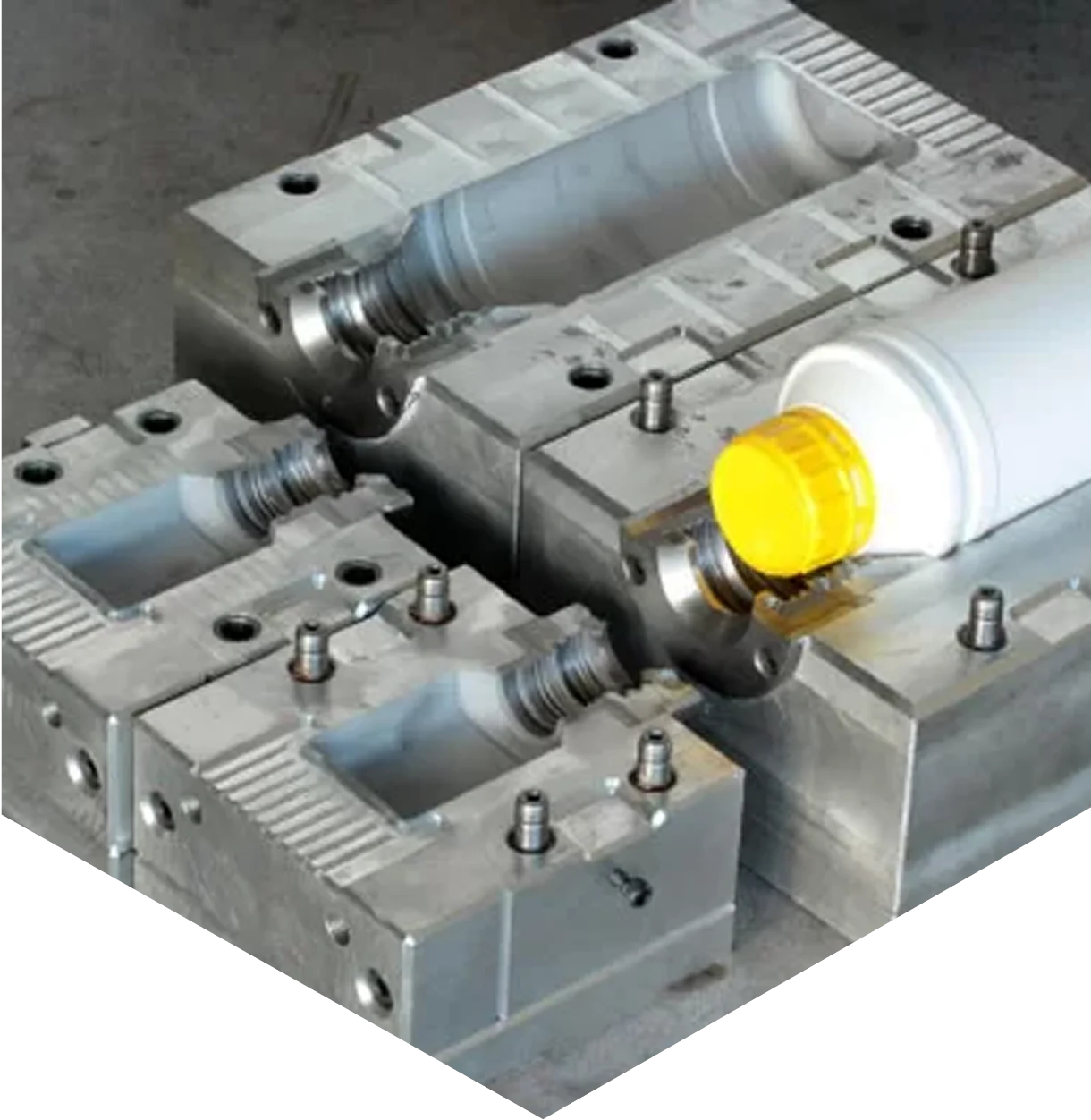
What is Injection Mold Tooling?

Lorem ipsum dolor sit amet consectetur. Risus diam dictum faucibus elit tellus duis vestibulum leo. Nec mauris sagittis viverra aliquam odio varius integer diam eu. Cursus semper quis velit montes sit magna nunc nunc. Id aliquam dui suspendisse tellus adipiscing pulvinar et.Nec mauris sagittis viverra aliquam odio varius integer diam eu. Cursus semper quis velit montes sit magna nunc nunc. Id aliquam dui suspendisse tellus adipiscing pulvinar et.

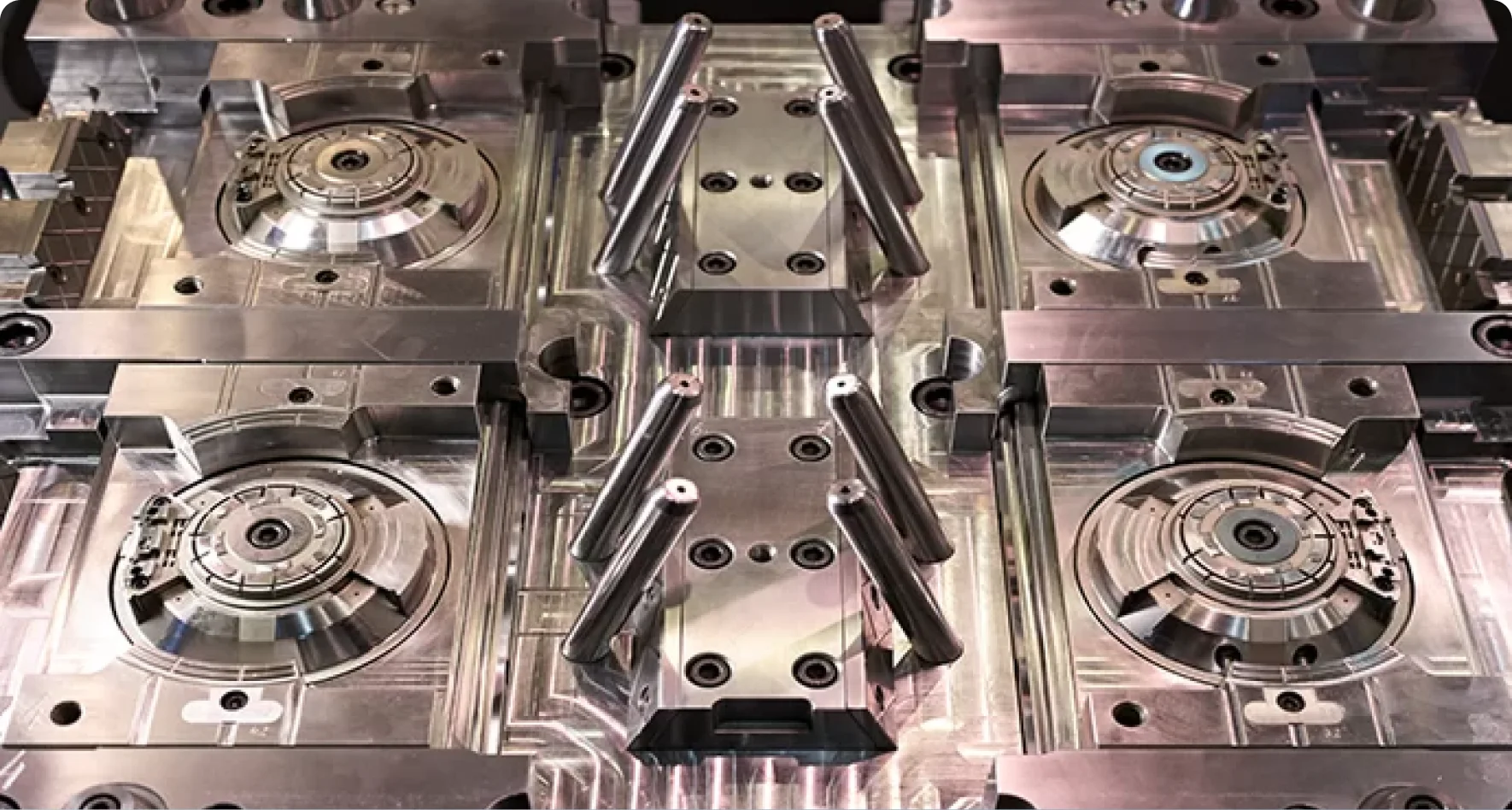
Our Injection Molding  Services

Lorem ipsum dolor sit amet consectetur. Risus diam dictum faucibus elit tellus duis vestibulum leo. Nec mauris sagittis viverra aliquam odio varius integer diam eu. Cursus semper quis velit montes sit magna nunc nunc. Id aliquam dui suspendisse tellus adipiscing pulvinar et.

Tool Molding Materials

We can generate instant machining quotes for 50+ metals and plaWe can generate instant machining quotes for 50+ metals and plastics.We can generate instant machining quotes for 50+ metals and plastics.We can generate instant machining quotes for 50+ metals and plastics.We can generate instant machining quotes for 50+ metals and plastics.We can generate instant machining quotes for 50+ metals and plastics.stics.

Plastics

Aluminum

Aluminum alloys have good strength-to-weight ratio, high thermal and electrical conductivity, low density and natural corrosion resistance. Can be anodized.

Alloys

Aluminum 7075-T7351 | 3.4365 | 76528 | AlZn5.5MgCu Aluminum 7075-T7351 | 3.4365 | 76528 | AlZn5.5MgCu Aluminum 6061-T651 | 3.3211 | 65028 | AlMg1SiCu Aluminum 7075-T651 | 3.4365 | 76528 | AlZn5.5MgCu Aluminum 6082-T651 | 3.2315 | 64430 | AlSi1MgMn

Aluminum

Aluminum alloys have good strength-to-weight ratio, high thermal and electrical conductivity, low density and natural corrosion resistance. Can be anodized.

Alloys

Aluminum 7075-T7351 | 3.4365 | 76528 | AlZn5.5MgCu Aluminum 7075-T7351 | 3.4365 | 76528 | AlZn5.5MgCu Aluminum 6061-T651 | 3.3211 | 65028 | AlMg1SiCu Aluminum 7075-T651 | 3.4365 | 76528 | AlZn5.5MgCu Aluminum 6082-T651 | 3.2315 | 64430 | AlSi1MgMn

Aluminum

Aluminum alloys have good strength-to-weight ratio, high thermal and electrical conductivity, low density and natural corrosion resistance. Can be anodized.

Alloys

Aluminum 7075-T7351 | 3.4365 | 76528 | AlZn5.5MgCu Aluminum 7075-T7351 | 3.4365 | 76528 | AlZn5.5MgCu Aluminum 6061-T651 | 3.3211 | 65028 | AlMg1SiCu Aluminum 7075-T651 | 3.4365 | 76528 | AlZn5.5MgCu Aluminum 6082-T651 | 3.2315 | 64430 | AlSi1MgMn

Aluminum

Aluminum alloys have good strength-to-weight ratio, high thermal and electrical conductivity, low density and natural corrosion resistance. Can be anodized.

Alloys

Aluminum 7075-T7351 | 3.4365 | 76528 | AlZn5.5MgCu Aluminum 7075-T7351 | 3.4365 | 76528 | AlZn5.5MgCu Aluminum 6061-T651 | 3.3211 | 65028 | AlMg1SiCu Aluminum 7075-T651 | 3.4365 | 76528 | AlZn5.5MgCu Aluminum 6082-T651 | 3.2315 | 64430 | AlSi1MgMn

Aluminum

Aluminum alloys have good strength-to-weight ratio, high thermal and electrical conductivity, low density and natural corrosion resistance. Can be anodized.

Alloys

Aluminum 7075-T7351 | 3.4365 | 76528 | AlZn5.5MgCu Aluminum 7075-T7351 | 3.4365 | 76528 | AlZn5.5MgCu Aluminum 6061-T651 | 3.3211 | 65028 | AlMg1SiCu Aluminum 7075-T651 | 3.4365 | 76528 | AlZn5.5MgCu Aluminum 6082-T651 | 3.2315 | 64430 | AlSi1MgMn

Aluminum

Aluminum alloys have good strength-to-weight ratio, high thermal and electrical conductivity, low density and natural corrosion resistance. Can be anodized.

Alloys

Aluminum 7075-T7351 | 3.4365 | 76528 | AlZn5.5MgCu Aluminum 7075-T7351 | 3.4365 | 76528 | AlZn5.5MgCu Aluminum 6061-T651 | 3.3211 | 65028 | AlMg1SiCu Aluminum 7075-T651 | 3.4365 | 76528 | AlZn5.5MgCu Aluminum 6082-T651 | 3.2315 | 64430 | AlSi1MgMn

Aluminum

Aluminum alloys have good strength-to-weight ratio, high thermal and electrical conductivity, low density and natural corrosion resistance. Can be anodized.

Alloys

Aluminum 7075-T7351 | 3.4365 | 76528 | AlZn5.5MgCu Aluminum 7075-T7351 | 3.4365 | 76528 | AlZn5.5MgCu Aluminum 6061-T651 | 3.3211 | 65028 | AlMg1SiCu Aluminum 7075-T651 | 3.4365 | 76528 | AlZn5.5MgCu Aluminum 6082-T651 | 3.2315 | 64430 | AlSi1MgMn

Aluminum

Aluminum alloys have good strength-to-weight ratio, high thermal and electrical conductivity, low density and natural corrosion resistance. Can be anodized.

Alloys

Aluminum 7075-T7351 | 3.4365 | 76528 | AlZn5.5MgCu Aluminum 7075-T7351 | 3.4365 | 76528 | AlZn5.5MgCu Aluminum 6061-T651 | 3.3211 | 65028 | AlMg1SiCu Aluminum 7075-T651 | 3.4365 | 76528 | AlZn5.5MgCu Aluminum 6082-T651 | 3.2315 | 64430 | AlSi1MgMn

Aluminum

Aluminum alloys have good strength-to-weight ratio, high thermal and electrical conductivity, low density and natural corrosion resistance. Can be anodized.

Alloys

Aluminum 7075-T7351 | 3.4365 | 76528 | AlZn5.5MgCu Aluminum 7075-T7351 | 3.4365 | 76528 | AlZn5.5MgCu Aluminum 6061-T651 | 3.3211 | 65028 | AlMg1SiCu Aluminum 7075-T651 | 3.4365 | 76528 | AlZn5.5MgCu Aluminum 6082-T651 | 3.2315 | 64430 | AlSi1MgMn

Aluminum

Aluminum alloys have good strength-to-weight ratio, high thermal and electrical conductivity, low density and natural corrosion resistance. Can be anodized.

Alloys

Aluminum 7075-T7351 | 3.4365 | 76528 | AlZn5.5MgCu Aluminum 7075-T7351 | 3.4365 | 76528 | AlZn5.5MgCu Aluminum 6061-T651 | 3.3211 | 65028 | AlMg1SiCu Aluminum 7075-T651 | 3.4365 | 76528 | AlZn5.5MgCu Aluminum 6082-T651 | 3.2315 | 64430 | AlSi1MgMn

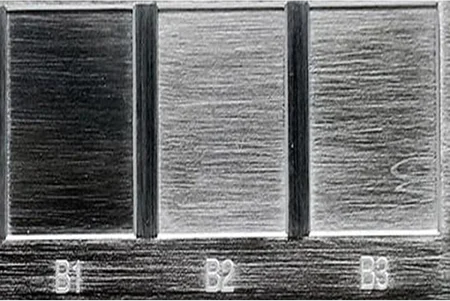
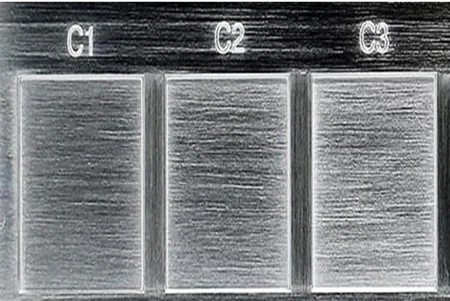
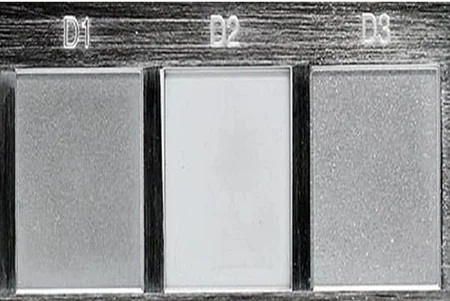
Tool Molding Surface Finishes

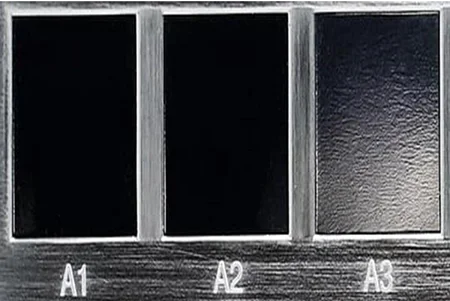
Aria offers a variety of injection molding surface finishes to meet the needs of our customers.

Picture

Grade

Finishes

Descriptions

A1, A2, A3

Glossy

The surface is completely smooth, allowing no blemishes or scratches, similar to the reflection effect of a mirror.

B1, B2, B3

Semi-glossy

The surface is smooth and without obvious blemishes, but minor scratches and spots are allowed.

C1, C2, C3

Matt

The surface without luster and slightly rough, but does not affect the function.

D1, D2, D3

Textured

For some special requirements, such as anti- skid, wear, etc.

Tool Molding Capabilities

Our injection molding services cover every stage, from design to delivery. We produce prototypes and large-scale parts with tight tolerances, certified quality, and quick lead times for global customers.

Standards

Description

Maximum Part Size

1200×1000×500 mm

Manimum Part Size

5×5×5 mm

Part to Part Repeatability

+/- 0.1 mm

Mold Cavities

Single-cavity molds, multi-cavity molds, family molds

Available Mold Types

Steel and aluminum molds. Production levels below 1000, 5000, 30000, and over 100000 uses

Mold Cavity Tolerances

+/- 0.02 mm

Secondary Operations

Mold texturing, pad printing, laser engraving, threaded inserts, and basic assembly

Undercuts

Y-type, L-type undercuts

Wall Thickness

0.5 mm to 5 mm

Draft

0.5° to 2°

Ribs/Gussets

0.5 mm to 3 mm thick

Bosses

Diameter 3 mm to 10 mm

Lead Time

Most orders can be completed within 15 working days

Manufacture Parts

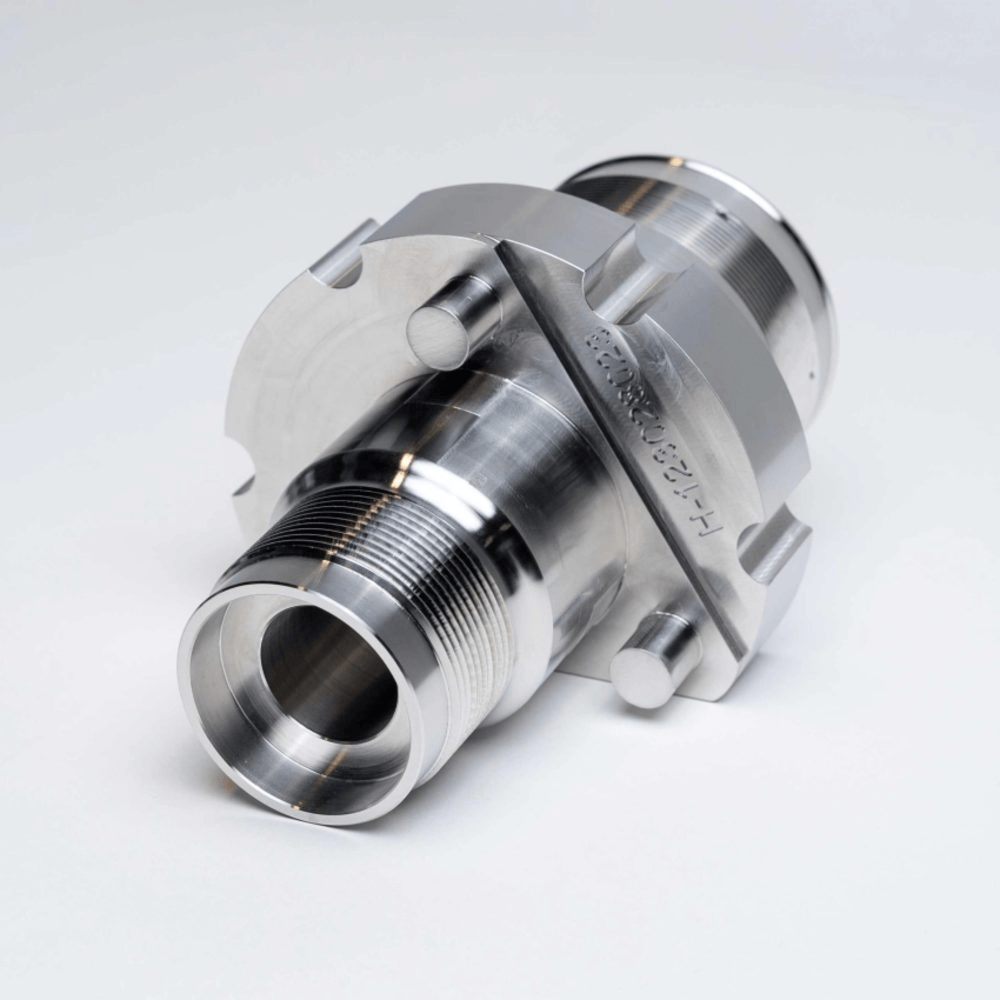
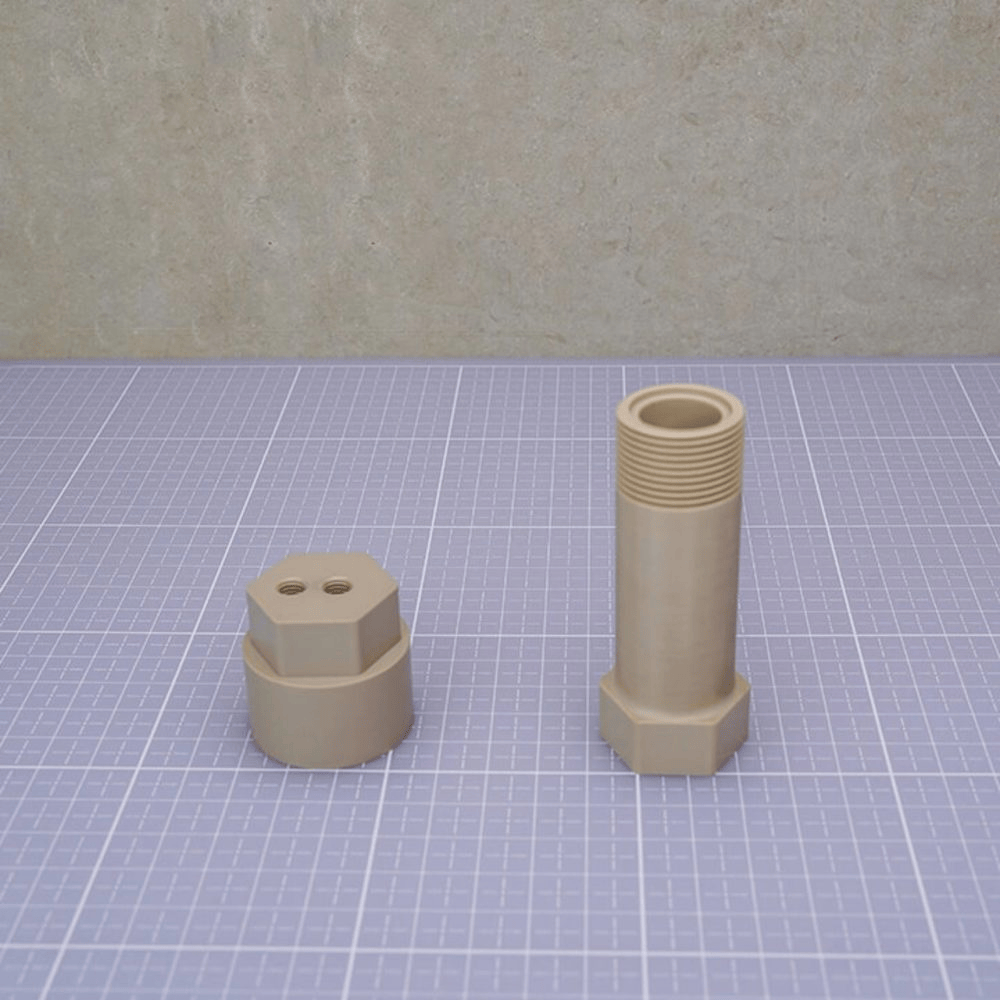
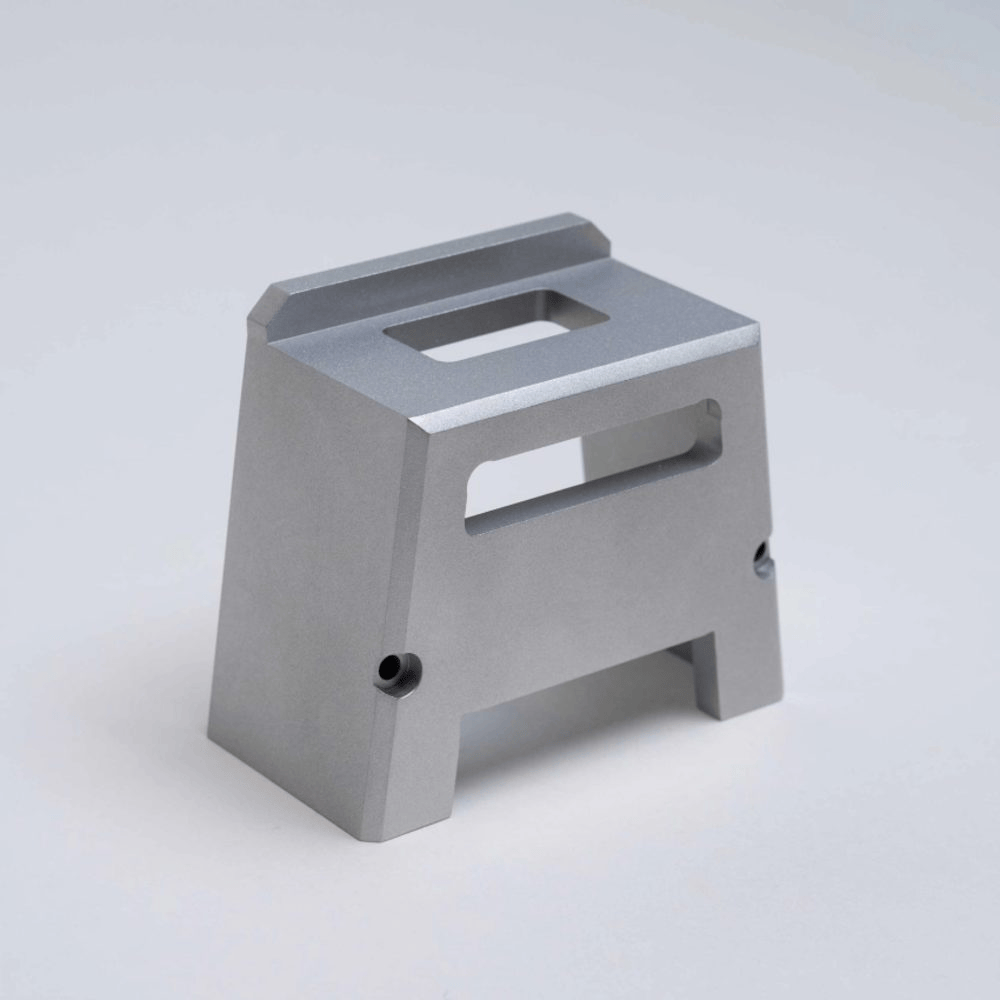
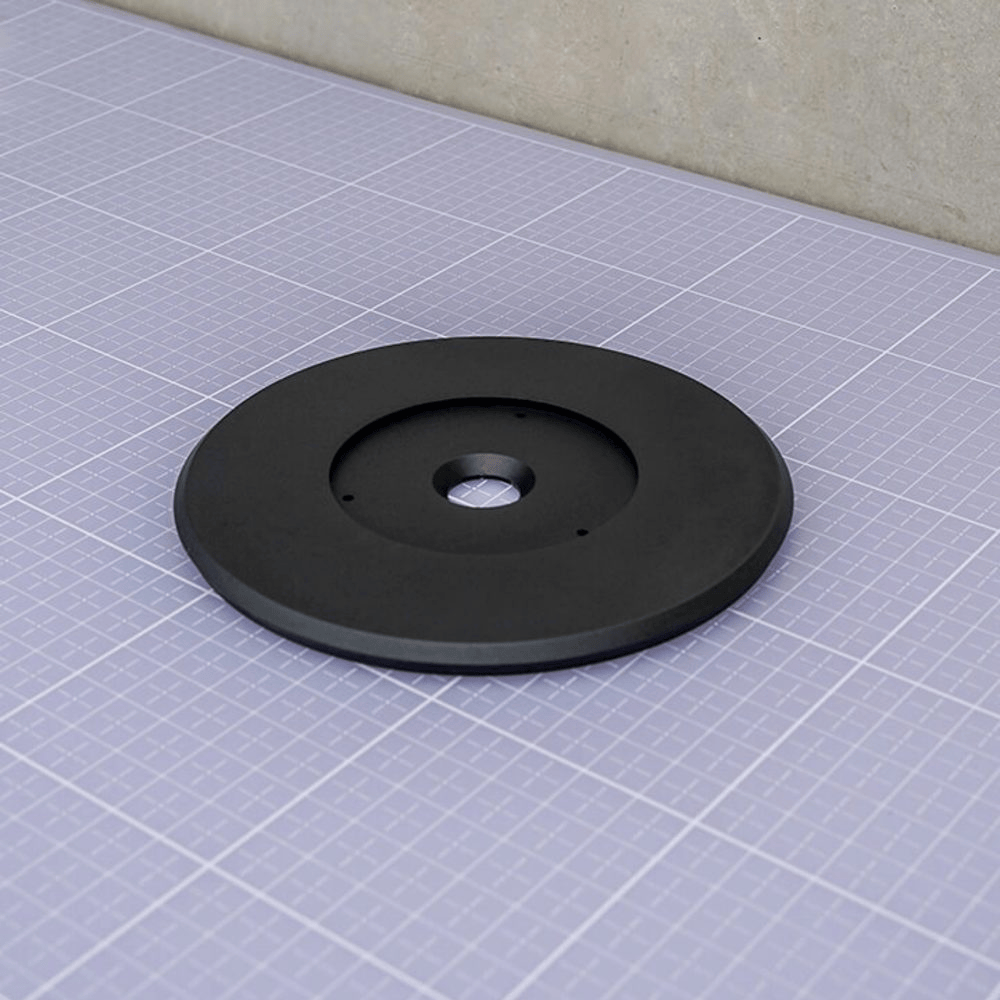
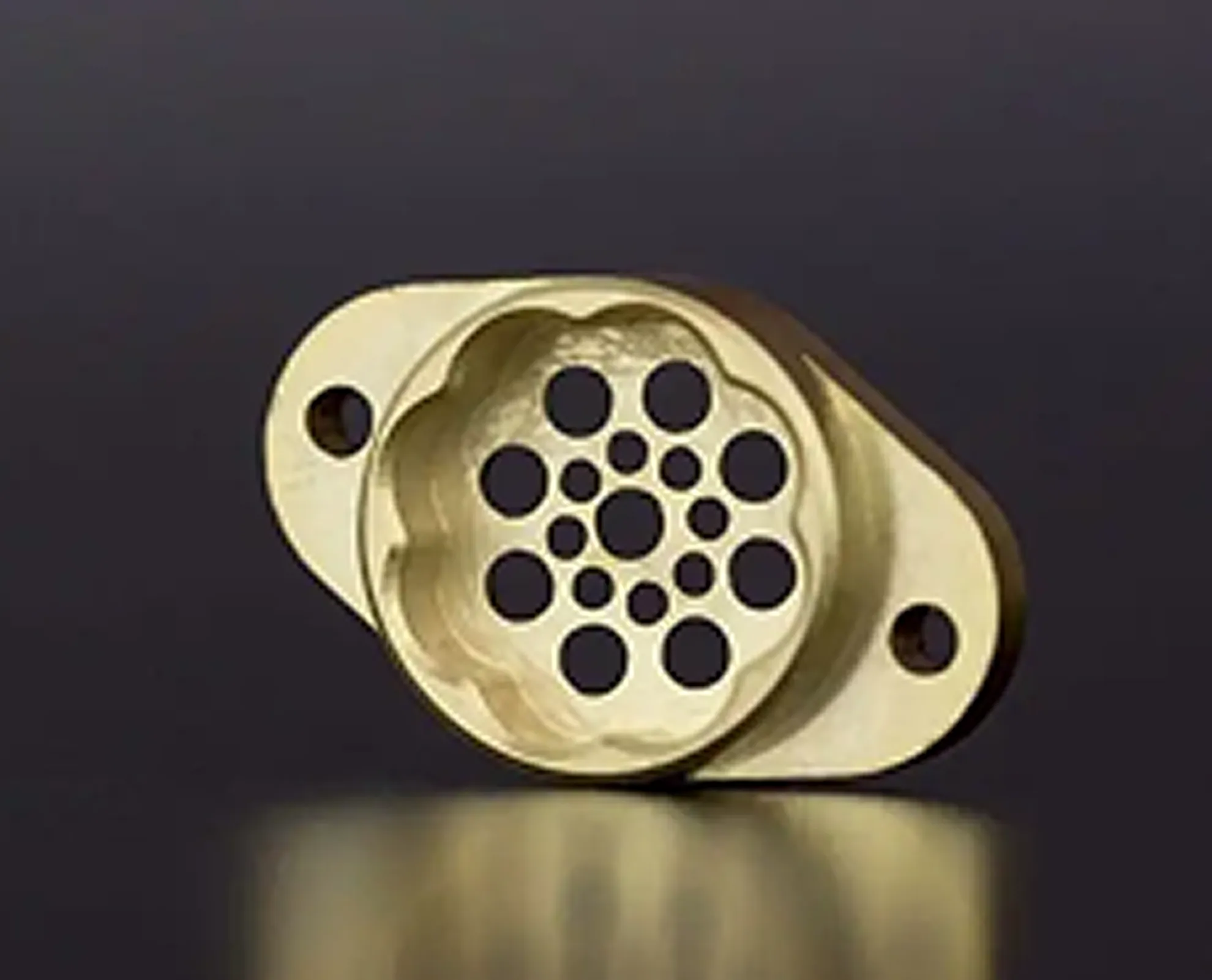
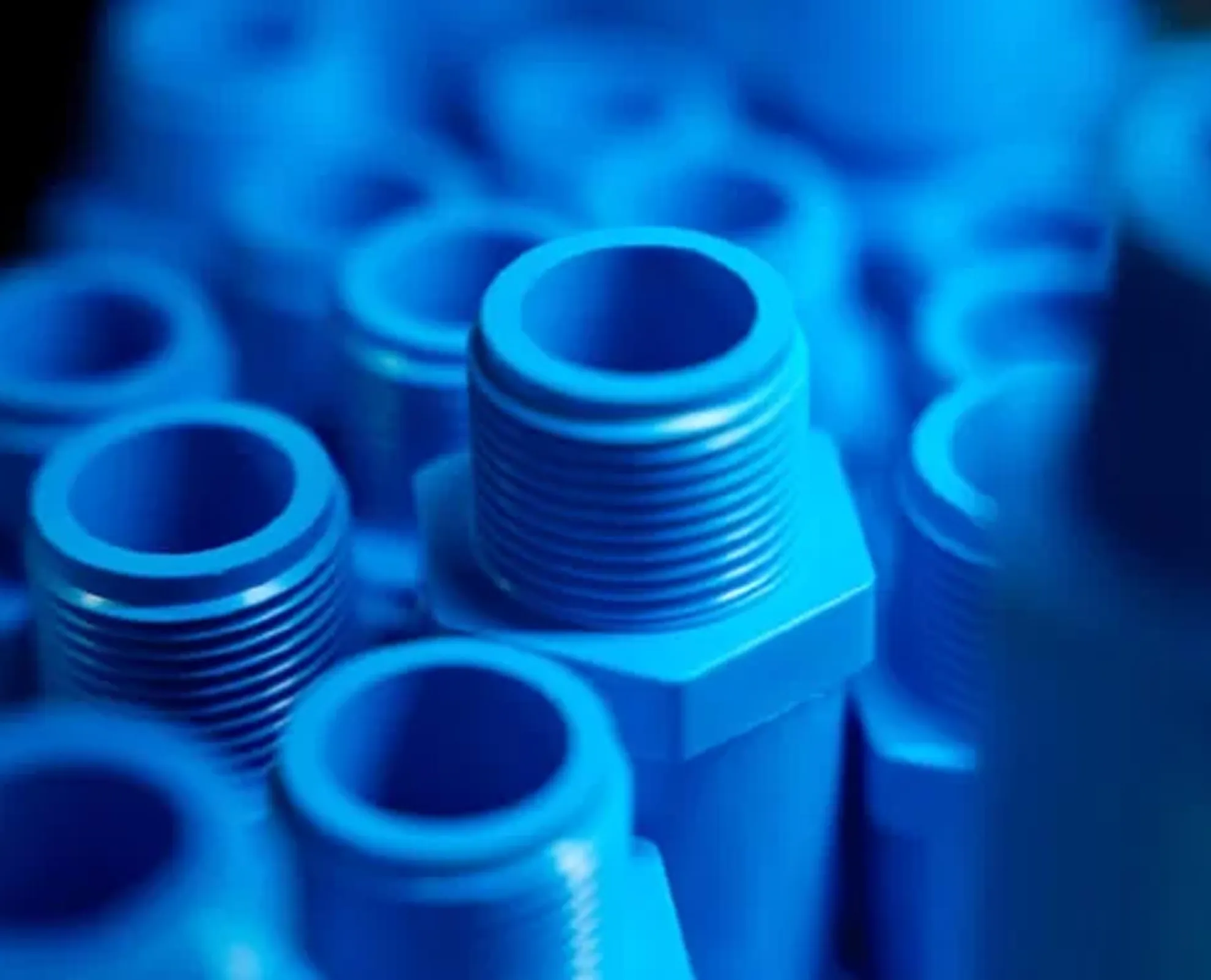
Here’s a small selection of the CNC machined prototypes and end-use parts we’ve produced for our customers.

Prototyping

Rapid Tooling

Lorem ipsum dolor sit amet consectetur. Risus diam dictum faucibus elit tellus duis vestibulum leo. Nec mauris sagittis viverra aliquam odio varius integer diam eu. Cursus semper quis velit montes sit magna nunc nunc. Id aliquam dui suspendisse tellus adipiscing pulvinar et.Nec mauris sagittis viverra aliquam odio varius integer diam eu. Cursus semper quis velit montes sit magna nunc nunc. Id aliquam dui suspendisse tellus adipiscing pulvinar et.

Production

Production Tooling

Lorem ipsum dolor sit amet consectetur. Risus diam dictum faucibus elit tellus duis vestibulum leo. Nec mauris sagittis viverra aliquam odio varius integer diam eu. Cursus semper quis velit montes sit magna nunc nunc. Id aliquam dui suspendisse tellus adipiscing pulvinar et.Nec mauris sagittis viverra aliquam odio varius integer diam eu. Cursus semper quis velit montes sit magna nunc nunc. Id aliquam dui suspendisse tellus adipiscing pulvinar et.

Quality Inspection Process

Thorough evaluation of every raw material guarantees authenticity and a product qualification rate above 99%.

At OD Precision, quality isn’t just a step, it’s the backbone of our production. Every phase is engineered with accuracy, discipline, and uncompromising precision.

Incoming Material Check: Validate material certifications (composition, hardness). Examine raw dimensions and surface integrity.

In-Process Inspection: Track critical dimensions with calibrated tools (micrometers, CMM). Confirm tool condition and machine accuracy.

First-Article Inspection (FAI): Perform complete dimensional and geometric tolerance checks per drawing. Log results in a formal FAI report.

Final Inspection: Conduct 100% visual reviews for surface issues (burrs, scratches). Sample-test features (threads, bores) with gauges or CMM.

Documentation & Release: Attach full QC records and certifications. Only approve parts aligned with ISO 9001, ISO 13485, and IATF 16949 compliance.

Industries Solution

We’ve manufactured millions of parts for all sorts of applications, but we’re especially knowledgeable in these areas.

Pros of Molding

Trusted by Hundreds of Leaders in the World's Most Demanding Industries

Our comprehensive design and manufacturing services are
trusted by the world’s leaders across several industries
because we’ve built a reputation for quality, precision, and
efficiency.
Get in touch with us today to see why we’ve earned their
repeat business time and time again.

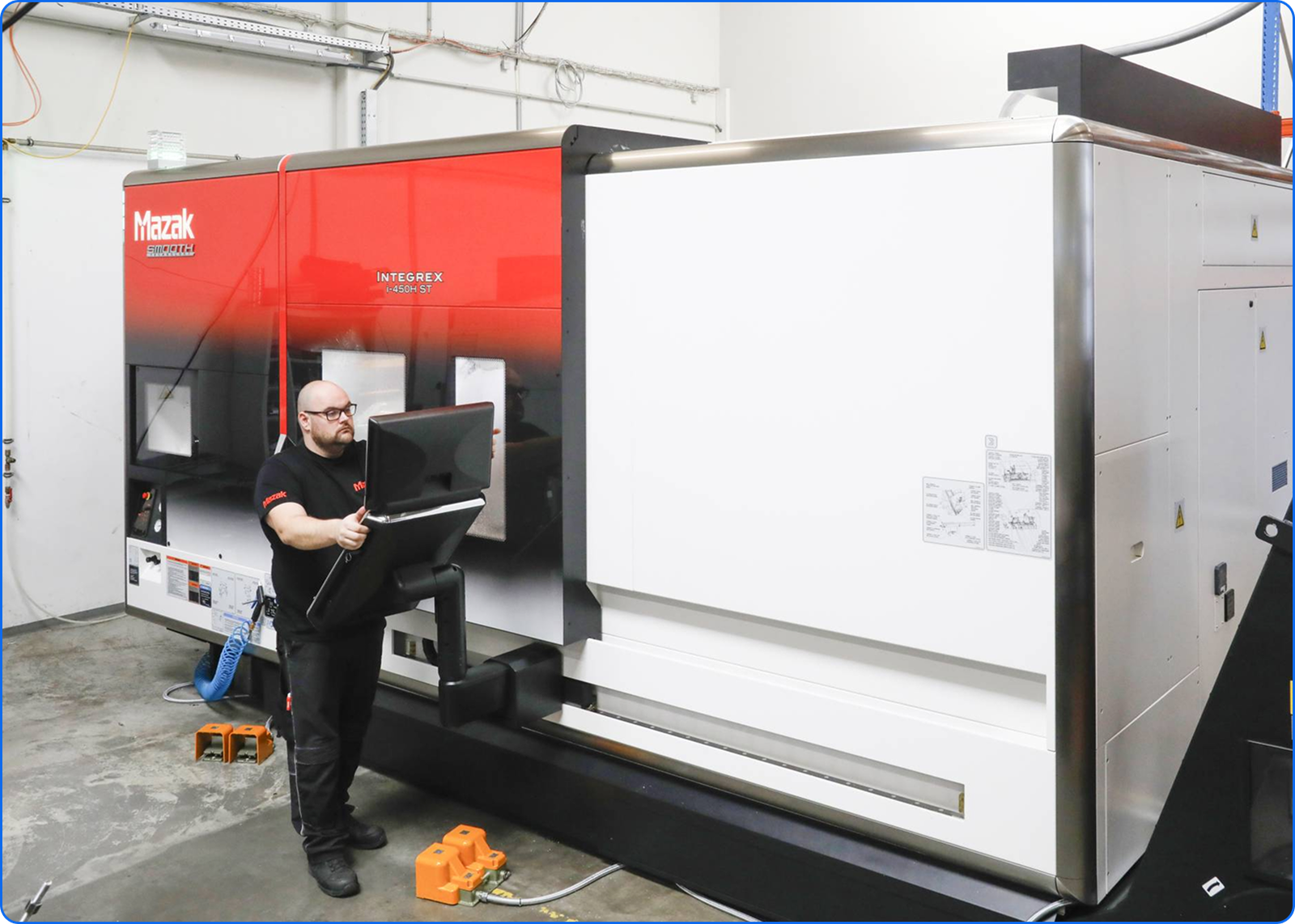
Manufacture Through Latest Technology

01. 5 axis

Lorem ipsum dolor sit amet consectetur. Scelerisque sed viverra eget elit adipiscing. Dictum volutpat eu nec aliquam. Sed tortor vulputate et arcu ac ipsum sagittis auctor.

Lorem ipsum dolor sit amet consectetur. Scelerisque sed viverra eget elit adipiscing. Dictum volutpat eu nec aliquam. Sed tortor vulputate et arcu ac ipsum sagittis auctor.

Lorem ipsum dolor sit amet consectetur. Scelerisque sed viverra eget elit adipiscing. Dictum volutpat eu nec aliquam. Sed tortor vulputate et arcu ac ipsum sagittis auctor.

Frequently Asked Questions

Explore our frequently asked questions to understand
more about CNC machining services and how we can
help you achieve your project goals.

Frequently Asked Questions

CNC Machining

  • What are the advantages and disadvantages of CNC machining?

    CNC machining brings powerful benefits but also has certain limitations depending on project size and requirements. Here’s a detailed look:

    CNC machining is highly valued for its precision and repeatability. It consistently produces parts with tight tolerances, which is crucial for industries like aerospace, automotive, and medical where accuracy cannot be compromised. Automation minimizes human error, leading to higher quality output and more reliable production cycles. Efficiency is another advantage, CNC machines can operate continuously, producing parts at faster speeds compared to manual processes. The technology is also flexible, capable of machining metals, plastics, and composites, making it suitable for a wide range of applications. Software integration allows for quick design modifications and rapid prototyping, helping businesses move from idea to product faster. Finally, while setup costs can be high, CNC machining becomes cost-effective for medium and large production runs because the per-unit cost decreases significantly at scale.

    Despite its benefits, CNC machining has challenges. The initial investment in machines, software, and maintenance can be costly, especially for smaller businesses. Skilled operators and programmers are required to run the systems effectively, which may add to training or labor expenses. For very small production runs, CNC machining may not be cost-efficient due to the programming and setup time involved. Additionally, CNC is a subtractive process, which means more material waste compared to additive methods like 3D printing. Extremely hard materials can also increase tool wear, leading to higher replacement and maintenance costs. While these limitations exist, they are often outweighed by the quality, speed, and scalability that CNC machining delivers.

  • What’s the difference between 3D printing and CNC machining?

    Though both are essential modern manufacturing methods, CNC machining and 3D printing differ significantly in how they create parts, their applications, and cost efficiency.

    3D printing is an additive process where parts are built layer by layer from materials such as plastics, resins, or metals. One of its biggest strengths is material efficiency, as it only uses what is needed to form the part. This reduces waste and makes it attractive for design iterations and prototypes. For highly complex geometries or lightweight lattice structures, 3D printing can achieve shapes that would be difficult or impossible with traditional machining. It is also well-suited for small batches and custom parts, since setup times are minimal. However, while fast and flexible, 3D printing often struggles to achieve the same surface finishes, strength, and tight tolerances as CNC machining.

    CNC machining is a subtractive process, shaping parts by cutting away material from a solid block. It excels at delivering tight tolerances, excellent surface finishes, and parts made from strong, durable materials like aerospace-grade metals and engineering plastics. This makes CNC ideal for production-grade parts where performance and reliability matter. It is also much faster and more economical for medium to high-volume production runs, as the cost per unit decreases once setup is complete. The tradeoff is higher material waste compared to additive processes. In practice, CNC machining is the go-to for industries where strength, accuracy, and repeatability are critical, while 3D printing is often chosen for rapid prototyping and highly complex low-volume designs.

  • Who is the father of CNC machining?

    John T. Parsons is widely regarded as the father of CNC machining. In the late 1940s, he introduced numerical control concepts while working on helicopter rotor blade production. Collaborating with engineer Frank L. Stulen, he pioneered the use of punched tape to guide machining operations, creating a revolutionary method for precise, automated part production. This breakthrough became the foundation of CNC technology, leading to the first functional CNC machines in the 1950s. Their innovation transformed global manufacturing, enabling the precision, consistency, and efficiency we rely on today.

  • What is the G and M code in CNC machines?

    G and M codes are the language of CNC machines. G-codes control the movement of the cutting tool, for example, specifying linear or circular paths, tool positions, and interpolation functions. M-codes, on the other hand, govern auxiliary operations such as spindle start/stop, coolant flow, or program pauses. Together, G and M codes form a complete instruction set, guiding the machine tool step by step. Mastery of these codes allows machinists and programmers to control every aspect of the machining process, ensuring accuracy, efficiency, and repeatability in producing complex parts.

  • What tolerances can CNC machining achieve?

    CNC machining is renowned for its ability to deliver extremely tight tolerances. Standard machining typically maintains tolerances around ±0.01 inches (±0.127 mm), which is sufficient for most applications. However, with advanced equipment and optimal conditions, tolerances can reach as tight as ±0.0005 inches (±0.0127 mm). Achievable precision depends on the material, geometry, and size of the part, as well as the type of machine used. This capability is why CNC machining is the go-to choice for industries like aerospace, automotive, and medical devices where accuracy cannot be compromised.

  • What is a machining center and how does it work?

    A machining center is an advanced CNC system designed to handle multiple operations such as milling, drilling, boring, and tapping in a single setup. This integration reduces the need for moving parts between machines, which improves both efficiency and accuracy. Machining centers are equipped with automatic tool changers that can hold and switch between multiple tools as required. They can work on complex parts from different angles and perform sequences of tasks without interruption. This makes them ideal for production environments where speed, accuracy, and flexibility are essential.

  • Can you provide insight into your CNC machining capacity?

    OD Precision has built strong capacity to meet both small and large-scale manufacturing demands. With an advanced fleet of CNC machines, our team produces thousands of parts each month — from simple prototypes to highly complex production components. A dedicated team of skilled engineers and machinists ensures accuracy at every stage. This infrastructure allows us to scale projects efficiently, deliver on tight deadlines, and consistently meet customer expectations. Whether you need one prototype or a full production run, OD Precision has the resources and expertise to deliver.

  • How long does it take to receive a part once an order is placed?

    Lead time depends on the complexity of your design, the chosen material, and our production schedule. CNC machining is designed for speed, and in many cases, simple parts can be delivered within just a few days. For urgent projects, fast-track delivery options may be available. More complex parts requiring advanced machining, finishing, or inspection will naturally require longer lead times. To get the most accurate estimate, we recommend requesting a project quote. This way, you’ll receive a timeline based on your exact requirements, ensuring your parts arrive when you need them.

  • Is there a minimum order quantity (MOQ) for CNC machining?

    OD Precision does not impose strict minimum order quantities. We recognize that customers may need a single prototype just as often as they need thousands of units. That’s why we offer flexibility, one part or large production runs, all supported with the same quality standards and technical expertise. This approach ensures that businesses of every size can benefit from high-precision CNC machining without worrying about order restrictions.

  • How much does CNC machining cost?

    The cost of CNC machining varies depending on design complexity, tolerances, materials, and required processes. Machining duration plays a major role: intricate parts with tight tolerances require longer machining times, which can increase costs. For example, if machining plus material expenses total $2 and setup costs are $200, then one part may cost $202. However, if you order 200 identical parts, the setup cost is distributed, making the per-unit cost only $3. This demonstrates why CNC machining is highly economical for larger production volumes. The best way to determine cost is to request a detailed quote that factors in your project’s unique requirements.

Where Power Meets Precision

Lorem ipsum dolor sit amet consectetur. Risus diam dictum faucibus elit tellus duis vestibulum leo. Nec mauris sagittis viverra aliquam odio varius integer diam eu. Cursus semper quis velit montes sit magna nunc nunc. Id aliquam dui suspendisse tellus adipiscing pulvinar et.Nec mauris sagittis viverra aliquam odio varius integer diam eu.

How to work with US?

Upload a CAD File

Send your CNC parts to our email to confirm the specifications

Get Quote with Analysis

Send your CNC parts to our email to confirm the specifications

Start Production

Send your CNC parts to our email to confirm the specifications

Parts are Shipped!

Send your CNC parts to our email to confirm the specifications

Start Custom Parts Manufacturing

Full-scale production manufacturing  

Get complete program management from our team of
experts to optimize cost, quantity, and quality control
of production orders for end-use parts. Find out about
manufacturing higher volumes at reduced part costs,
our commitment to quality and expanded capabilities
to support with scaling to production.  

End To End Solutions

Lorem ipsum dolor sit amet consectetur. Risus diam dictum faucibus elit tellus duis vestibulum leo. Nec mauris sagittis viverra aliquam odio varius integer diam eu. Cursus semper quis velit montes sit magna odio varius integer diam eu. Cursus semper

Lorem ipsum dolor sit amet consectetur. Risus diam dictum faucibus elit tellus duis vestibulum leo. Nec mauris sagittis viverra aliquam odio varius integer diam eu. Cursus semper quis velit montes sit magna odio varius integer diam eu. Cursus semper

Lorem ipsum dolor sit amet consectetur. Risus diam dictum faucibus elit tellus duis vestibulum leo. Nec mauris sagittis viverra aliquam odio varius integer diam eu. Cursus semper quis velit montes sit magna odio varius integer diam eu. Cursus semper

Our other manufacturing capabilities

Prototypes and production tooling
Laser cutting, bending, post- processing
FDM, SLA, SLS, MJF

Get In Touch With Us!​

Prompt response guaranteed within 12 hours​

  • 🔐 All uploads are secure and confidential