












Which Trends Will Shape Manufacturing in 2026? Read Our 2026 Manufacturing Outlook.

CNC Routing Services

Achieve exceptional precision and versatility with our CNC routing services. Designed for both prototypes and large-scale production, our advanced machines handle metals, plastics, and composites with tight tolerances. Every cut is clean, accurate, and aligned with your exact specifications. From custom components to full production runs, we deliver parts that perform flawlessly.

Get instant pricing, project lead times, and DFM feedback.

STEP | STP | SLDPRT | STL | DXF | IPT | X_T | X_B | 3DXML | CATPART | PRT | SAT | 3MF | JT files

 Our Instant Quoting Engine is covered by U.S. Pat. Nos. 11,086,292, 11,347,201, 11,693,388, 11,698,623, 12,099,341, and 12,189,361. Other
patents pending.

What is CNC Routing?

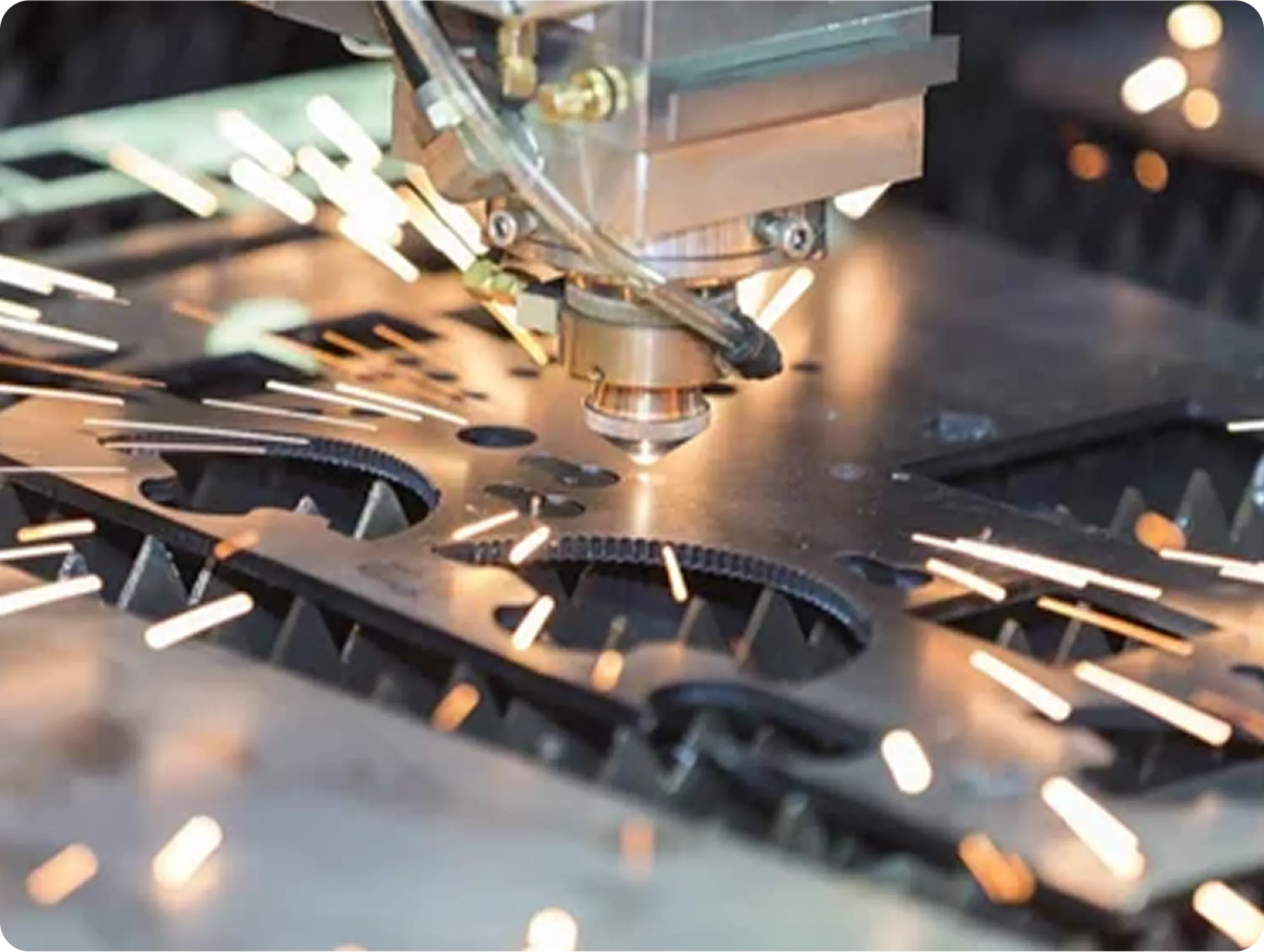
CNC routing is a high-precision manufacturing process that uses computer-controlled machines to cut, shape, and drill parts from a wide variety of materials, including metals, plastics, wood, and composites. By automating the process, CNC routing ensures exceptional accuracy, repeatability, and efficiency, making it ideal for both prototypes and large-scale production runs. This advanced technology is widely used to create complex geometries, intricate patterns, and high-performing components that traditional methods cannot achieve with the same level of detail. Whether you need custom panels, industrial parts, or specialized components, CNC routing delivers consistent quality, tight tolerances, and faster turnaround times, ensuring your projects meet exact specifications.

CNC routing services Materials

We can generate instant machining quotes for 50+ metals and plastics.

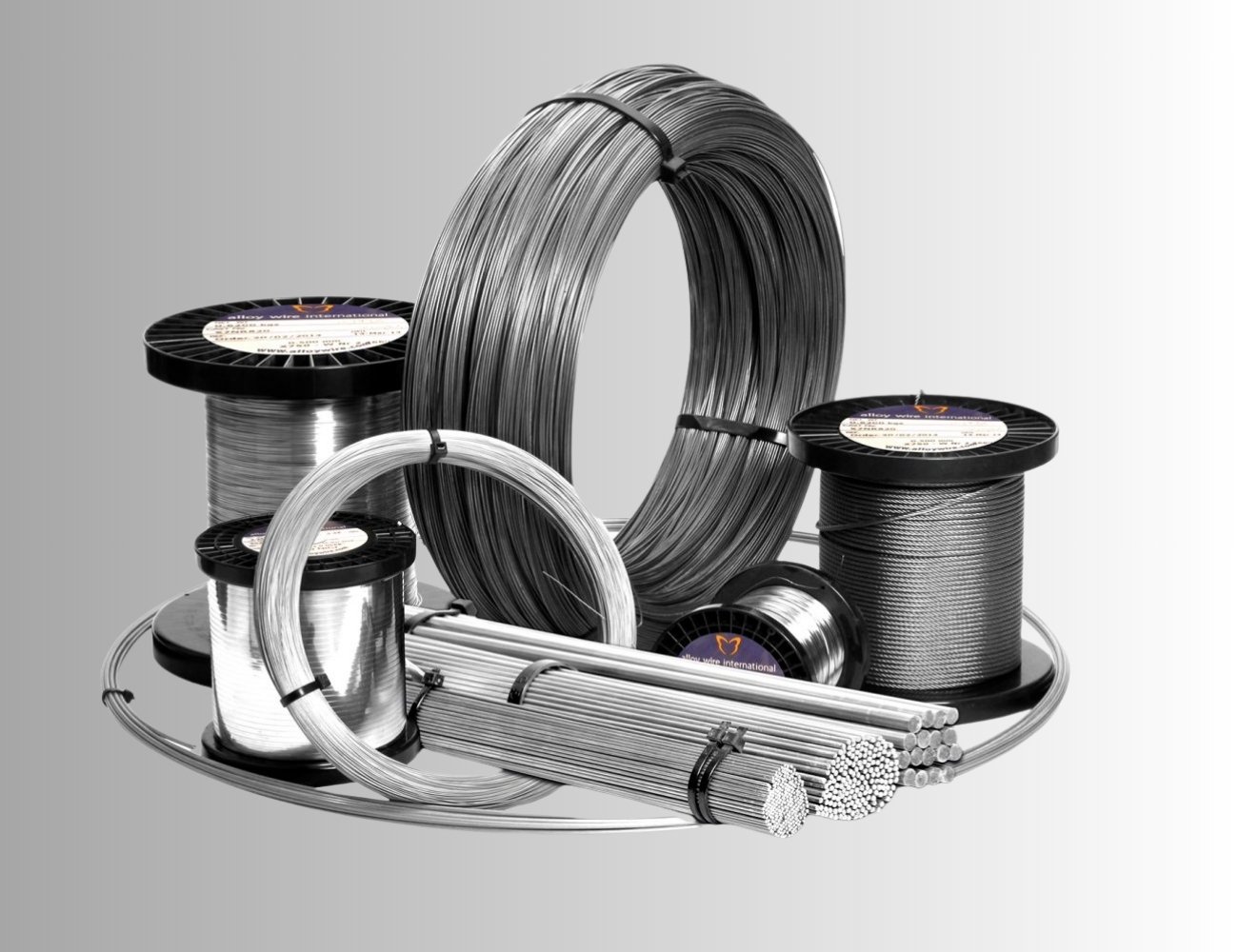
Metals

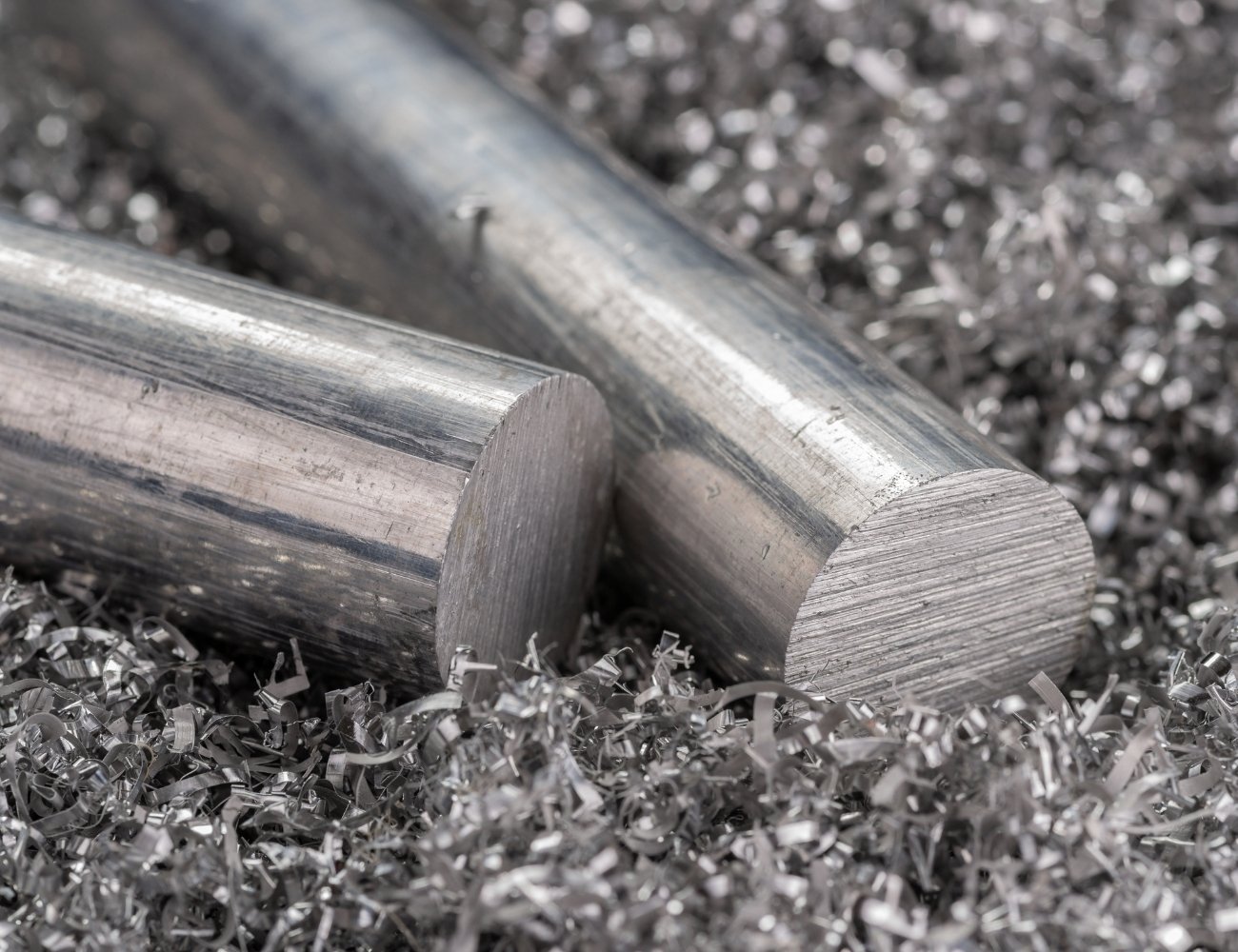
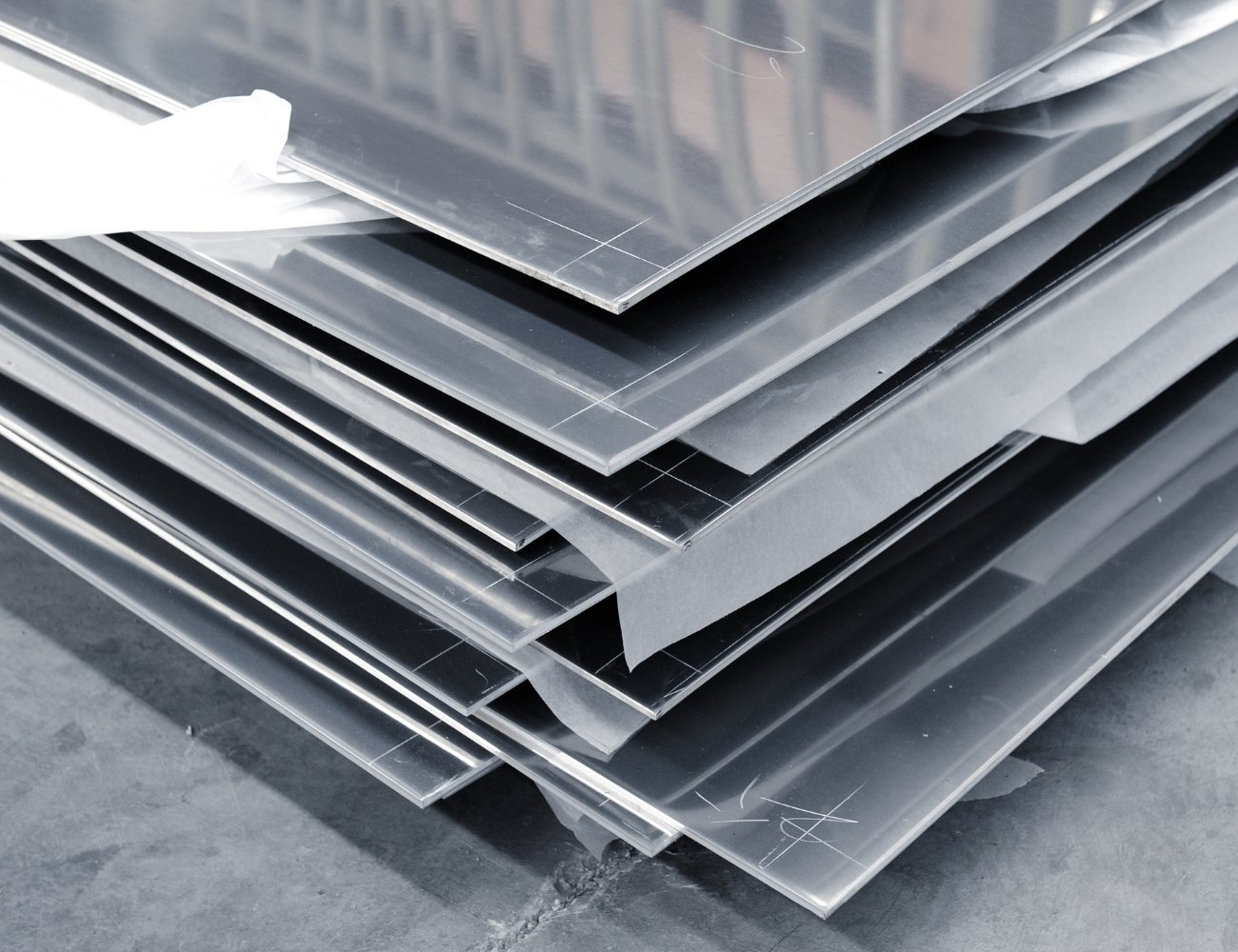
Aluminum

Aluminum alloys offer an excellent strength-to-weight ratio, high thermal and electrical conductivity, low density, and natural corrosion resistance. They are lightweight, versatile, and can be anodized for improved surface durability.

Alloys

Aluminum 7075-T7351 | 3.4365 | 76528 | AlZn5.5MgCu Aluminum 7075-T651 | 3.4365 | 76528 | AlZn5.5MgCu Aluminum 6061-T651 | 3.3211 | 65028 | AlMg1SiCu Aluminum 6082-T651 | 3.2315 | 64430 | AlSi1MgMn

Stainless Steel

Stainless steels provide high corrosion resistance, good mechanical strength, excellent toughness, and stability in demanding environments. Ideal for food-grade, medical, and structural applications.

Alloys

Stainless Steel 304 | 1.4301 | X5CrNi18-10 Stainless Steel 316 | 1.4401 | X5CrNiMo17-12-2 Stainless Steel 316L | 1.4404 | X2CrNiMo17-12-2 Stainless Steel 303 | 1.4305 | X10CrNiS18-9 Stainless Steel 17-4 PH | 1.4542 | X5CrNiCuNb16-4

Mild Steel

Mild steels offer excellent machinability, weldability, and cost-effectiveness. They provide good strength and ductility, making them suitable for general structural and mechanical applications.

Alloys

Mild Steel 1018 | 1.0301 | C15 Mild Steel 1020 | 1.0402 | C22 Mild Steel 1045 | 1.1191 | C45 Mild Steel A36 | – | Structural Carbon Steel Mild Steel S235JR | 1.0038 | Fe360B

Brass

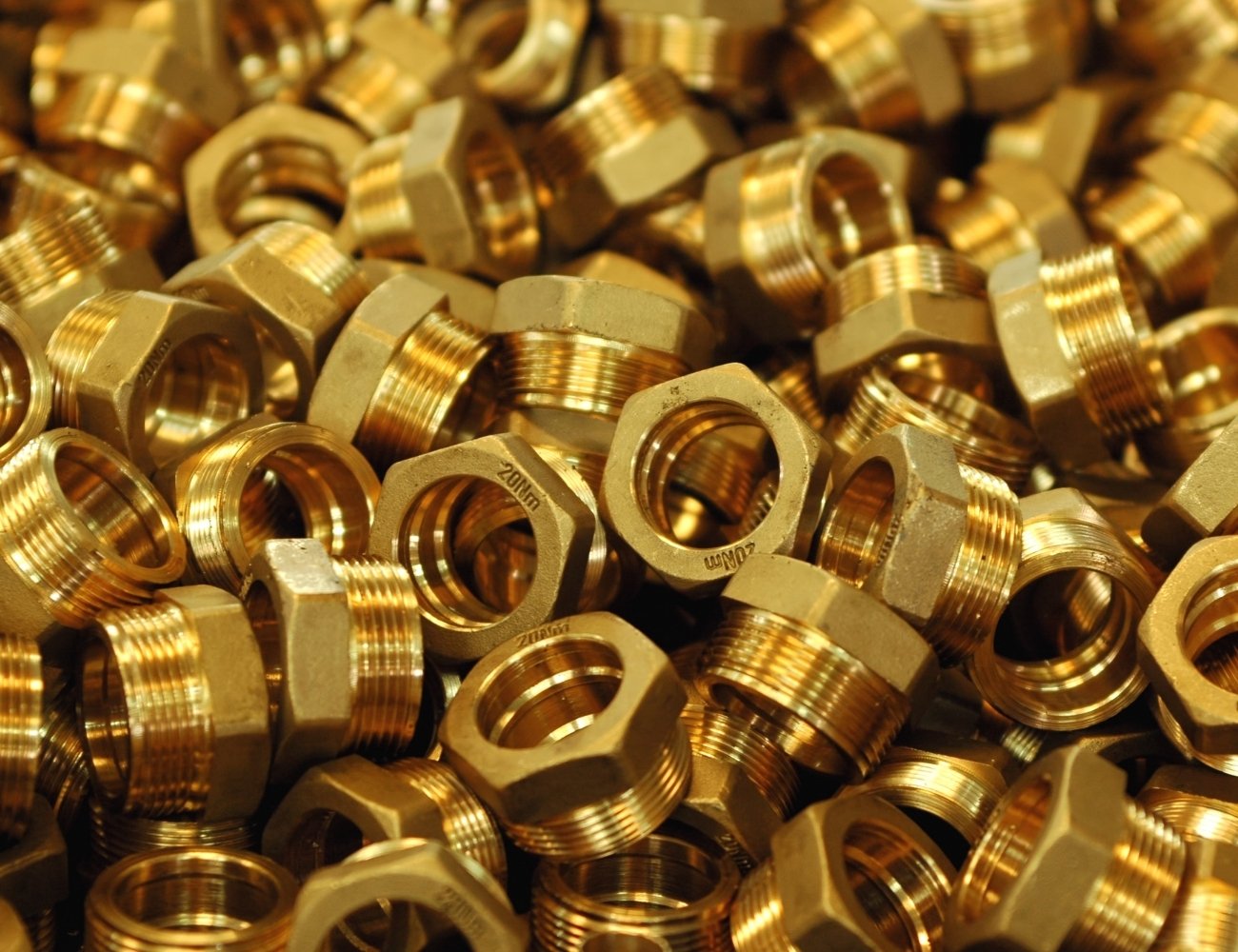
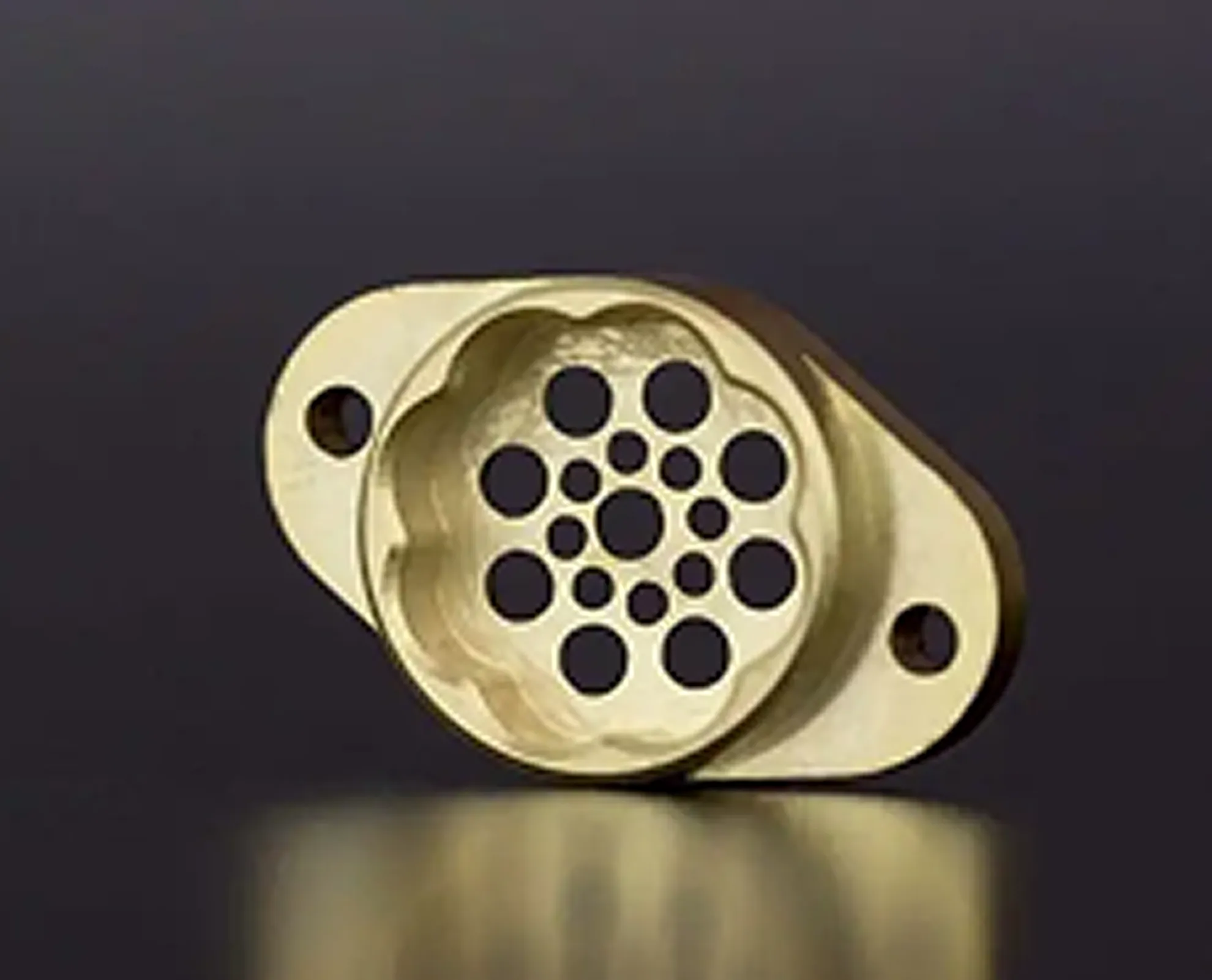
Brass alloys provide excellent machinability, natural corrosion resistance, good electrical conductivity, and a visually appealing gold-like finish. Widely used for fittings, valves, gears, and decorative components.

Alloys

Brass C3604 | C36000 | Free-Cutting Brass Brass C2600 | C26000 | Cartridge Brass Brass C2680 | C26800 | Yellow Brass Brass CZ121 | CW614N | Free-Cutting Brass Brass CZ108 | CW508L | Alpha Brass

Copper

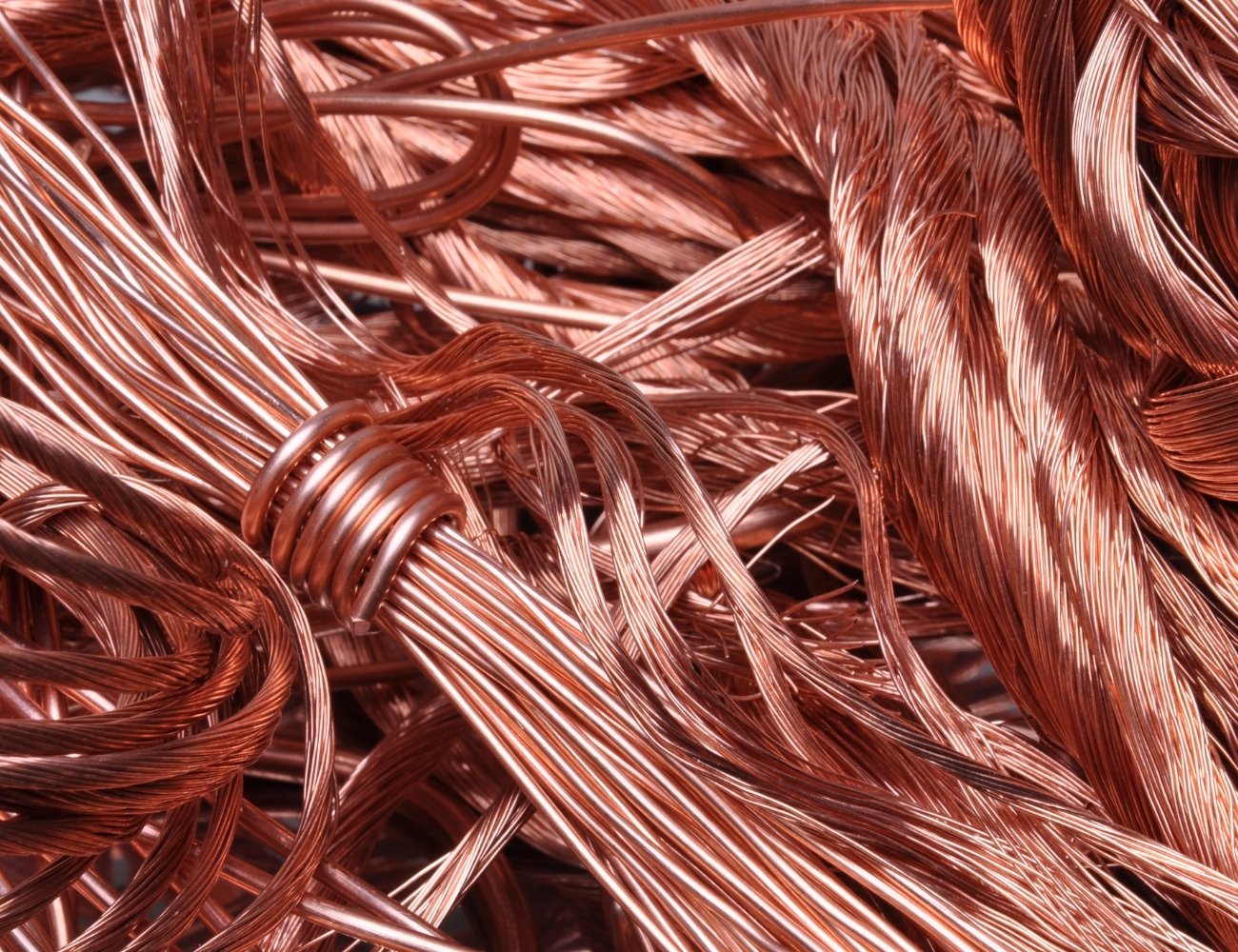
Copper offers unmatched electrical and thermal conductivity, excellent corrosion resistance, and stable mechanical performance. Ideal for electronics, heat exchangers, and electrical components.

Alloys

Copper C101 | CW004A | Oxygen-Free Copper Copper C102 | CW008A | OFHC Copper Copper C110 | CW009A | Electrolytic Tough Pitch Copper C103 | – | Oxygen-Free High Conductivity Beryllium Copper C17200 | 2.1247 | CuBe2

Alloy Steels

Alloy steels provide high strength, toughness, hardness, and wear resistance due to alloying elements such as chromium, molybdenum, and nickel. Excellent for high-stress and load-bearing applications.

Alloys

Alloy Steel 4140 | 1.7225 | 42CrMo4 Alloy Steel 4130 | 1.7218 | 25CrMo4 Alloy Steel 4340 | 1.6511 | 36CrNiMo4 Alloy Steel 5140 | 1.7035 | 41Cr4 Alloy Steel 8620 | 1.6523 | 21NiCrMo2

Tool Steel

Tool steels offer exceptional hardness, strength, wear resistance, and heat resistance perfect for cutting tools, dies, molds, and industrial tooling.

Alloys

Tool Steel D2 | 1.2379 | X153CrMoV12 Tool Steel O1 | 1.2510 | 100MnCrW4 Tool Steel A2 | 1.2363 | X100CrMoV5 Tool Steel H13 | 1.2344 | X40CrMoV5-1 Tool Steel SKD11 | – | Cold Work Die Steel

Titanium

Titanium alloys combine high strength, low density, excellent corrosion resistance, and biocompatibility ideal for aerospace, medical, and high-performance engineering.

Alloys

Titanium Grade 2 | 3.7035 | Pure Titanium Titanium Grade 5 | 3.7165 | Ti-6Al-4V Titanium TA1 | – | Commercially Pure Titanium TA2 | – | Commercially Pure Titanium TC4 | – | Ti-6Al-4V Equivalent

Inconel

Inconel is a nickel-chromium superalloy engineered to withstand extreme heat, corrosion, and mechanical stress. It is perfect for aerospace turbines, chemical processing, and high-temperature industrial uses.

Alloys

Inconel 718 | 2.4668 | NiCr19FeNbMo Inconel 625 | 2.4856 | NiCr22Mo9Nb Inconel 600 | 2.4816 | NiCr15Fe Inconel 601 | 2.4851 | NiCr23Fe Inconel X-750 | 2.4669 | NiCr15FeTiAl

Invar 36

Invar 36 alloys have good strength-to-weight ratio, high thermal and electrical conductivity, low density and natural corrosion resistance. Can be anodized.

Alloys

Aluminum 7075-T7351 | 3.4365 | 76528 | AlZn5.5MgCu Aluminum 7075-T7351 | 3.4365 | 76528 | AlZn5.5MgCu Aluminum 6061-T651 | 3.3211 | 65028 | AlMg1SiCu Aluminum 7075-T651 | 3.4365 | 76528 | AlZn5.5MgCu Aluminum 6082-T651 | 3.2315 | 64430 | AlSi1MgMn

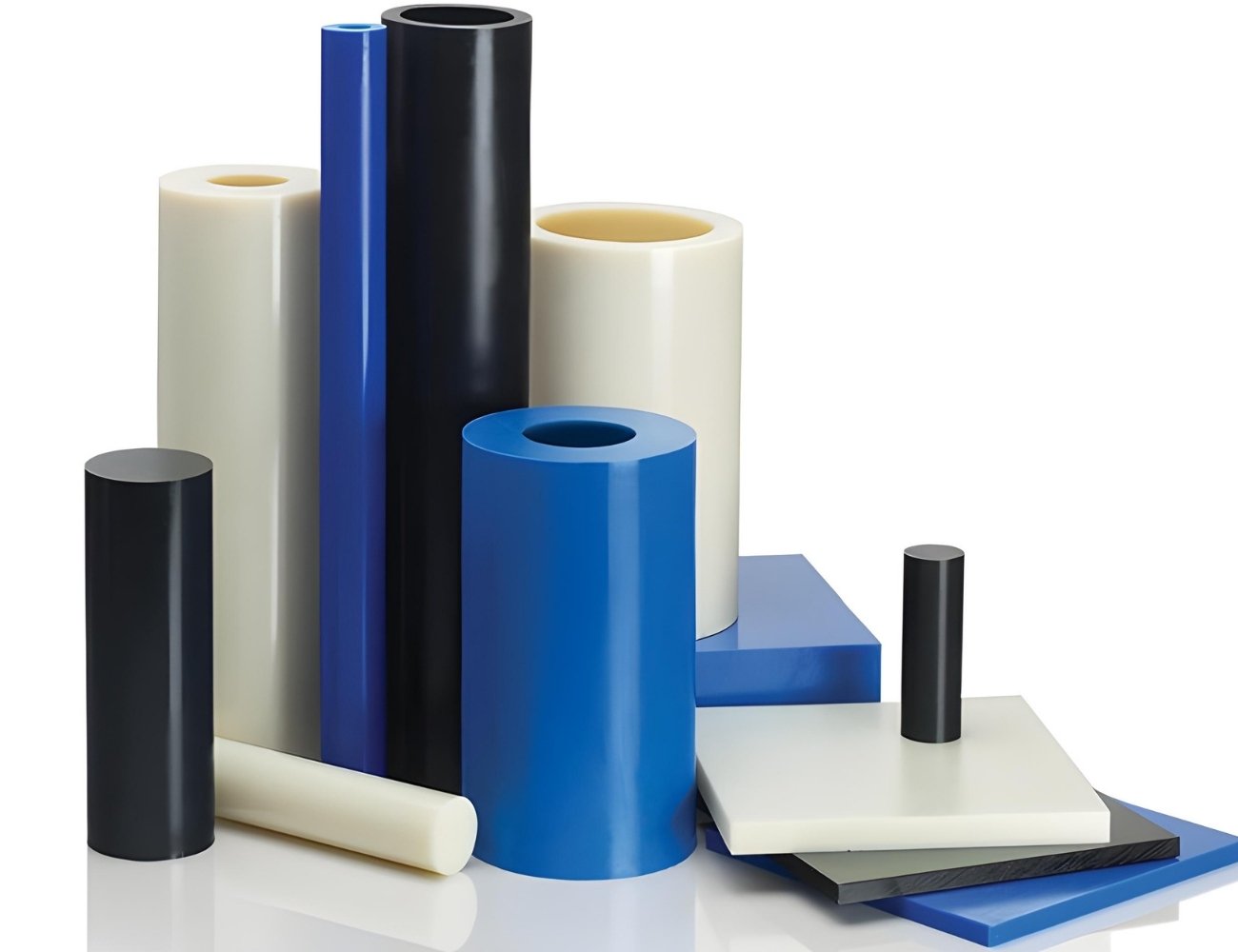
Plastics

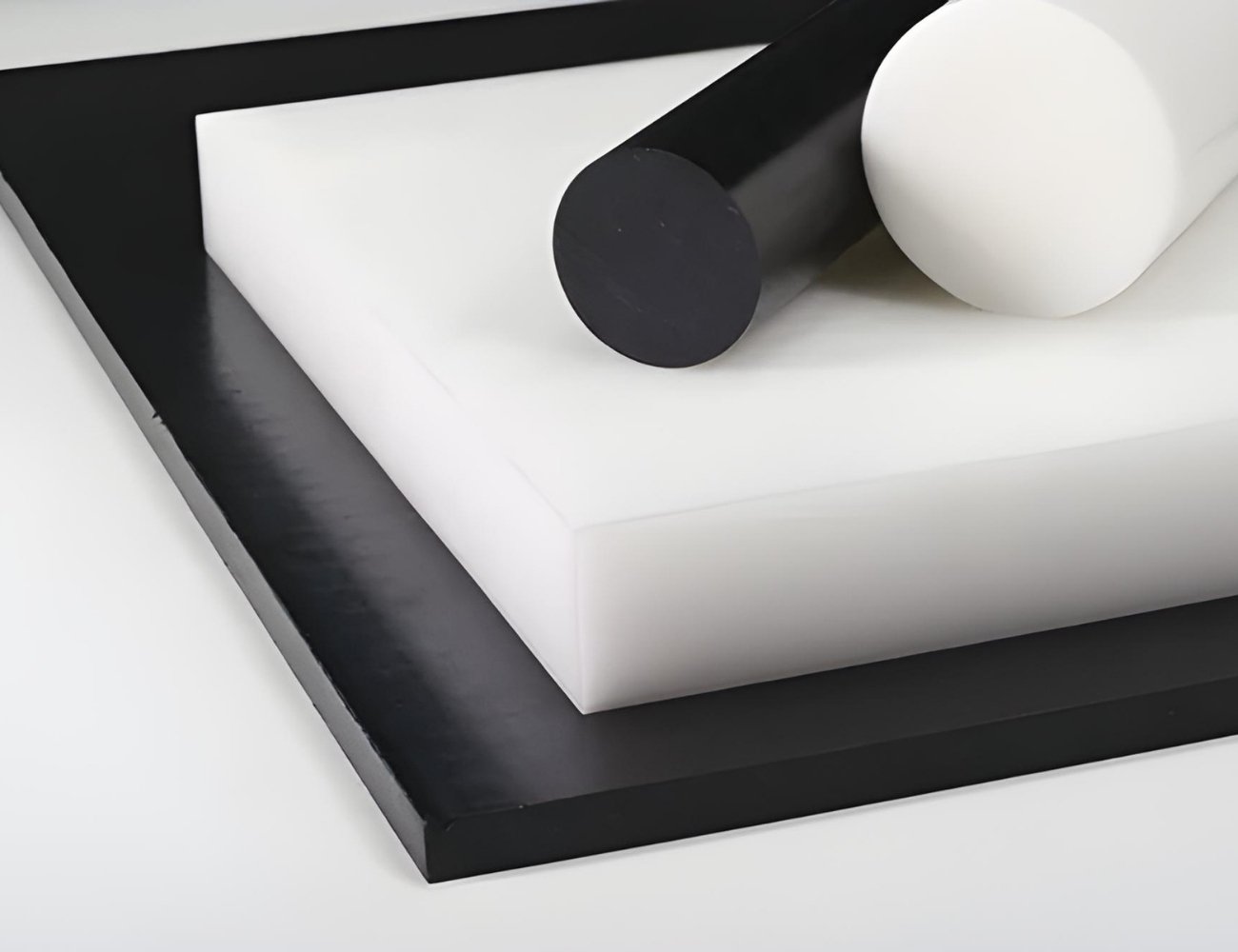
POM (Delrin / Acetal)

POM is a strong, low-friction engineering plastic known for its excellent dimensional stability, stiffness, and smooth sliding performance. Commonly used for gears, bearings, rollers, and precision mechanical components requiring repeatable accuracy.

Alloys

POM-C | Acetal Copolymer POM-H | Acetal Homopolymer POM (100AF) | PTFE-filled Acetal POM Black | Standard POM White | Standard

Nylon

Nylon (Polyamide) offers high toughness, wear resistance, and excellent performance under continuous friction. It is widely used for bushings, rollers, gears, guides, and structural moving components. Nylon (Polyamide) offers high toughness, wear resistance, and excellent performance under continuous friction. It is widely used for bushings, rollers, gears, guides, and structural moving components.

Alloys

PA6 | Polyamide 6 PA66 | Polyamide 66 PA6 + GF15 | Glass-Filled 15% PA6 + GF30 | Glass-Filled 30% PA66 Natural | Unfilled

PPSU

PPSU provides exceptional heat resistance, hydrolysis resistance, and impact strength. It performs reliably in medical, food-grade, and high-temperature environments where continuous sterilization or steam exposure is required.

Alloys

PPSU Natural PPSU Black PPSU Radel R-5000 PPSU Radel R-5500

ABS

ABS is a tough, lightweight, and impact-resistant plastic used for housings, enclosures, automotive interiors, and functional prototypes. It machines cleanly and provides a smooth surface finish.

Alloys

ABS Natural (Beige) ABS Black ABS Antistatic ABS+PC Black ABS+PC White

PEEK

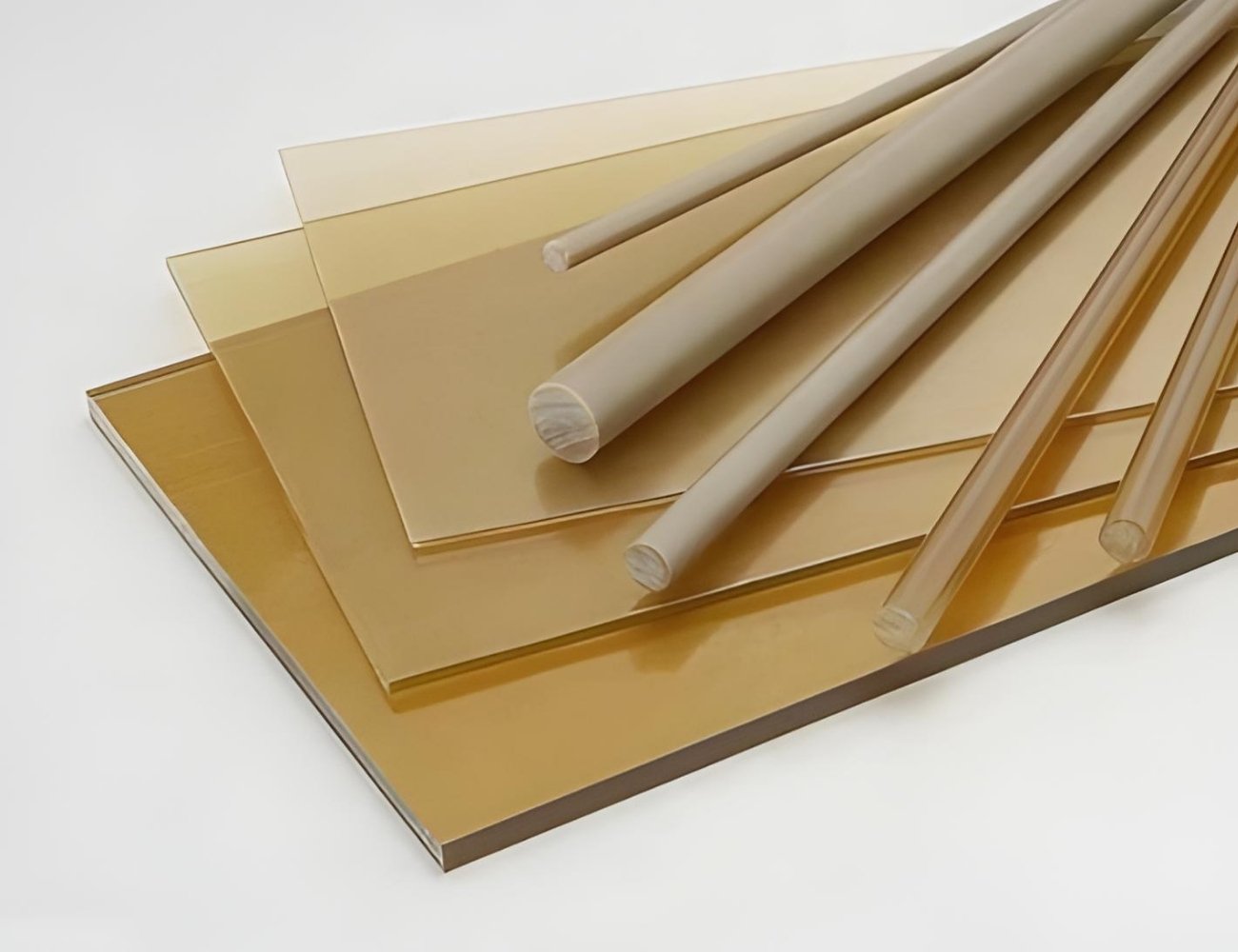
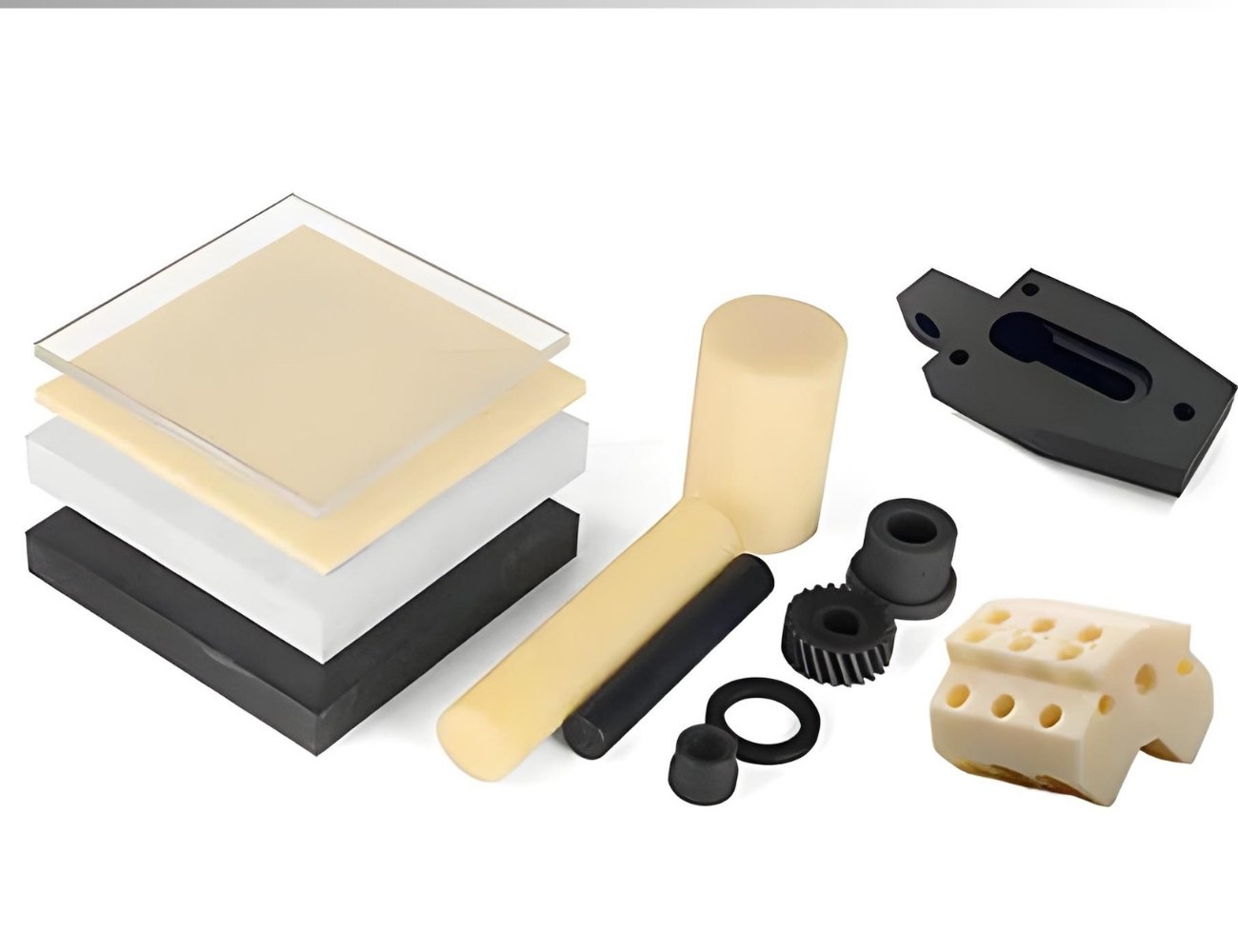
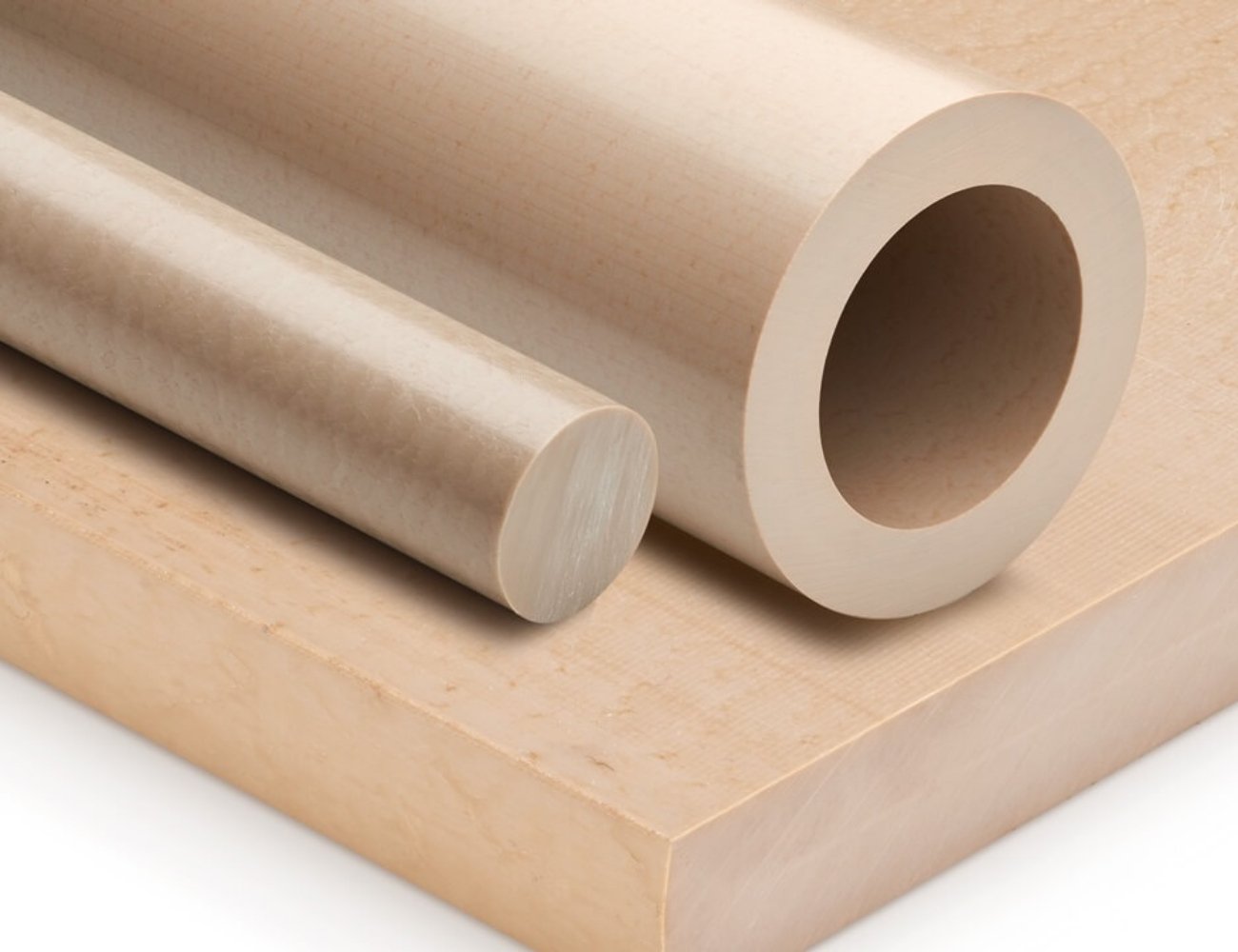
PEEK is a high-performance thermoplastic offering exceptional strength, chemical resistance, and high-temperature stability. Frequently used in aerospace, medical implants, semiconductor equipment, and precision mechanical systems.

Alloys

PEEK Natural (Beige) PEEK Black PEEK GF30 | 30% Glass-Filled PEEK CF30 | 30% Carbon Fiber Filled PEEK Medical Grade

PTFE (Teflon)

PTFE is a self-lubricating, chemically inert, non-stick plastic with extremely low friction and excellent temperature resistance. Ideal for seals, bushings, gaskets, insulation parts, and anti-friction components.

Alloys

PTFE Filled Glass PTFE Filled Carbon PTFE Filled Bronze PTFE Modified (Enhanced Creep Resistance)

Polycarbonate (PC)

Polycarbonate is a tough, impact-resistant engineering plastic with excellent clarity and high dimensional stability. Common for protective covers, lighting components, shields, and durable housings.

Alloys

PC Transparent PC Black PC White PC Yellowish White PC+GF30 | 30% Glass-Filled

Polyethylene (PE)

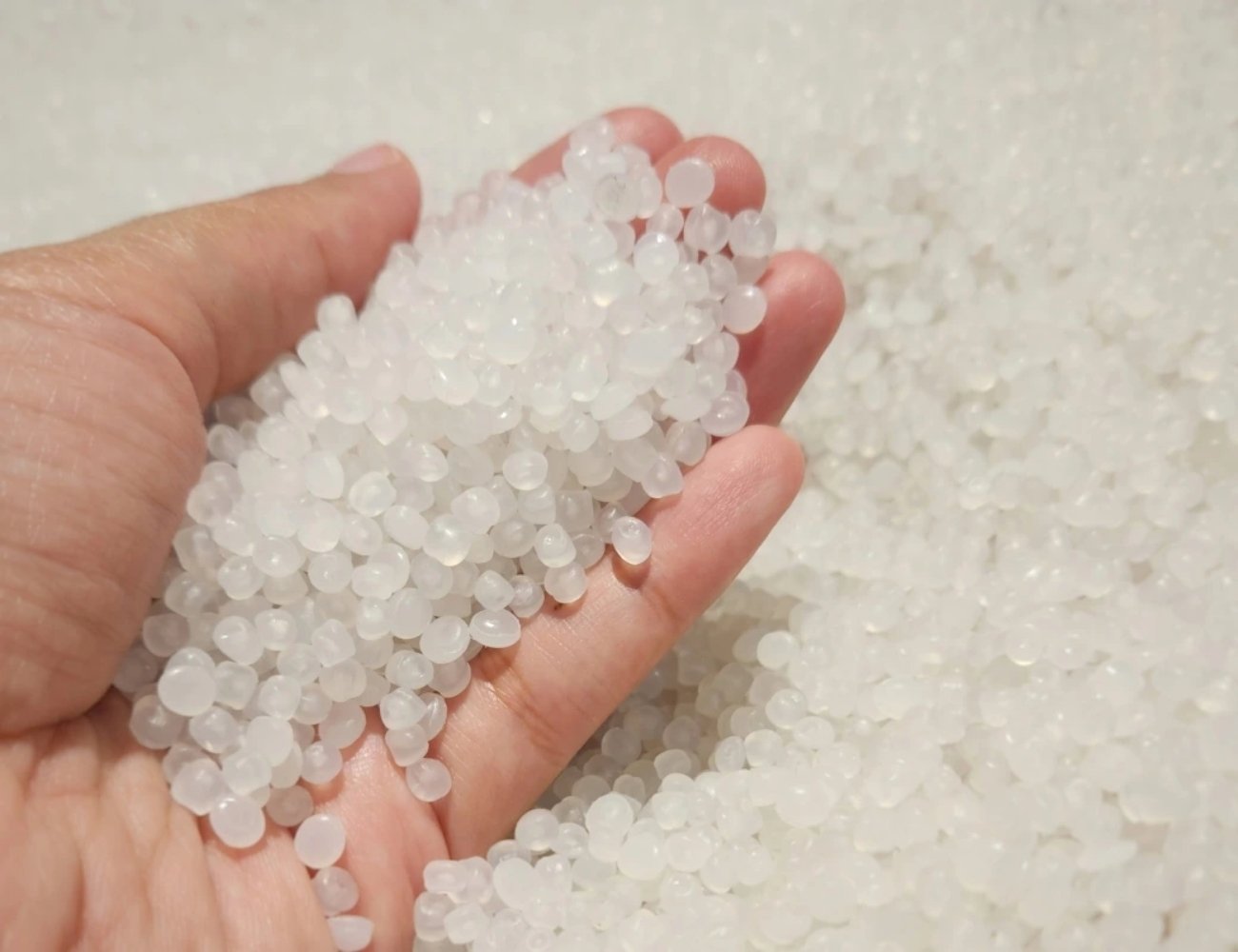
Polyethylene is a durable, lightweight, and abrasion-resistant plastic commonly used for wear components, guides, bumpers, fluid containers, and industrial linings.

Alloys

HDPE | High-Density Polyethylene LDPE | Low-Density Polyethylene UHMW-PE | Ultra-High Molecular Weight PE PE Black PE White

PVC

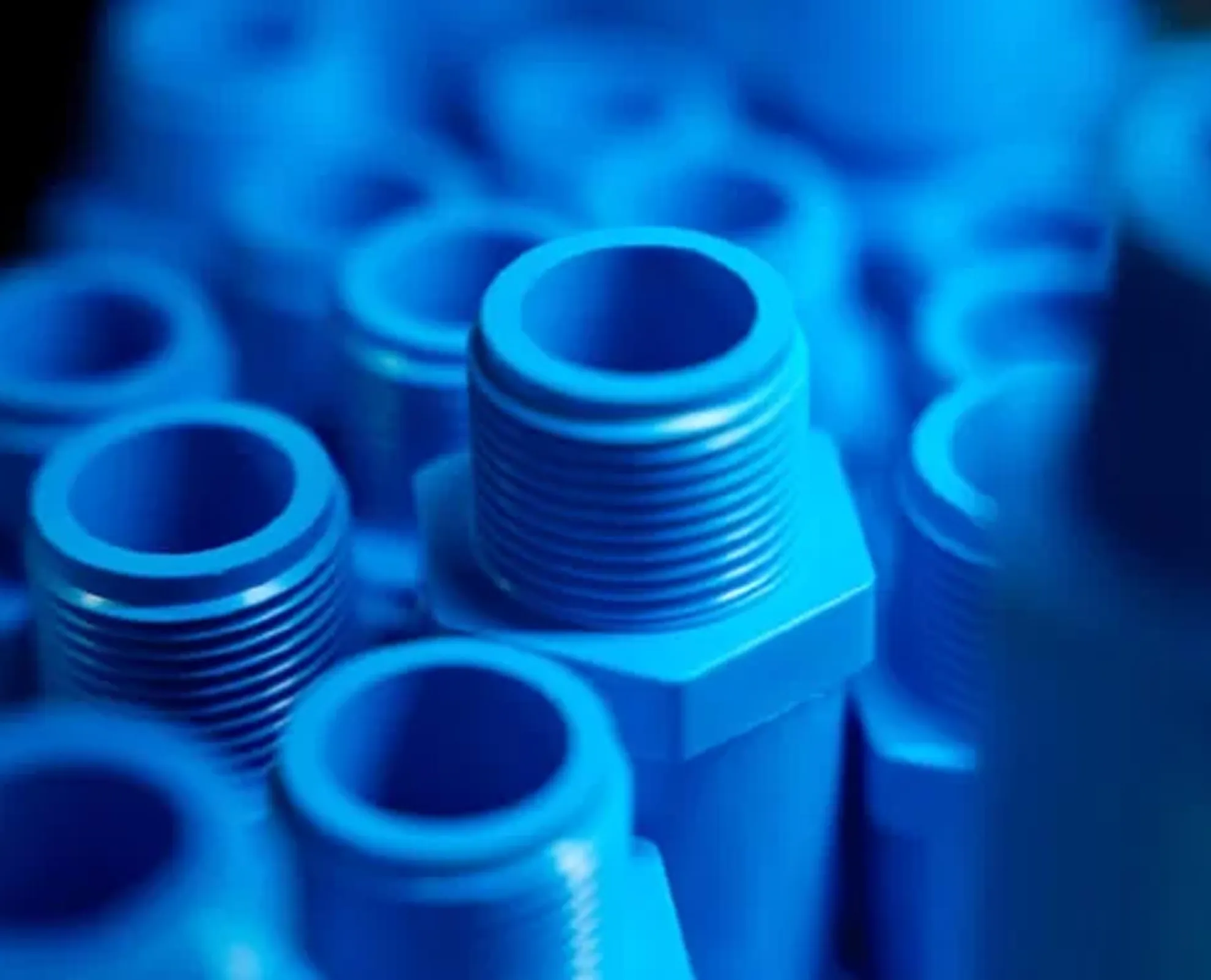
PVC is a durable, chemically resistant, and flame-retardant thermoplastic widely used for fluid-handling components, electrical insulation, industrial housings, and structural prototypes. It machines cleanly and maintains excellent dimensional stability.

Alloys

Grades PVC Black PVC Grey PVC White Rigid PVC (RPVC) PVC-U | Unplasticized PVC

PMMA (Acrylic)

PMMA is a lightweight, optically clear plastic offering excellent weather resistance and a glass-like appearance. It is ideal for light covers, displays, signage, lenses, and cosmetic-grade prototypes.

Alloys

PMMA Transparent PMMA White PMMA Black Cast Acrylic Extruded Acrylic

PET

PET is a strong, low-moisture-absorption material with excellent wear resistance and dimensional stability. It is used for gears, mechanical parts, food-safe components, and precision industrial applications.

Alloys

PET Black PET White PET-GF30 | 30% Glass-Filled Black PET-GF30 | 30% Glass-Filled White PET Clear (Bottle-Grade)

Polypropylene (PP)

PP is a tough, fatigue-resistant, and lightweight plastic with excellent chemical and temperature resistance. It is popular for automotive components, housings, containers, and industrial parts.

Alloys

PP Black PP White PP-GF30 | 30% Glass-Filled PP-H | Homopolymer PP-C | Copolymer

G-10

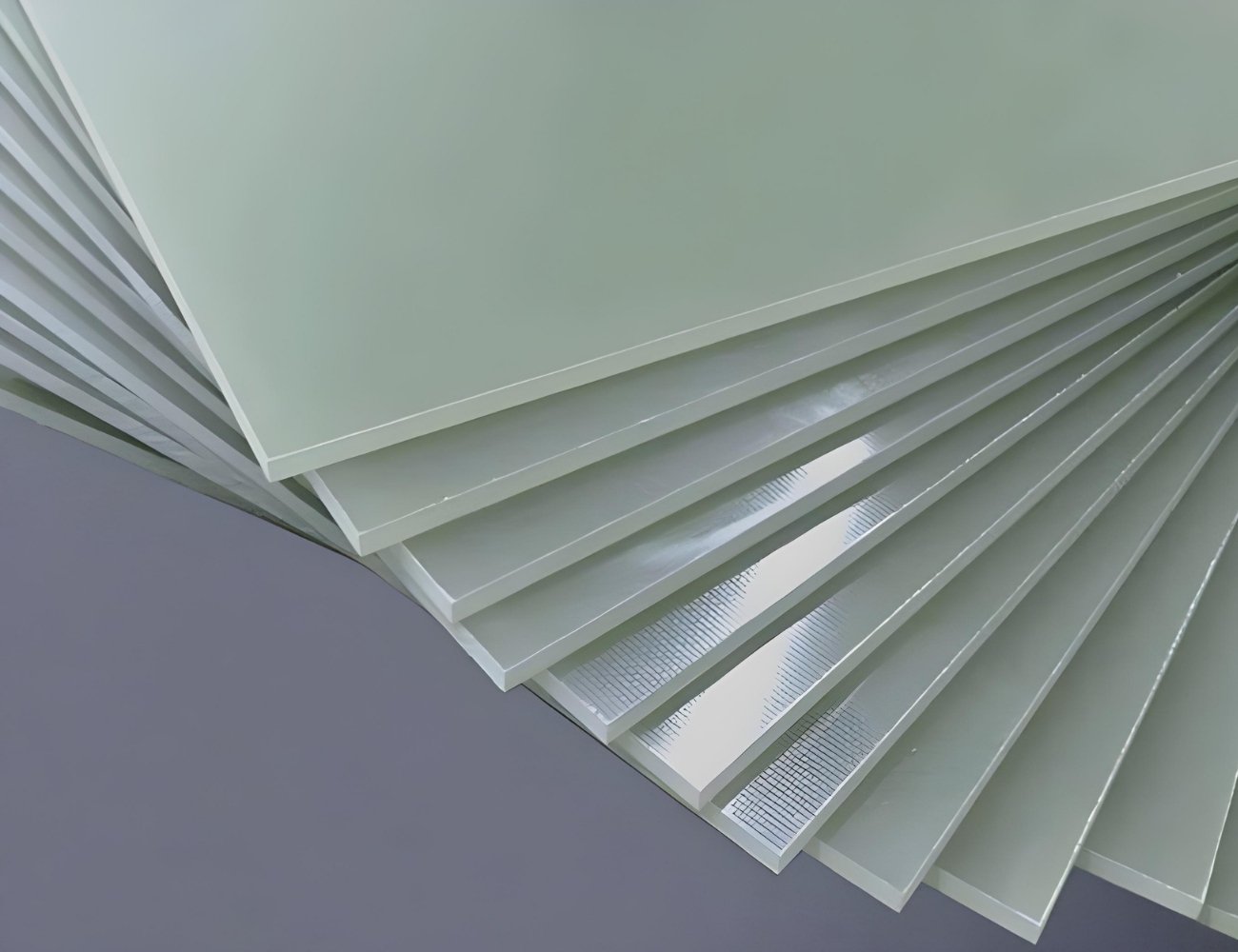
G-10 is a high-strength fiberglass laminate known for its rigidity, machinability, and moisture resistance. Common in electrical insulation, mechanical spacers, jigs, and high-strength structural plates.

Alloys

G-10 Standard G-10 FR (Flame Retardant) G-10 Black G-10 Natural Green G-10 Epoxy Glass Sheet

FR4

FR4 is a flame-resistant fiberglass epoxy composite used extensively for electrical insulation, PCB substrates, tooling plates, and heat-resistant structural parts.

Alloys

FR4 Yellow FR4 Green FR4 Glass-Epoxy Sheet FR4 PCB Grade FR4 Flame-Retardant Standard

PEI (Ultem)

PEI is a high-performance thermoplastic offering outstanding heat resistance, strength, dimensional stability, and chemical resistance. Used in aerospace, medical, semiconductor, and engineering applications requiring premium performance.

Alloys

Grades PEI Ultem 1000 (Unfilled) PEI Ultem 2300 (30% Glass-Filled) PEI Natural PEI Black PEI Medical Grade

Why Choose CNC Routing for Your Next Project?

When it comes to CNC routing, precision, reliability, and speed are everything and that’s exactly what we deliver. With access to a certified network of expert machinists and state-of-the-art equipment, we ensure your parts meet the tightest tolerances and highest quality standards. Whether you need rapid prototyping, small-batch runs, or large-scale production, our process is built to adapt seamlessly to your project’s requirements. From metals to plastics, every component is manufactured with consistency and accuracy that keeps your business moving forward.
Beyond quality, we focus on giving you a competitive edge. Our instant quoting system provides fast pricing, lead times, and design-for-manufacturing feedback, so you can make decisions quickly and confidently. With ISO and ITAR-certified processes, flexible shipping options, and a dedicated support team, we take the complexity out of production while giving you unmatched peace of mind. Choosing us means choosing a partner who values your success as much as you do, delivering parts that perform, on time, every time.

CNC Routing Tolerances

Parameter

Specification

Maximum Part Size

Up to 96” x 48” x 4” (2,438 x 1,219 x 100 mm), depending on machine bed size. Ideal for large, flat parts.

Standard Lead Time

3–5 business days depending on material, part complexity, and order volume.

General Tolerances

±0.010”–0.020” (±0.25–0.5 mm), depending on material type (wood, plastic, aluminum) and part size.

Precision Tolerances

±0.005” (±0.127 mm) achievable with calibrated machines and stable materials

Minimum Feature Size

~0.040” (1.0 mm), limited by tool diameter and spindle control.

Wall Thickness

Minimum recommended: 0.080” (2.0 mm) for structural integrity.

Draft Angle

Not typically required, but a 1–2° angle may help with assembly or if routing through thicker materials or laminated composites.

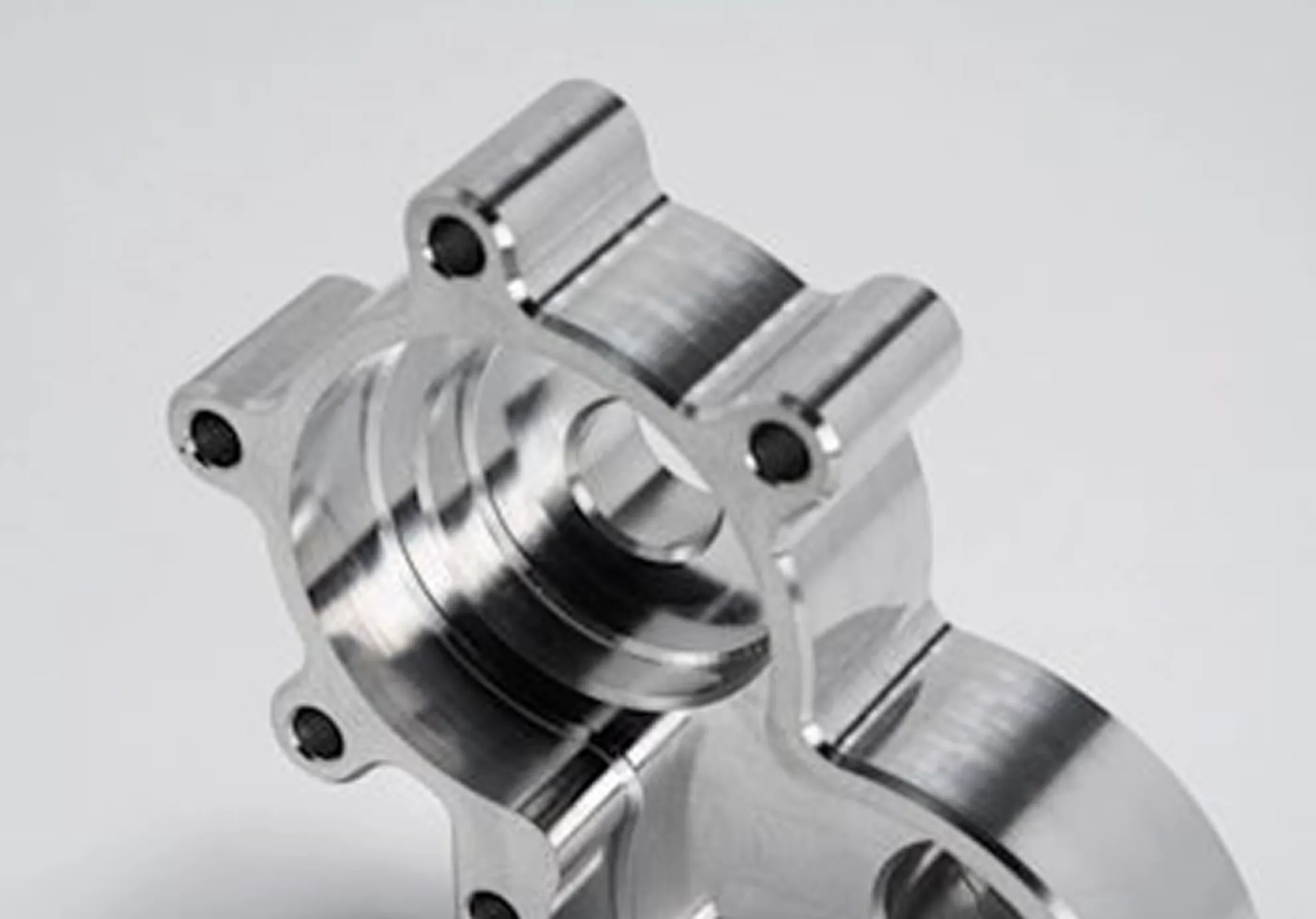
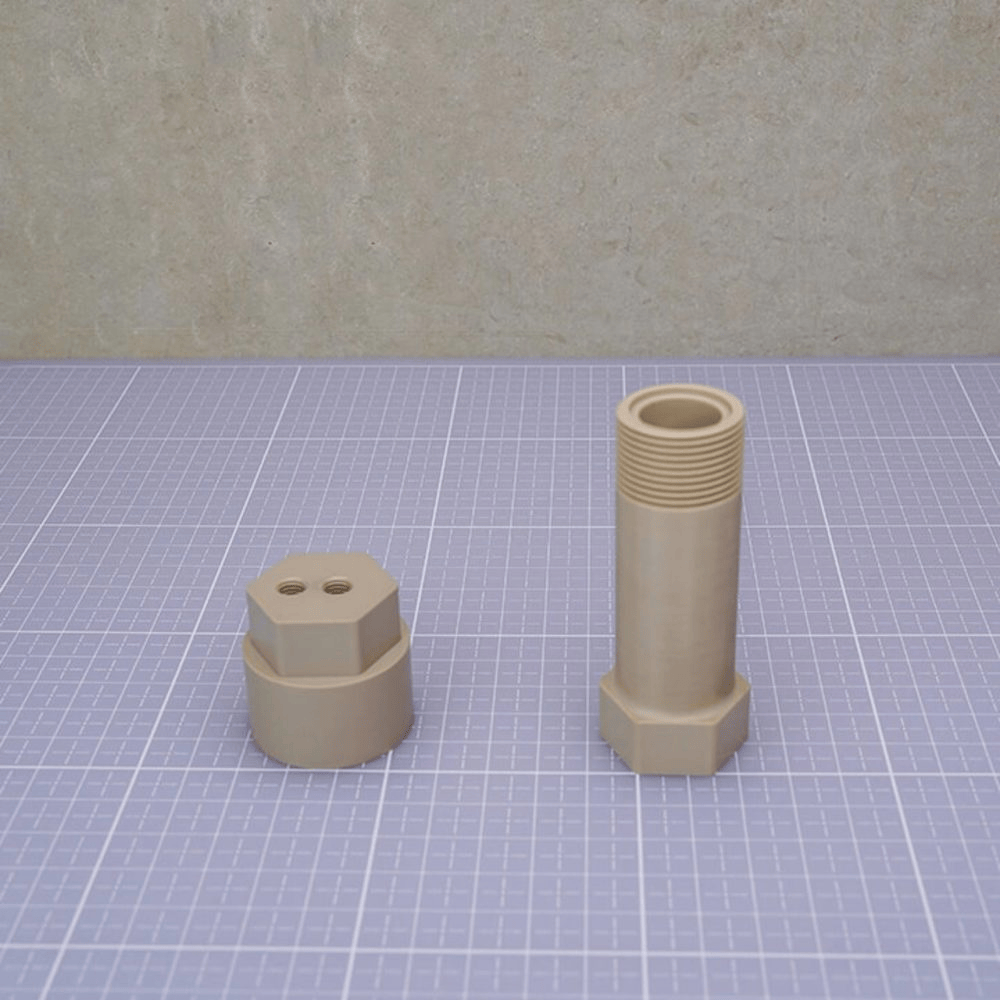
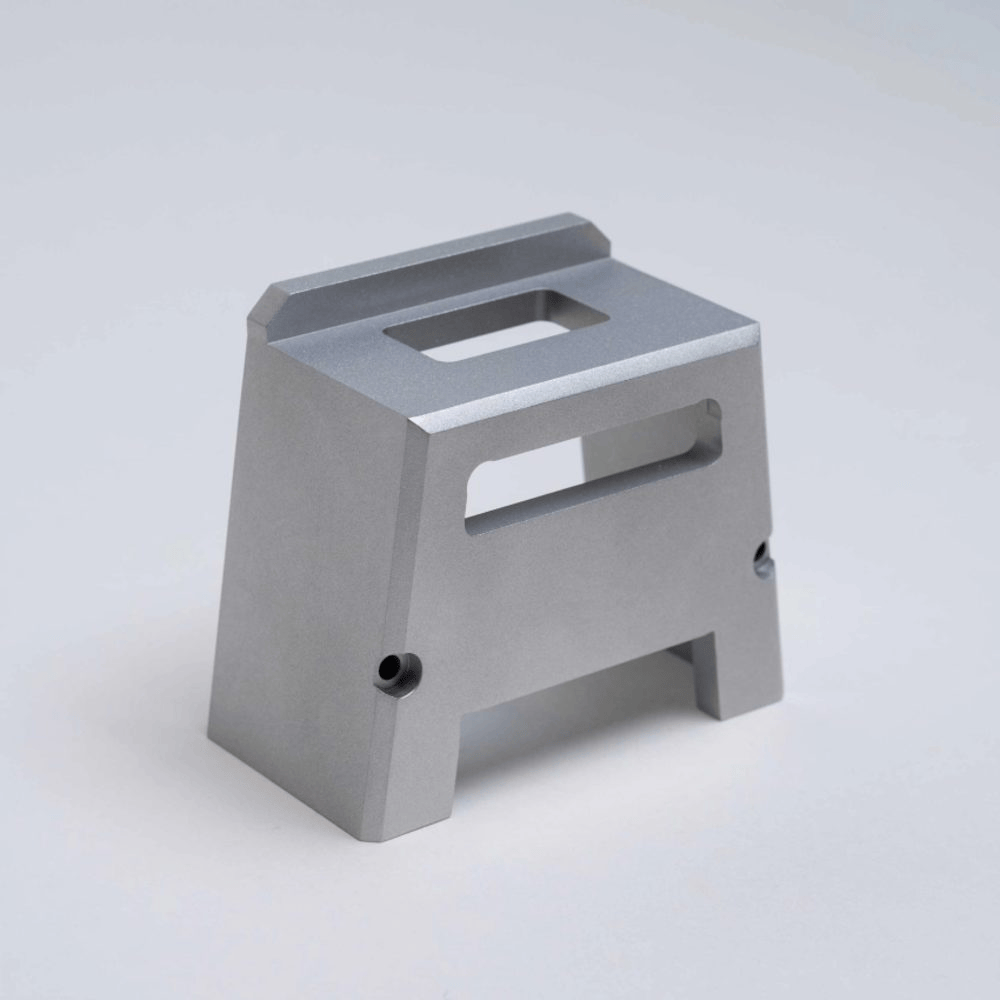
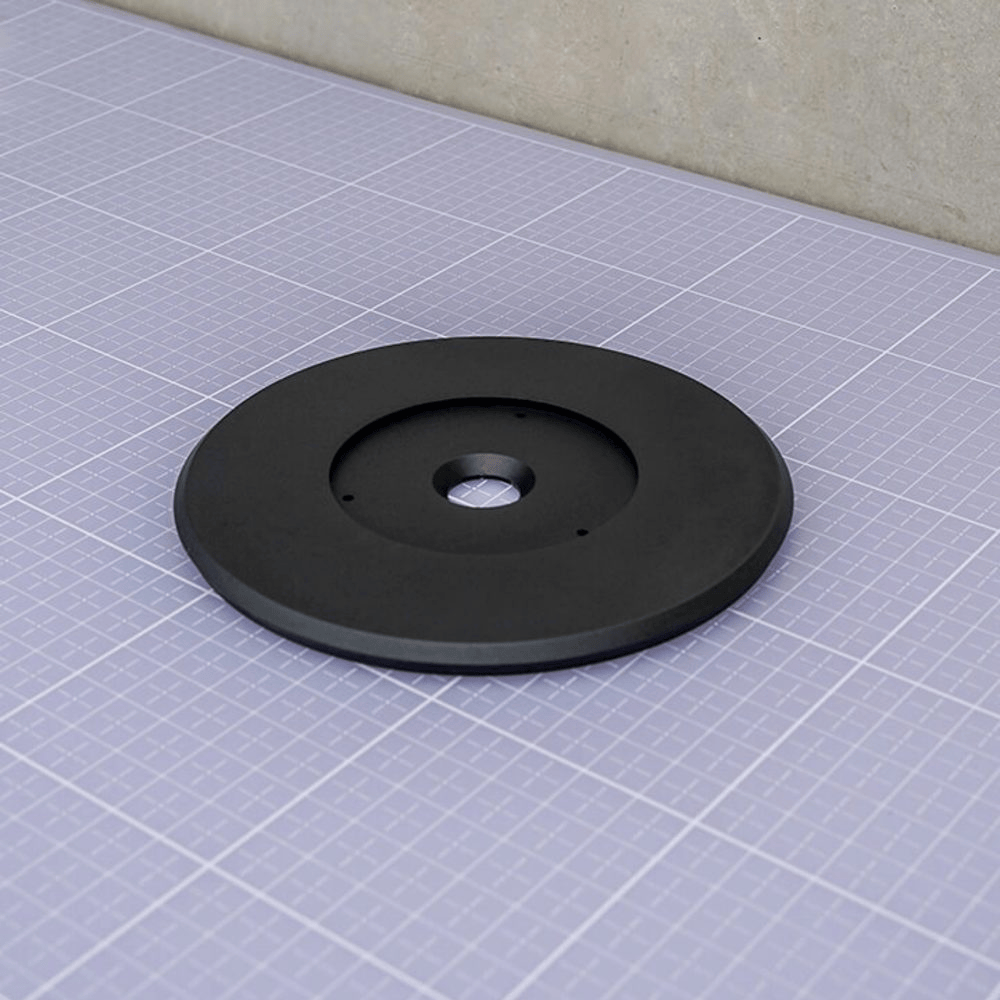
Gallery of CNC machined parts

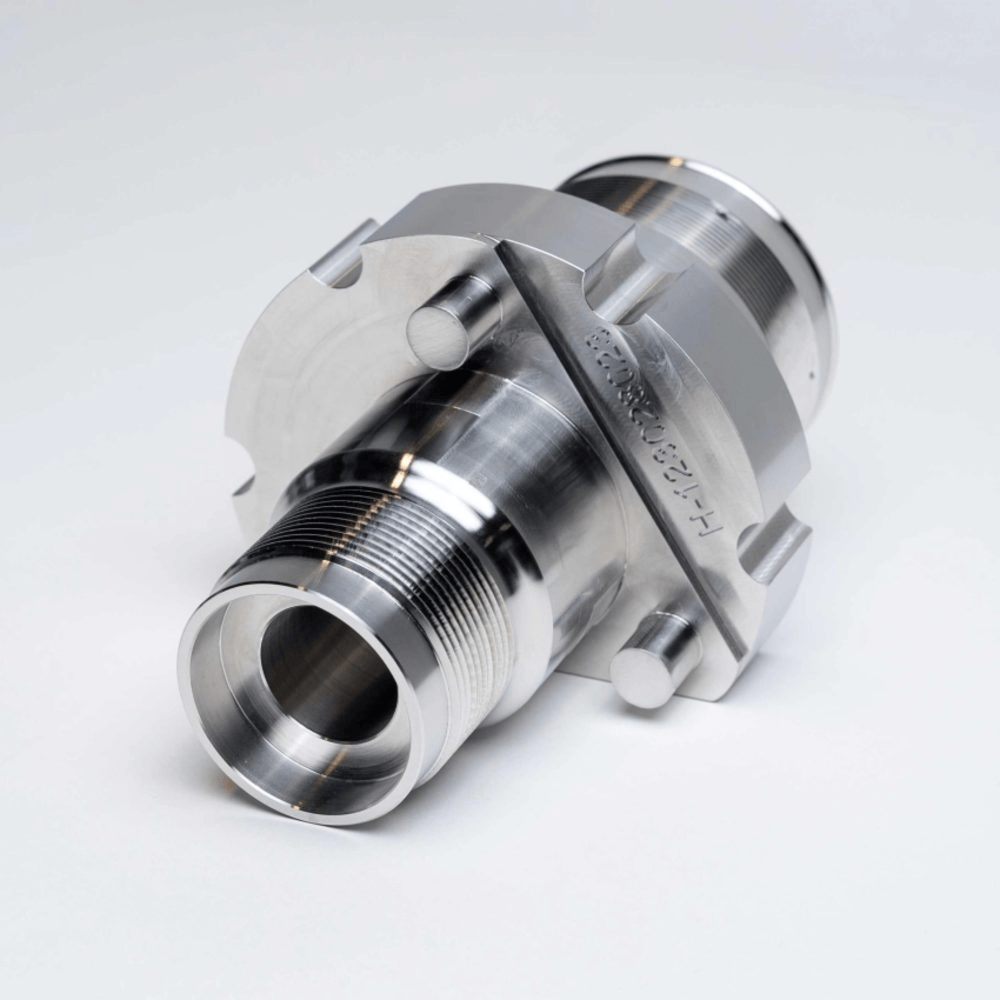
Explore our gallery showcasing high-precision CNC machined parts crafted with accuracy and consistency. Each component reflects OD Precision’s commitment to quality, performance, and detail.

Applications of CNC Routing

CNC routing is used in many industries for the production of finished parts and components thanks to its precision, efficiency, and ability to work with a wide range of materials. This process enables the creation of complex designs, accurate cuts, and repeatable results, making it an essential technology for both prototyping and large-scale manufacturing. Below are some of the most common applications of CNC routing:

Our Strength

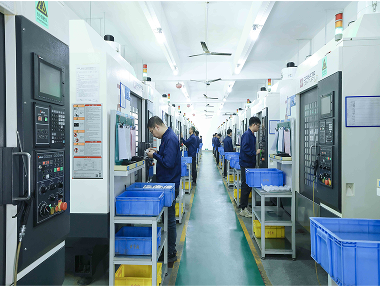
Delivering precision, speed, and reliability is at the core of OD Precision. With advanced facilities, skilled teams, and global reach, we power innovation across industries.

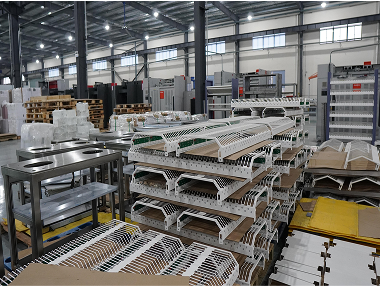
A large-scale facility

0 +

m

A skilled team of engineers
0 +

Employees

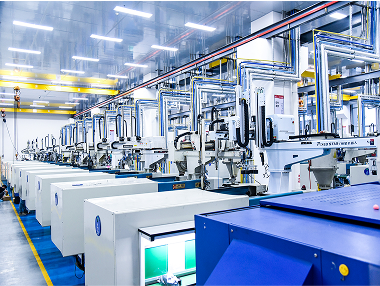
Cutting-edge CNC and inspection equipment
0 +

Advanced Machines

Trusted by global businesses
0 +

 Countries Served

Prototyping

Rapid Tooling

Cut weeks off your development cycle with our advanced rapid tooling solutions. Designed for speed, precision, and repeatability, our tooling services allow you to move from design to production in record time, without sacrificing quality. Whether you need prototype molds, bridge tooling, or short-run production, we create tools that deliver consistency and durability. With tighter timelines, reduced costs, and the ability to test and refine designs quickly, rapid tooling gives you the competitive edge to launch products smarter and faster.

Production

Production Tooling

Our CNC routing services are built to handle everything from intricate detailing to large-format cutting with unmatched accuracy. By combining advanced machinery with expert programming, we deliver parts that meet the tightest tolerances, no matter the size or complexity. From single prototypes to full-scale production, CNC routing ensures consistency, repeatability, and cost-efficiency across wood, plastics, composites, and metals. Whether you need decorative panels, molds, signage, or structural components, our flexible solutions provide the precision and scalability your projects demand.

Quality Inspection Process

Thorough evaluation of every raw material guarantees authenticity and a product qualification rate above 99%.

At OD Precision, quality isn’t just a step, it’s the backbone of our production. Every phase is engineered with accuracy, discipline, and uncompromising precision.

Incoming Material Check: Validate material certifications (composition, hardness). Examine raw dimensions and surface integrity.

In-Process Inspection: Track critical dimensions with calibrated tools (micrometers, CMM). Confirm tool condition and machine accuracy.

First-Article Inspection (FAI): Perform complete dimensional and geometric tolerance checks per drawing. Log results in a formal FAI report.

Final Inspection: Conduct 100% visual reviews for surface issues (burrs, scratches). Sample-test features (threads, bores) with gauges or CMM.

Documentation & Release: Attach full QC records and certifications. Only approve parts aligned with ISO 9001, ISO 13485, and IATF 16949 compliance.

Industries Solution

We’ve manufactured millions of parts for all sorts of applications, but we’re especially knowledgeable in these areas.

Pros of CNC Routing

Proven by the World’s Toughest Industries

From aerospace to automotive, our manufacturing expertise is trusted by some of the world’s most demanding industries. We’ve built long-term partnerships by consistently delivering quality, precision, and efficiency on time, every time. That’s why leading companies return to us again and again. That’s why global leaders continue to rely on us for every critical project.

Manufactured Using the Latest CNC Routing Technologies

1. High-Speed Multi-Material Routing

OD Precision’s advanced CNC routers operate at exceptional cutting speeds across metals, plastics, and composites. Precision control ensures smooth edges, consistent finishes, and accurate geometries, ideal for prototypes, enclosures, and production parts.

Our routers feature intelligent CAM-based tool path programming that minimizes vibration, reduces cycle time, and enhances cutting accuracy. This automation delivers high repeatability while maximizing material utilization and surface quality.

Equipped with integrated vacuum extraction and real-time monitoring, our CNC routers maintain a clean cutting environment. This ensures improved tool life, better surface integrity, and consistent results across large-scale production runs.

Frequently Asked Questions

Explore our frequently asked questions to understand
more about CNC machining services and how we can
help you achieve your project goals.

Frequently Asked Questions

CNC Routing

  • What is CNC routing and how does it work?

    CNC routing is a subtractive manufacturing process that uses a computer-controlled machine to cut, carve, and shape materials into precise designs. The router follows a programmed tool path based on CAD or CAM files, moving along multiple axes to create detailed patterns, cuts, and engravings. Unlike manual cutting, CNC routing ensures repeatability and consistency, meaning every part produced will match the original design with minimal error. It is used to handle a wide range of materials including wood, plastics, composites, and metals, making it versatile for different industries. 

  • Which materials can be processed with CNC routing?

    CNC routing machines are capable of working with a diverse variety of materials, making them highly adaptable for different projects. The most common materials include wood, MDF, plywood, and laminates, which are widely used in furniture and cabinetry. They can also handle plastics such as acrylic, PVC, polycarbonate, and HDPE for signage, displays, and product components. Advanced CNC routers are capable of machining aluminum, brass, copper, and composite boards used in aerospace and automotive industries. The flexibility of CNC routing makes it suitable for both soft and hard materials, providing the ability to produce prototypes and end-use products. 

  • How accurate is CNC routing compared to traditional cutting methods?

    CNC routing is significantly more accurate than manual cutting or conventional fabrication techniques. Modern CNC routers can achieve tolerances as tight as ±0.1 mm depending on the material and tool setup, which is far superior to hand-operated tools. This accuracy is maintained across repeated runs, ensuring consistent part quality even when producing large volumes. The automated process also eliminates human error and allows for precise execution of complex designs such as intricate curves, fine engravings, or 3D surface detailing that would be nearly impossible to achieve manually. 

  • What industries benefit most from CNC routing?

    A wide range of industries benefit from CNC routing because of its adaptability to multiple materials and applications. The furniture industry uses it to cut and shape wooden components for cabinets, tables, and decorative panels. The signage industry relies on CNC routers to produce logos, lettering, and custom shapes in plastic, metal, or wood. CNC routing also plays a vital role in aerospace and automotive, where lightweight materials such as composites and aluminum are routed into precise structural or interior components. Additionally, product development companies and manufacturers use CNC routers for prototyping and testing new designs before mass production, reducing costs and speeding up innovation. 

  • Can CNC routing be used for large-scale production?

    Yes, CNC routing is highly scalable and can be used for both prototyping and full-scale production. While it is often employed for creating one-off prototypes and custom products, it is equally effective in producing large production runs because of its consistency and efficiency. CNC routers are capable of running continuously, reducing production time while maintaining accuracy across all parts. This scalability makes them ideal for businesses that need to move quickly from design validation to manufacturing without sacrificing quality. 

  • What types of designs can CNC routers produce?

    CNC routers can produce an extensive range of designs, from simple straight cuts to highly complex 3D shapes and engravings. They can carve decorative patterns, cut intricate lettering for signage, and create contoured surfaces with precision. In furniture, CNC routing can replicate ornamental designs with fine details, while in product development, it can create functional prototypes with holes, slots, and detailed geometries. The ability to work across multiple axes allows CNC routers to generate complex shapes and contours that traditional machines cannot achieve, giving designers complete freedom to bring their concepts to life. 

  • How cost-effective is CNC routing for businesses?

    CNC routing can be highly cost-effective for businesses due to its precision, speed, and ability to minimize material waste. Since the process is automated, fewer labor hours are required, reducing overall production costs. CNC routers also optimize material usage by nesting parts efficiently within sheets, ensuring minimal scrap. For businesses that need repeat production, CNC routing is even more economical because the machine can reproduce the same part over and over without additional setup. While initial setup costs may be higher compared to manual methods, the long-term savings and ability to produce high-quality results make CNC routing a profitable investment. 

  • What is the difference between CNC routing and CNC milling?

    Although both are subtractive machining processes, CNC routing and CNC milling differ in their applications and capabilities. CNC routing is typically used for cutting softer materials like wood, plastics, and composites, though advanced routers can also handle metals. It operates at higher spindle speeds and is ideal for creating large-scale shapes, patterns, and flat panel cuts. CNC milling, on the other hand, is designed for precision machining of harder materials such as metals and alloys, offering tighter tolerances and more complex 3D geometries. While routing is often used for furniture, signage, and prototyping, milling is more common in aerospace, medical, and automotive industries where extreme precision is required. 

  • How fast is the CNC routing process?

    CNC routing is generally much faster than manual cutting methods and even outperforms some traditional machining techniques. The exact speed depends on factors such as the material being cut, the complexity of the design, and the router’s spindle power. For softer materials like wood and plastics, CNC routers can cut through large sheets quickly and efficiently, making them ideal for bulk production. Even when working with metals, the process is still relatively fast compared to manual methods. By eliminating the need for multiple setups and delivering parts ready for assembly, CNC routing significantly reduces lead times for projects. 

  • What are the limitations of CNC routing?

    While CNC routing offers many advantages, there are some limitations to consider. The process is best suited for sheet materials or components with limited thickness, as routers are not typically designed for extremely deep cuts compared to CNC milling. Tolerances may not be as tight as those achieved with advanced CNC machining centers, especially when working with metals. Additionally, CNC routing may require secondary finishing processes such as sanding, polishing, or coating to achieve certain surface finishes. Despite these limitations, CNC routing remains a highly versatile and efficient solution for a wide range of industries where precision and speed are required. 

Where Power Meets Precision

Every great product starts with the perfect balance of strength and accuracy. OD Precision combines advanced machinery with skilled expertise to deliver flawless parts that perform under the toughest conditions. From heavy-duty industrial components to high-precision prototypes, our team ensures every detail is measured, tested, and executed with confidence. With the right technology and a commitment to excellence, we give you manufacturing power you can trust. Partner with us and experience precision manufacturing that keeps your business moving forward.

How to work with US?

Upload a CAD File

Share your XT file & CAD drawings or part designs with us. Our engineers will carefully review your files to understand dimensions, tolerances, ensuring everything is ready for accurate production.

Get Quote 12 Hours

We’ll provide a detailed quote along with a free DFM (Design for Manufacturing) analysis. This helps optimize your design and guarantee high-quality results before moving to production.

Start Production

Once you approve the quote, our expert machinists and technicians start manufacturing your parts using advanced CNC equipment and strict quality control for precision and reliability.

Parts are Shipped!

After inspection and finishing, your custom parts are securely packaged and shipped straight to your doorstep, delivered on time and ready for use, no matter where you are.

Start Custom Parts Manufacturing

OD Precision is your trusted partner for high-quality prototypes and production-ready machined parts, no matter how simple or complex. Backed by ISO 9001 certification and years of expertise, we guarantee accuracy, consistency, and reliability in every project.

Full-Scale Production Manufacturing

OD Precision transforms precision CNC routing into a scalable production solution that meets the demands of modern manufacturing. From one-off prototypes to thousands of identical parts, our advanced routing systems ensure each cut is clean, consistent, and production-ready. Our automated multi-head routers and intelligent nesting software allow us to handle large batches efficiently, maximizing material use while minimizing waste. Whether working with aluminum, acrylic, or composites, we guarantee smooth edges, perfect fits, and repeatable quality across every production run. With tight tolerances, high-speed cutting, and real-time process monitoring, OD Precision delivers results that save time, reduce cost, and maintain the flawless precision your brand deserves.

End To End Solutions

Rapid Prototyping

Accelerate innovation with our rapid prototyping services. From concept models to functional prototypes, we deliver high-precision parts fast, helping you validate designs and move quickly to market.

Low Volume Production

Bridge the gap between prototyping and mass production with low-volume manufacturing. Get consistent, reliable parts with fast lead times and full quality control, ideal for testing and pilot runs.

End-to-End Solutions

From design and material selection to full-scale production, we provide complete manufacturing solutions. Our integrated approach ensures efficiency, cost savings, and quality at every stage.

Get In Touch With Us!​

Prompt response guaranteed within 12 hours​

  • 🔐 All uploads are secure and confidential