






Which Trends Will Shape Manufacturing in 2026? Read Our 2026 Manufacturing Outlook.

Custom CNC Grinding Services

Achieve flawless precision with our CNC grinding services, engineered for parts that demand uncompromising accuracy and consistent quality. From metals to plastics, every component is crafted to meet the tightest tolerances, ensuring superior performance in every application.

Get instant pricing, project lead times, and DFM feedback.

STEP | STP | SLDPRT | STL | DXF | IPT | X_T | X_B | 3DXML | CATPART | PRT | SAT | 3MF | JT files

 Our Instant Quoting Engine is covered by U.S. Pat. Nos. 11,086,292, 11,347,201, 11,693,388, 11,698,623, 12,099,341, and 12,189,361. Other patents pending.

What are CNC Grinding Services?

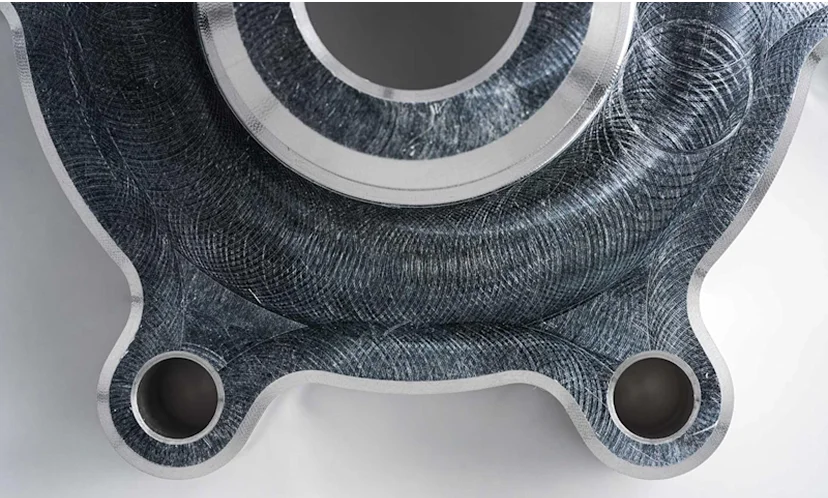
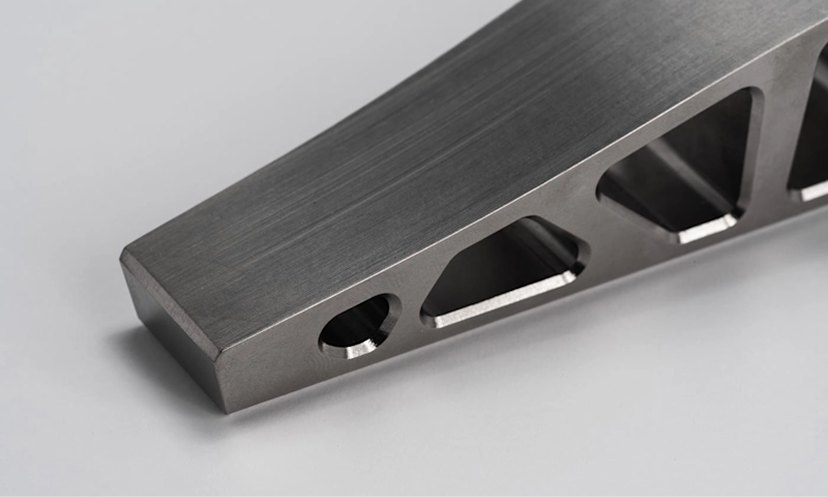
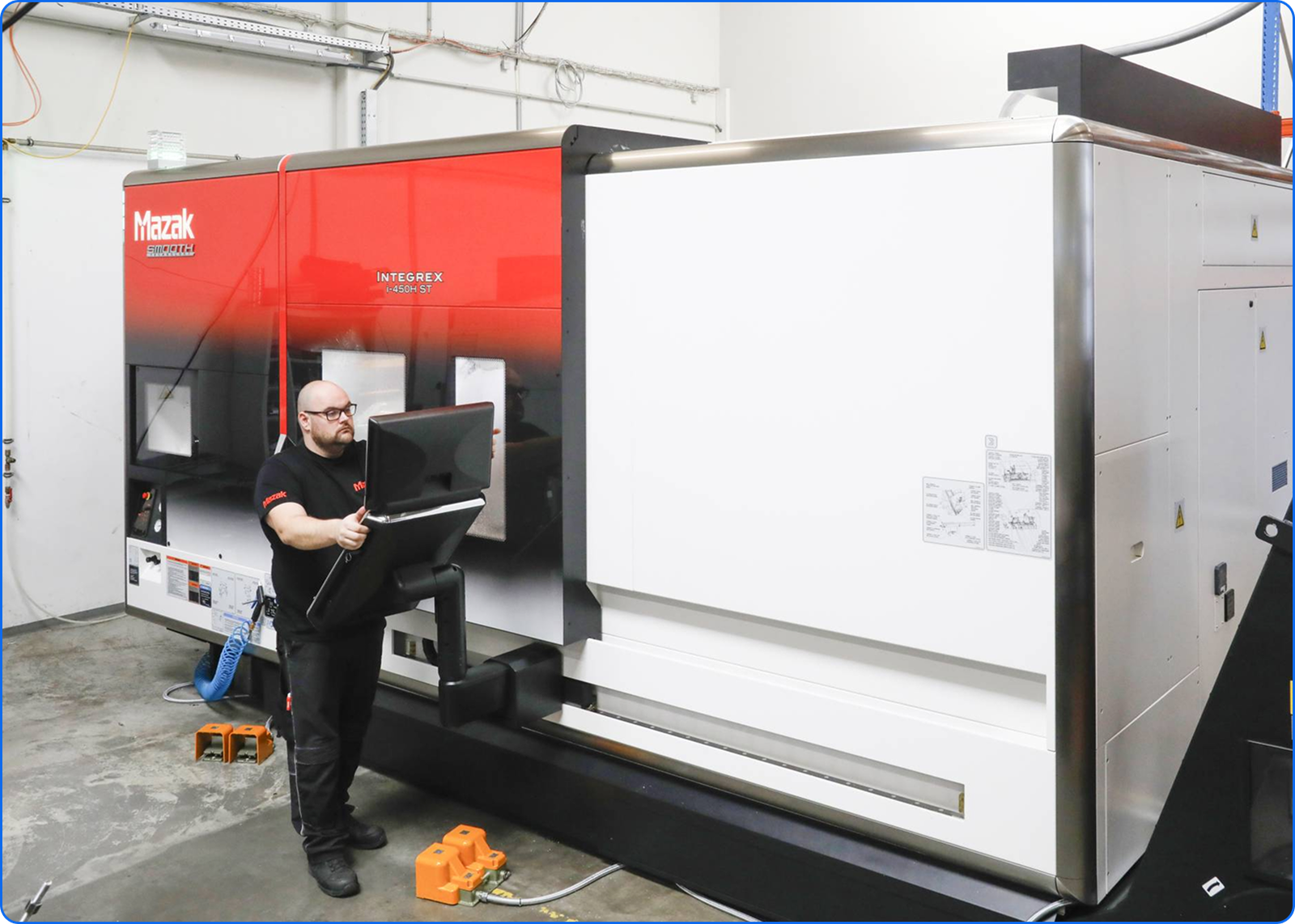
CNC grinding is a high-precision machining process that uses computer-controlled rotary wheels to shape and finish metal or plastic parts. Unlike conventional cutting, grinding delivers extreme accuracy with surfaces that meet demanding tolerance requirements. It is widely used for producing components where smooth finishes, tight dimensions, and consistent quality are critical. From aerospace shafts and automotive parts to medical devices and industrial tools, CNC grinding ensures every piece is produced with exact repeatability. This makes it an essential solution for industries where reliability and performance cannot be compromised.

CNC Grinding Services to Meet Your Exact Needs

OD Grinding

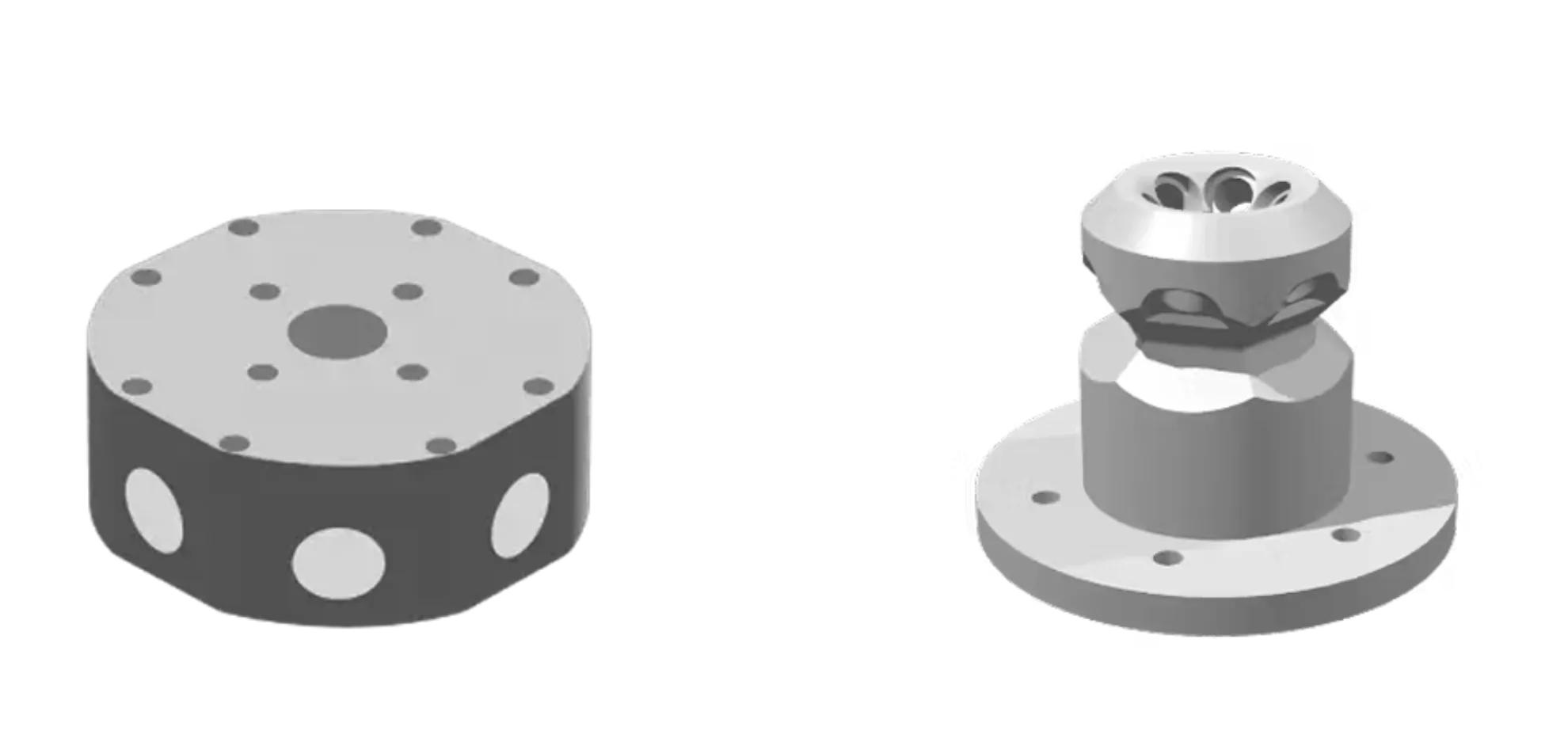
Outside Diameter (OD) grinding delivers unmatched precision for cylindrical parts. This process ensures perfect roundness, smooth finishes, and tight tolerances—ideal for shafts, spindles, and other components where accuracy is everything.

ID Grinding

Inside Diameter (ID) grinding specializes in finishing bores and internal surfaces with extreme accuracy. It’s the go-to method for creating flawless fits in bearings, bushings, and hydraulic components.

Vertical Grinding

Vertical grinding provides stability and efficiency for larger or heavier components. With advanced control, it achieves consistent accuracy in demanding applications such as aerospace and energy parts.

Rotary Grinding

Rotary grinding combines speed with precision, allowing efficient surface finishing across a wide range of parts. The process guarantees uniform flatness and superior surface quality every time.

Centerless Grinding

Centerless grinding is the perfect choice for high-volume production of cylindrical parts. By removing the need for centers or fixtures, it enables faster turnaround while maintaining tight tolerances.

Tool Grinding

Tool grinding restores and refines cutting tools to extend their performance and lifespan. Whether sharpening drills, end mills, or custom cutters, this service ensures tools deliver reliable precision.

Precision Grinding That Drives Performance

When it comes to parts that demand flawless accuracy and reliability, our CNC grinding services deliver results you can count on. Every project benefits from advanced machinery, certified processes, and a team that understands the importance of surface finish, tight tolerances, and consistency. Whether you need single prototypes or high-volume runs, we make sure every component meets the strictest standards of quality and performance.

Beyond machining, we provide complete support from instant quoting and design feedback to flexible shipping options. Our ISO 9001:2015, AS9100D, and ITAR-certified systems guarantee compliance, while our streamlined process reduces lead times and costs. With us, you’re not just sourcing grinding services, you’re investing in precision that gives your products a competitive edge.

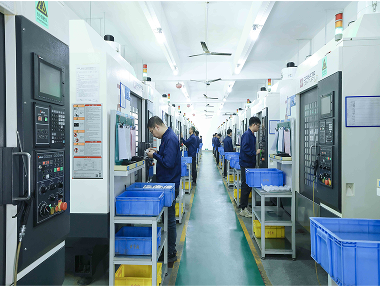
Our CNC Grinding Equipment

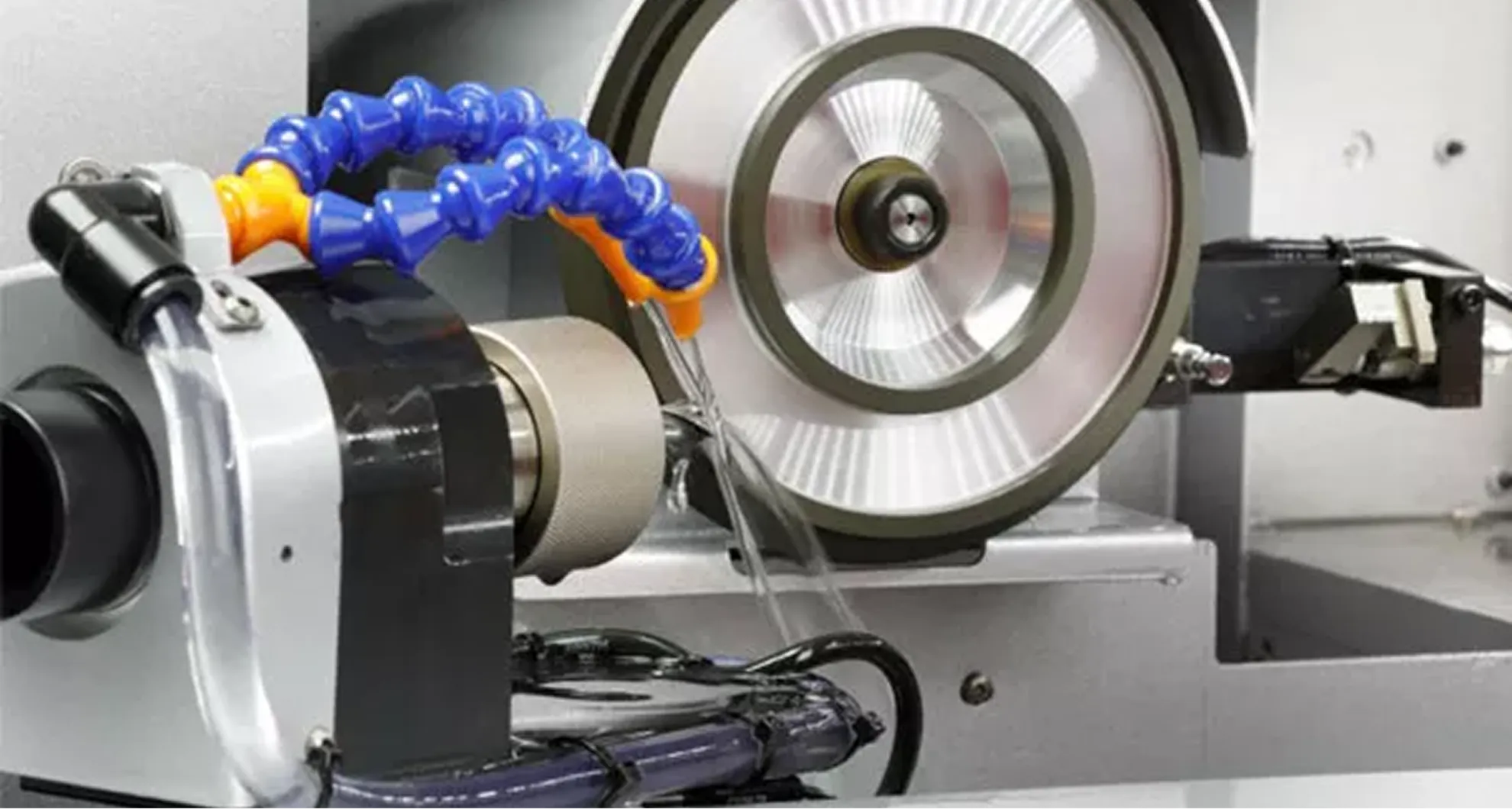
Tool & Cutter Grinder

Engineered to restore and sharpen precision tools, this grinder ensures cutting performance stays sharp and reliable. From end mills to custom cutters, it keeps tools in peak condition for maximum efficiency.

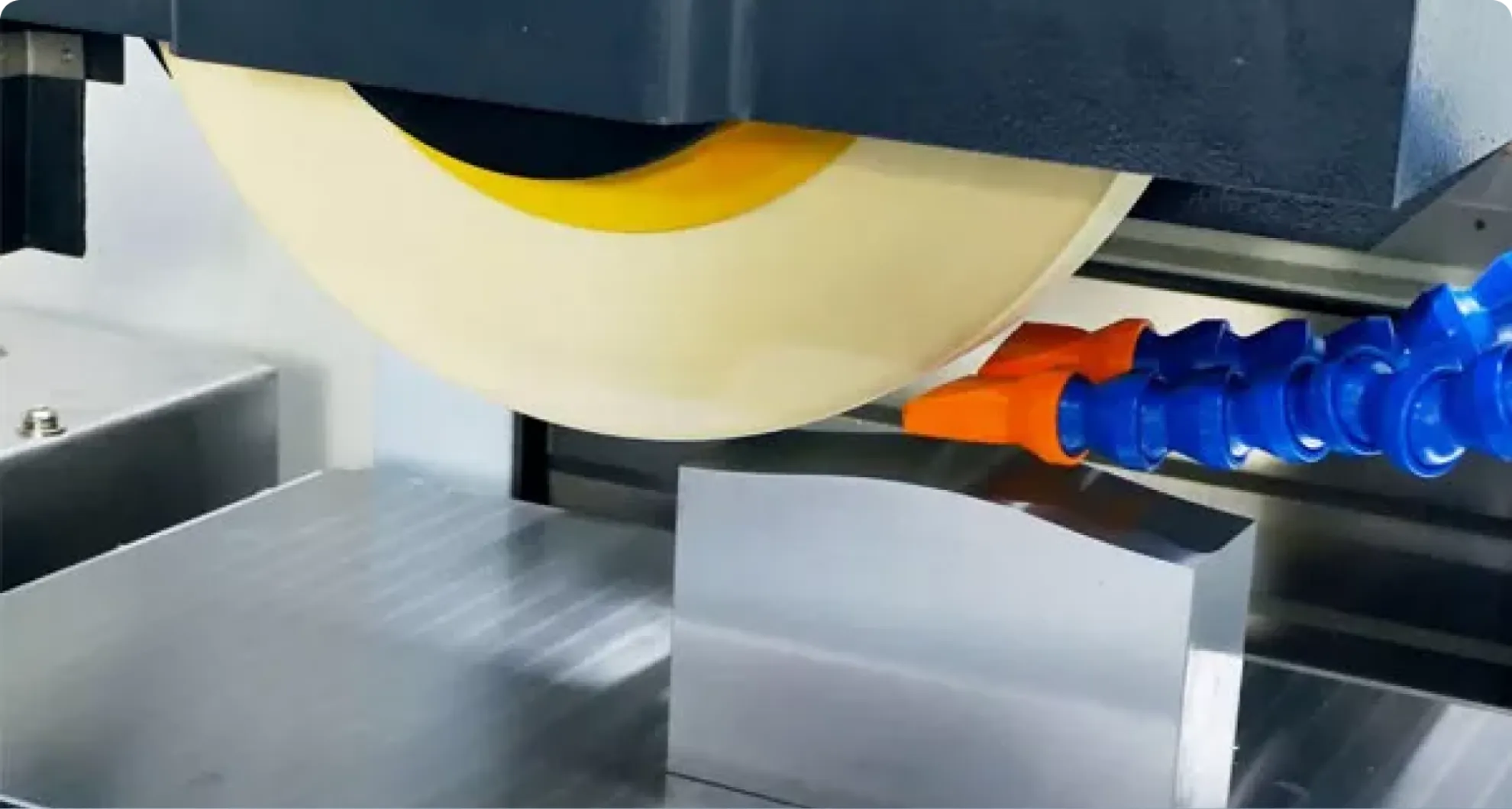
Surface Grinder

Designed for unmatched flatness, the surface grinder delivers smooth finishes and tight tolerances. It’s ideal for parts that demand accuracy across large, flat surfaces without compromise.

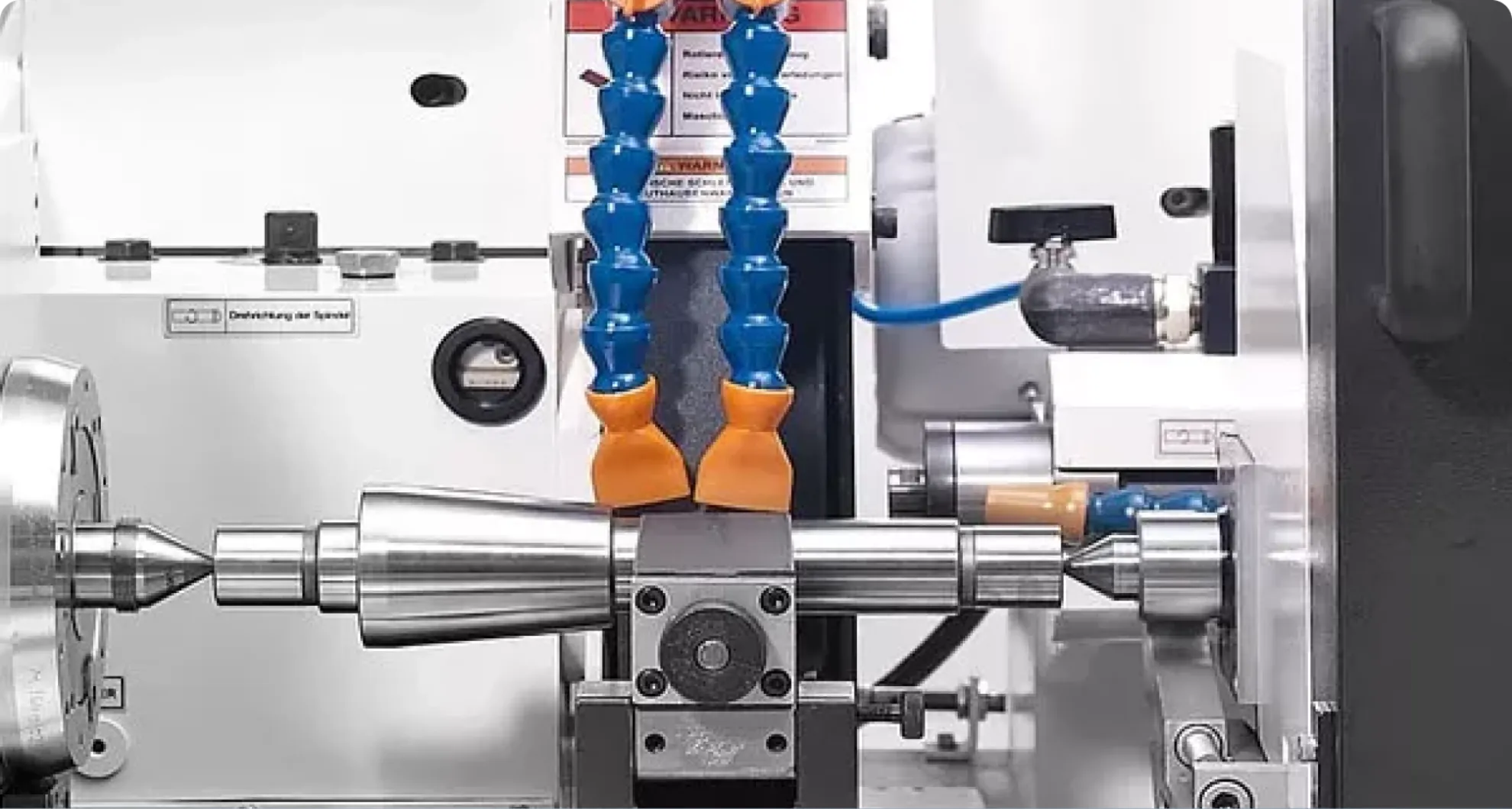
Cylindrical Grinder

This machine specializes in shaping and finishing round components with extreme precision. Perfect for shafts, pins, and spindles, it guarantees accuracy along the entire workpiece.

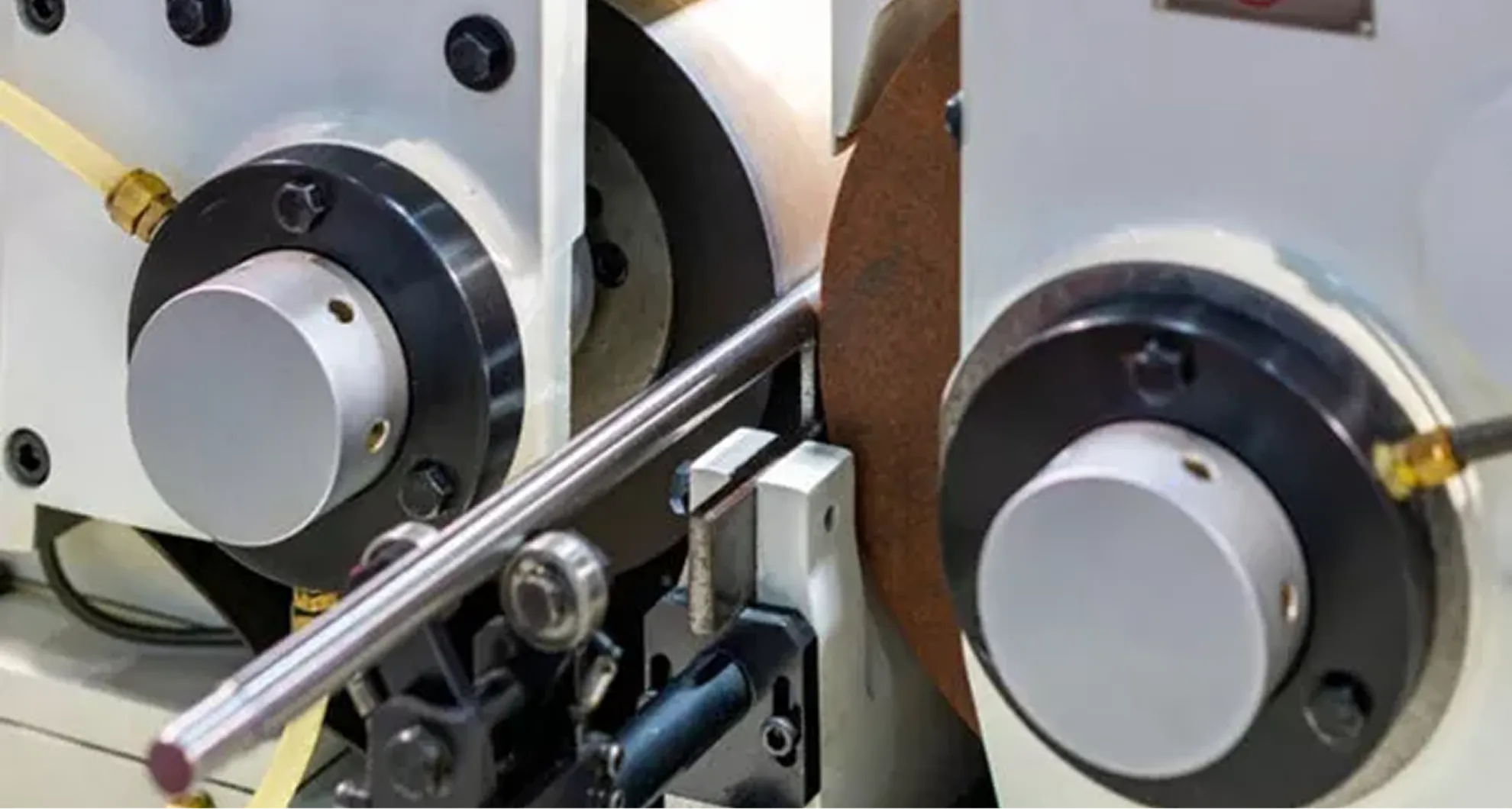
Centerless Grinder

High-speed production meets consistent results with our centerless grinder. By eliminating the need for centers or fixtures, it achieves tighter tolerances at scale while reducing turnaround times.

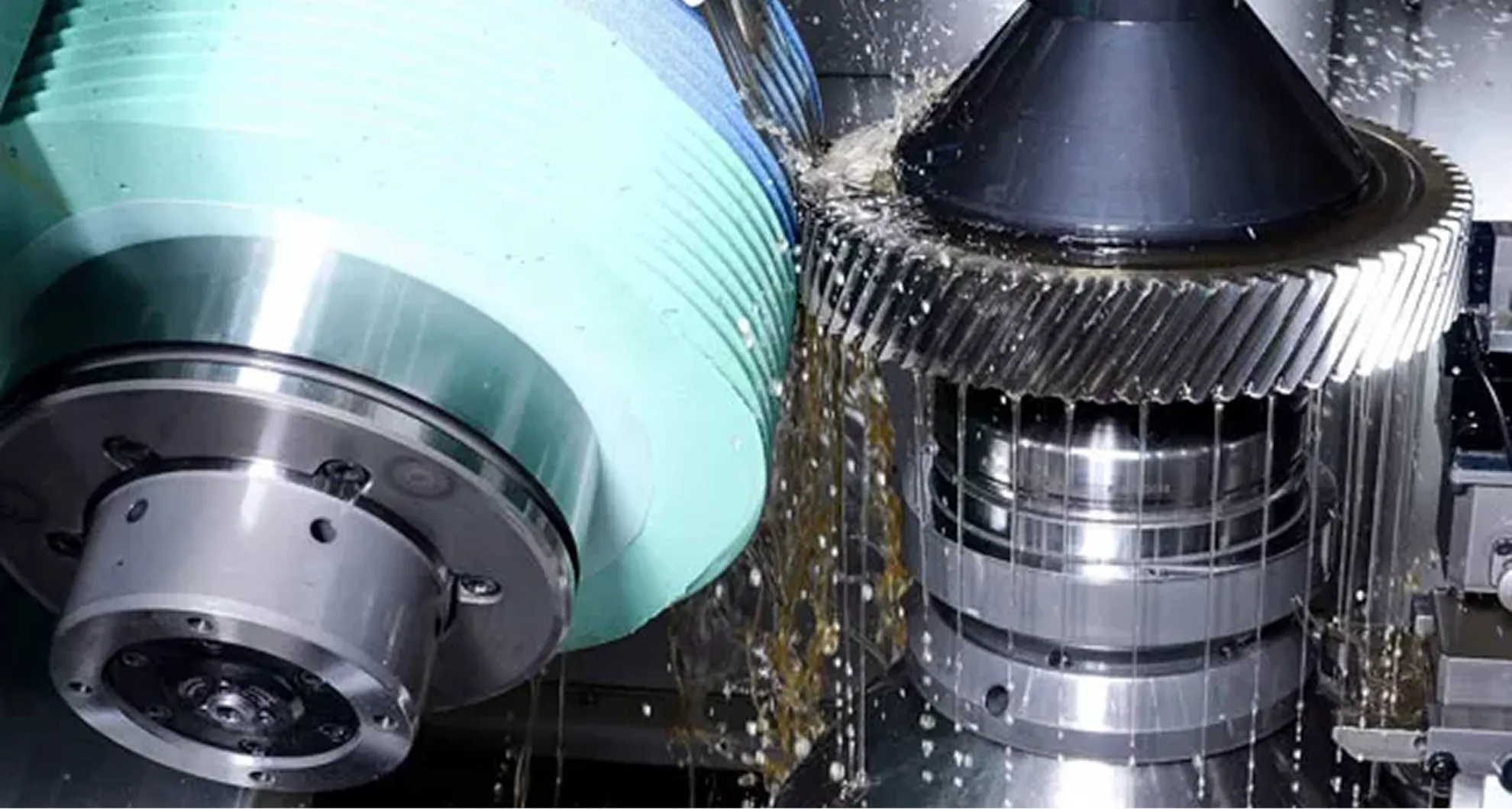
Gear Grinder

Built for accuracy in gear manufacturing, this equipment produces flawless tooth profiles and smooth finishes. It ensures gears perform reliably under heavy loads and demanding applications.

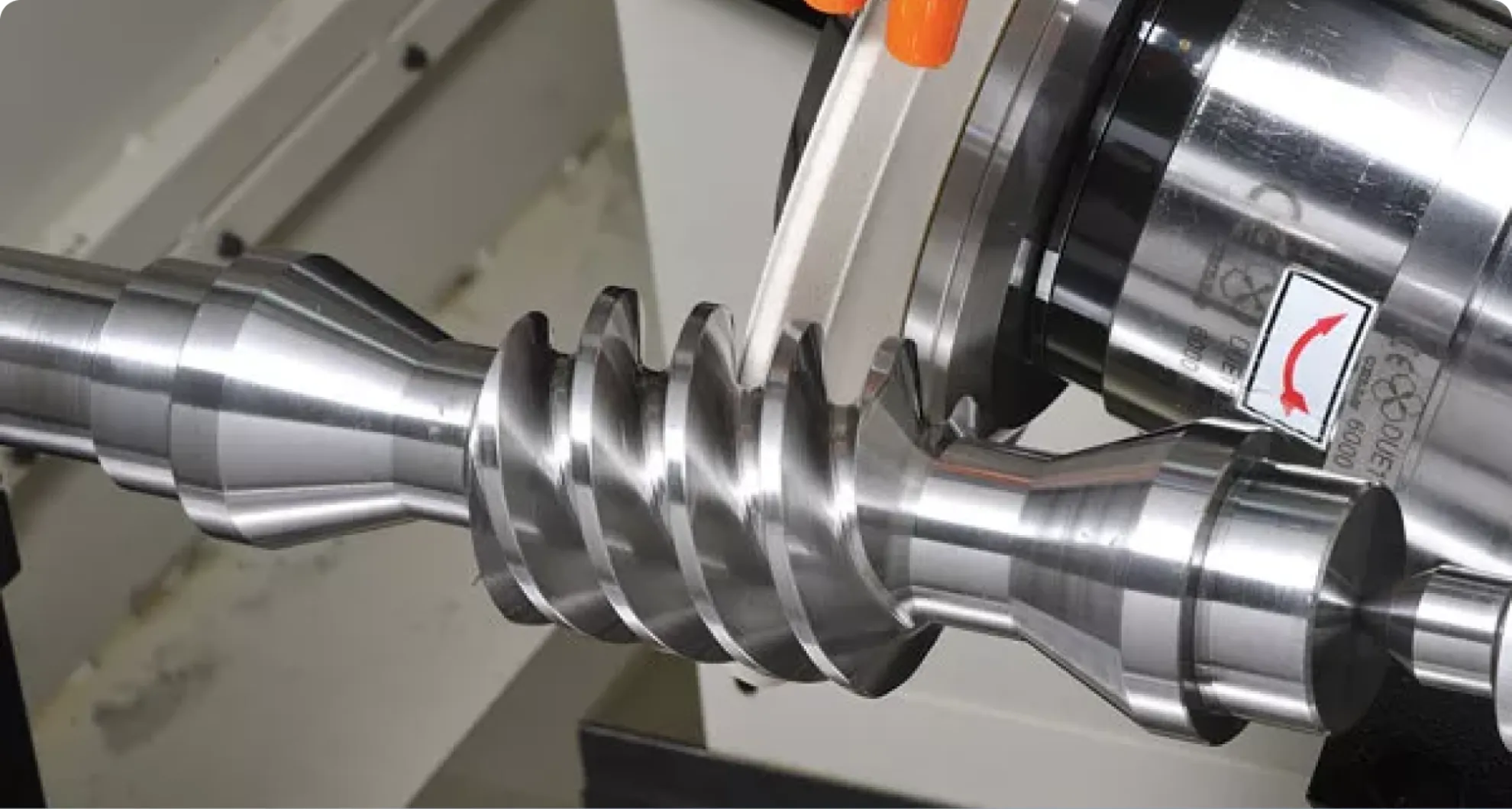
Thread Grinder

When precision threads are essential, the thread grinder delivers flawless form and pitch accuracy. From aerospace to automotive applications, it guarantees reliable fits and long-lasting performance.

CNC Routing Material

Choose from an extensive range of materials for your CNC projects. With access to 50+ metals and plastics, we provide instant machining quotes and precise results across every order. Whether you need lightweight aluminum, durable stainless steel, or high-performance engineering plastics, our routing capabilities ensure accuracy, consistency, and fast delivery.

Metals

Aluminum

Aluminum alloys have good strength-to-weight ratio, high thermal and electrical conductivity, low density and natural corrosion resistance. Can be anodized.

Alloys

Aluminum 7075-T7351 | 3.4365 | 76528 | AlZn5.5MgCu Aluminum 7075-T7351 | 3.4365 | 76528 | AlZn5.5MgCu Aluminum 6061-T651 | 3.3211 | 65028 | AlMg1SiCu Aluminum 7075-T651 | 3.4365 | 76528 | AlZn5.5MgCu Aluminum 6082-T651 | 3.2315 | 64430 | AlSi1MgMn

Aluminum

Aluminum alloys have good strength-to-weight ratio, high thermal and electrical conductivity, low density and natural corrosion resistance. Can be anodized.

Alloys

Aluminum 7075-T7351 | 3.4365 | 76528 | AlZn5.5MgCu Aluminum 7075-T7351 | 3.4365 | 76528 | AlZn5.5MgCu Aluminum 6061-T651 | 3.3211 | 65028 | AlMg1SiCu Aluminum 7075-T651 | 3.4365 | 76528 | AlZn5.5MgCu Aluminum 6082-T651 | 3.2315 | 64430 | AlSi1MgMn

Aluminum

Aluminum alloys have good strength-to-weight ratio, high thermal and electrical conductivity, low density and natural corrosion resistance. Can be anodized.

Alloys

Aluminum 7075-T7351 | 3.4365 | 76528 | AlZn5.5MgCu Aluminum 7075-T7351 | 3.4365 | 76528 | AlZn5.5MgCu Aluminum 6061-T651 | 3.3211 | 65028 | AlMg1SiCu Aluminum 7075-T651 | 3.4365 | 76528 | AlZn5.5MgCu Aluminum 6082-T651 | 3.2315 | 64430 | AlSi1MgMn

Aluminum

Aluminum alloys have good strength-to-weight ratio, high thermal and electrical conductivity, low density and natural corrosion resistance. Can be anodized.

Alloys

Aluminum 7075-T7351 | 3.4365 | 76528 | AlZn5.5MgCu Aluminum 7075-T7351 | 3.4365 | 76528 | AlZn5.5MgCu Aluminum 6061-T651 | 3.3211 | 65028 | AlMg1SiCu Aluminum 7075-T651 | 3.4365 | 76528 | AlZn5.5MgCu Aluminum 6082-T651 | 3.2315 | 64430 | AlSi1MgMn

Aluminum

Aluminum alloys have good strength-to-weight ratio, high thermal and electrical conductivity, low density and natural corrosion resistance. Can be anodized.

Alloys

Aluminum 7075-T7351 | 3.4365 | 76528 | AlZn5.5MgCu Aluminum 7075-T7351 | 3.4365 | 76528 | AlZn5.5MgCu Aluminum 6061-T651 | 3.3211 | 65028 | AlMg1SiCu Aluminum 7075-T651 | 3.4365 | 76528 | AlZn5.5MgCu Aluminum 6082-T651 | 3.2315 | 64430 | AlSi1MgMn

Aluminum

Aluminum alloys have good strength-to-weight ratio, high thermal and electrical conductivity, low density and natural corrosion resistance. Can be anodized.

Alloys

Aluminum 7075-T7351 | 3.4365 | 76528 | AlZn5.5MgCu Aluminum 7075-T7351 | 3.4365 | 76528 | AlZn5.5MgCu Aluminum 6061-T651 | 3.3211 | 65028 | AlMg1SiCu Aluminum 7075-T651 | 3.4365 | 76528 | AlZn5.5MgCu Aluminum 6082-T651 | 3.2315 | 64430 | AlSi1MgMn

Aluminum

Aluminum alloys have good strength-to-weight ratio, high thermal and electrical conductivity, low density and natural corrosion resistance. Can be anodized.

Alloys

Aluminum 7075-T7351 | 3.4365 | 76528 | AlZn5.5MgCu Aluminum 7075-T7351 | 3.4365 | 76528 | AlZn5.5MgCu Aluminum 6061-T651 | 3.3211 | 65028 | AlMg1SiCu Aluminum 7075-T651 | 3.4365 | 76528 | AlZn5.5MgCu Aluminum 6082-T651 | 3.2315 | 64430 | AlSi1MgMn

Aluminum

Aluminum alloys have good strength-to-weight ratio, high thermal and electrical conductivity, low density and natural corrosion resistance. Can be anodized.

Alloys

Aluminum 7075-T7351 | 3.4365 | 76528 | AlZn5.5MgCu Aluminum 7075-T7351 | 3.4365 | 76528 | AlZn5.5MgCu Aluminum 6061-T651 | 3.3211 | 65028 | AlMg1SiCu Aluminum 7075-T651 | 3.4365 | 76528 | AlZn5.5MgCu Aluminum 6082-T651 | 3.2315 | 64430 | AlSi1MgMn

Aluminum

Aluminum alloys have good strength-to-weight ratio, high thermal and electrical conductivity, low density and natural corrosion resistance. Can be anodized.

Alloys

Aluminum 7075-T7351 | 3.4365 | 76528 | AlZn5.5MgCu Aluminum 7075-T7351 | 3.4365 | 76528 | AlZn5.5MgCu Aluminum 6061-T651 | 3.3211 | 65028 | AlMg1SiCu Aluminum 7075-T651 | 3.4365 | 76528 | AlZn5.5MgCu Aluminum 6082-T651 | 3.2315 | 64430 | AlSi1MgMn

Aluminum

Aluminum alloys have good strength-to-weight ratio, high thermal and electrical conductivity, low density and natural corrosion resistance. Can be anodized.

Alloys

Aluminum 7075-T7351 | 3.4365 | 76528 | AlZn5.5MgCu Aluminum 7075-T7351 | 3.4365 | 76528 | AlZn5.5MgCu Aluminum 6061-T651 | 3.3211 | 65028 | AlMg1SiCu Aluminum 7075-T651 | 3.4365 | 76528 | AlZn5.5MgCu Aluminum 6082-T651 | 3.2315 | 64430 | AlSi1MgMn

CNC Grinding Surface Finishes

We provide instant quotes for multiple post-machining surface finishes.

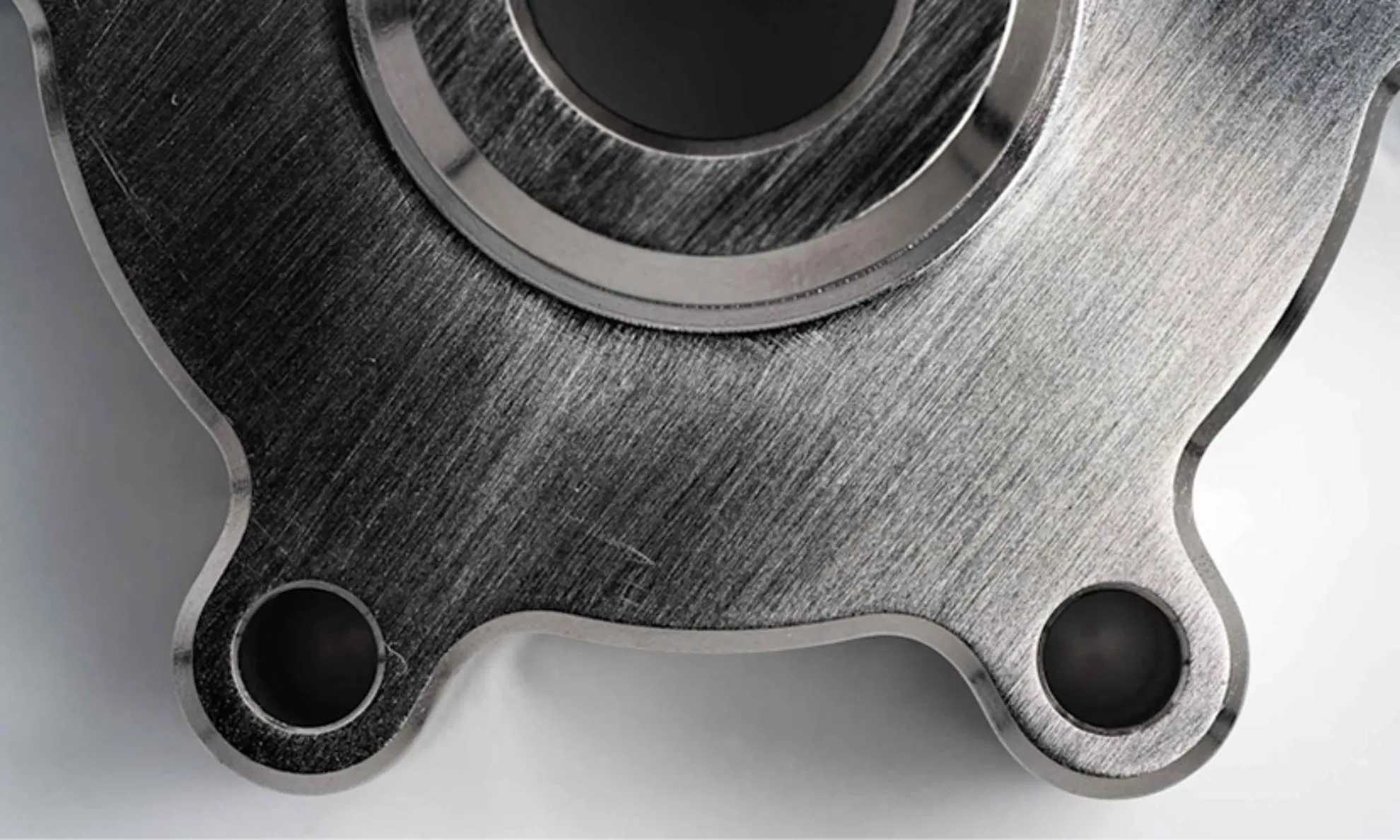
As Machined

As machined finish leaves the surface straight from the CNC machine, providing a cost-effective option with tool marks.

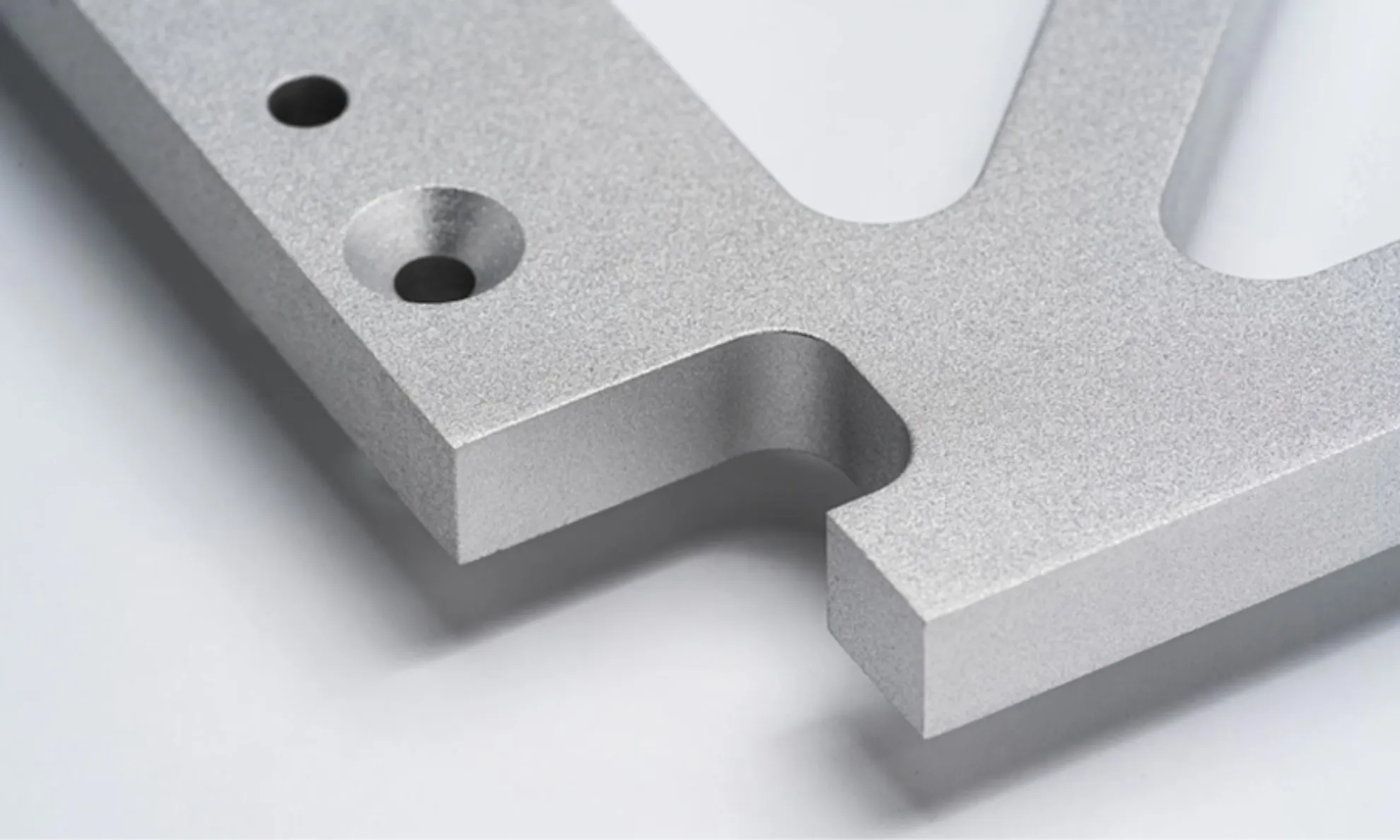
Bead Blasting

Bead blasting uses fine glass beads to create a smooth, matte surface finish, reducing glare while giving parts a uniform, professional look.

Anodizing (Type II)

Anodizing adds a thin oxide layer to aluminum parts, improving corrosion resistance and offering multiple color options with an attractive finish.

Hard Anodizing (Type III)

Hard anodizing creates a thicker, durable oxide coating that enhances wear resistance, making it suitable for aerospace and industrial applications.

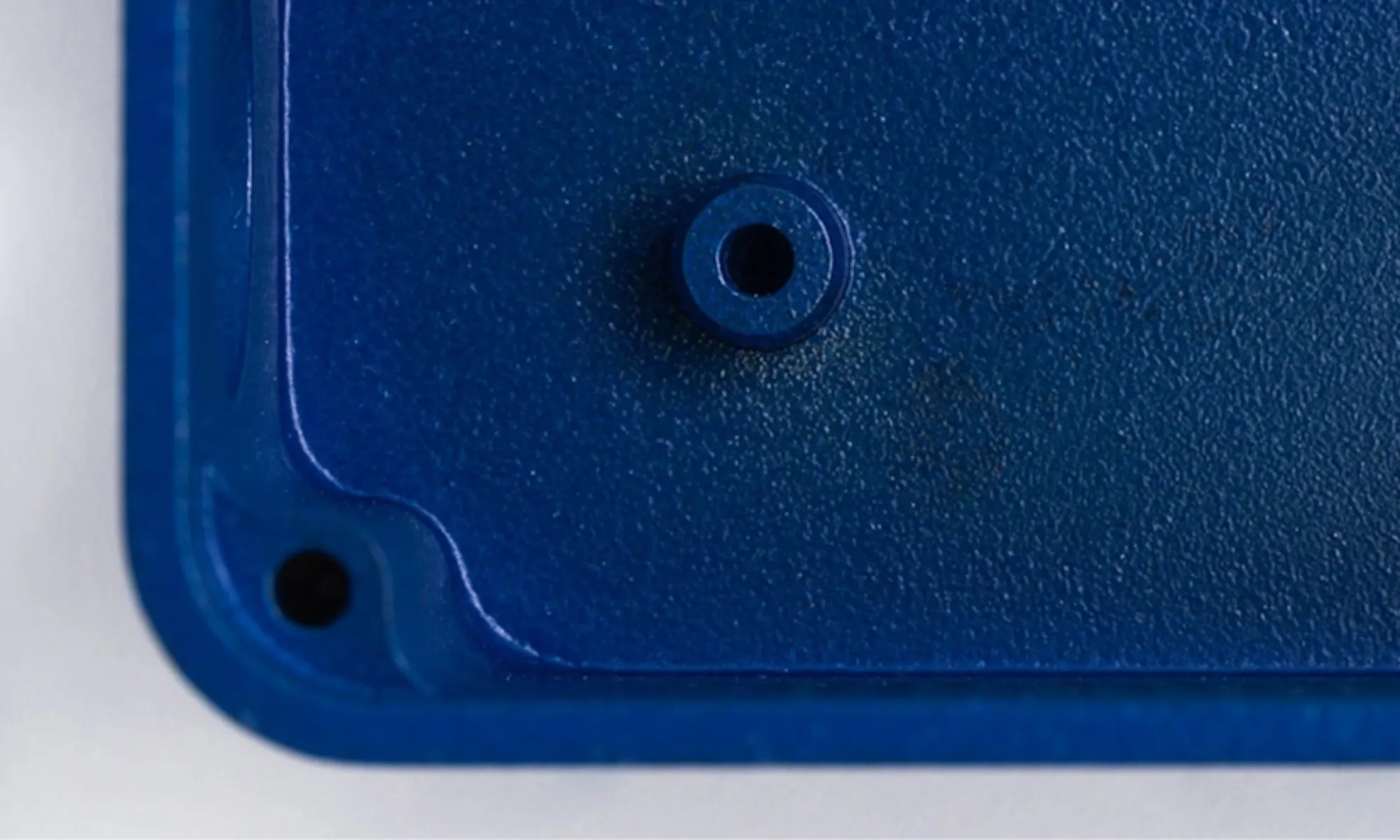
Powder Coating

Powder coating applies a baked-on layer that protects parts against wear and chemicals, while also offering a wide range of color choices.

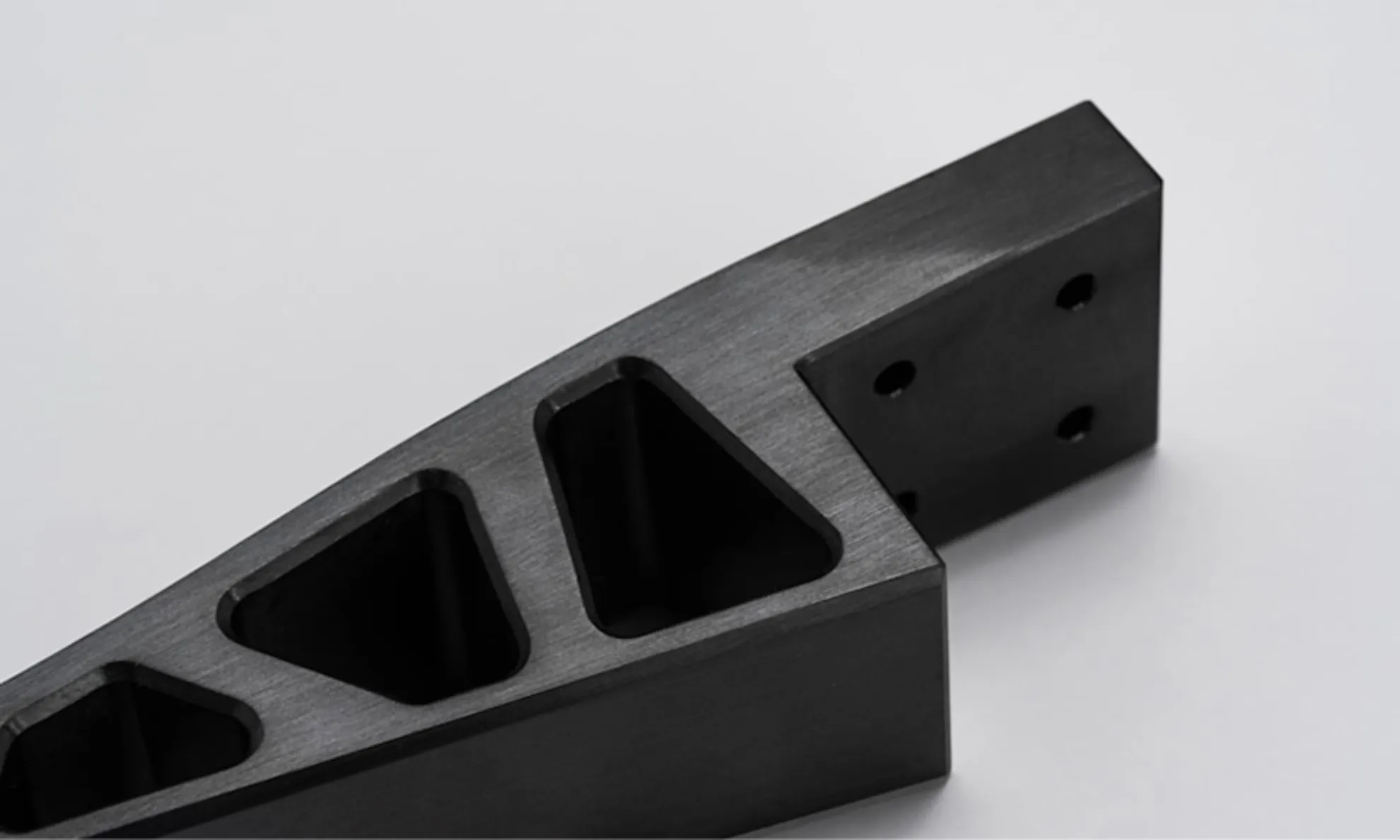
Brushing

Brushing produces a uniform linear surface texture, removing minor imperfections and giving parts a premium, high-quality metallic look.

Polishing

Polishing smooths the surface to a mirror-like finish, improving both appearance and cleanliness, ideal for consumer or decorative components.

Electroplating

Electroplating applies a thin metal layer like nickel or chrome, enhancing corrosion resistance, surface strength, and overall visual appeal.

Gallery of CNC machined parts

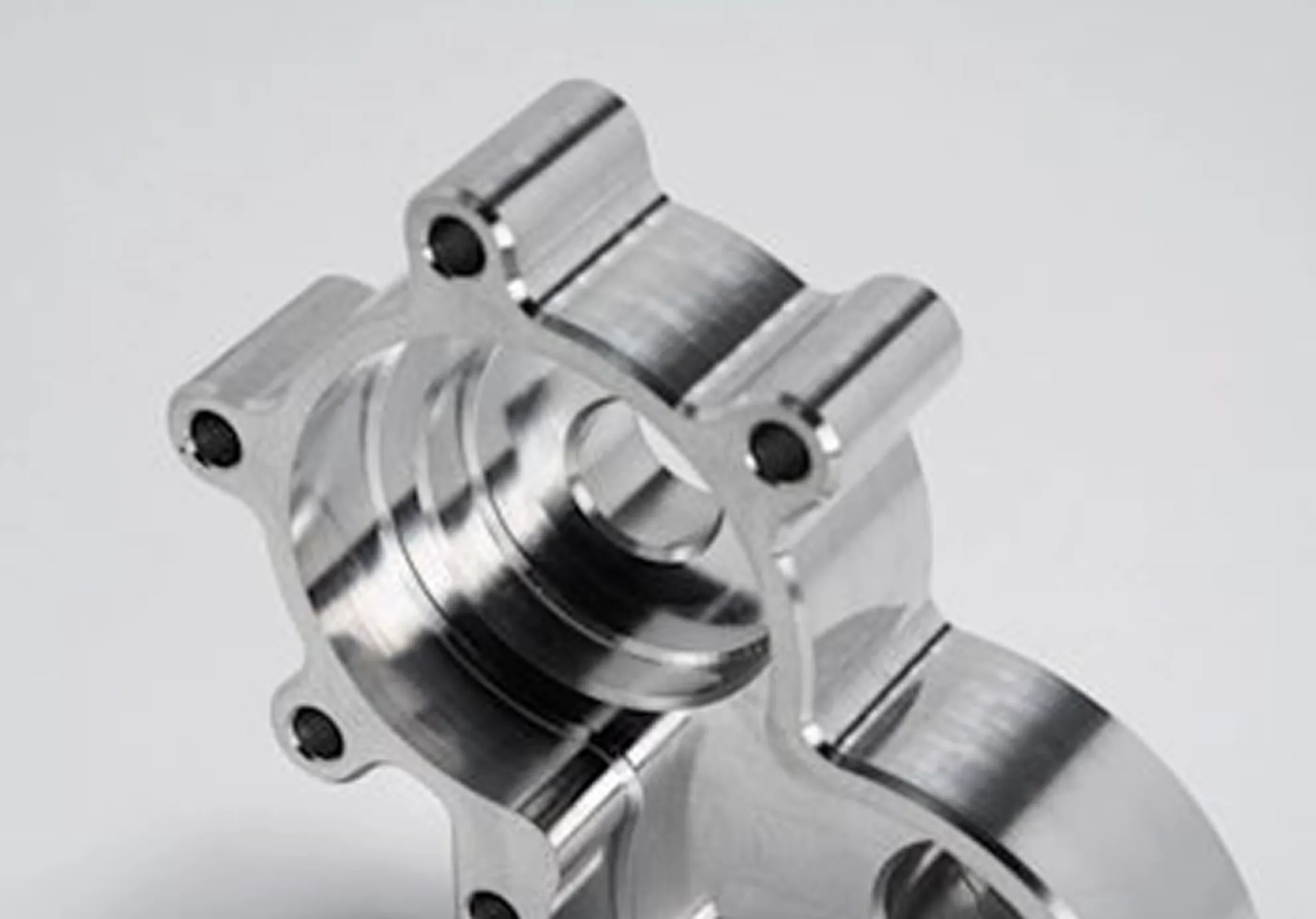
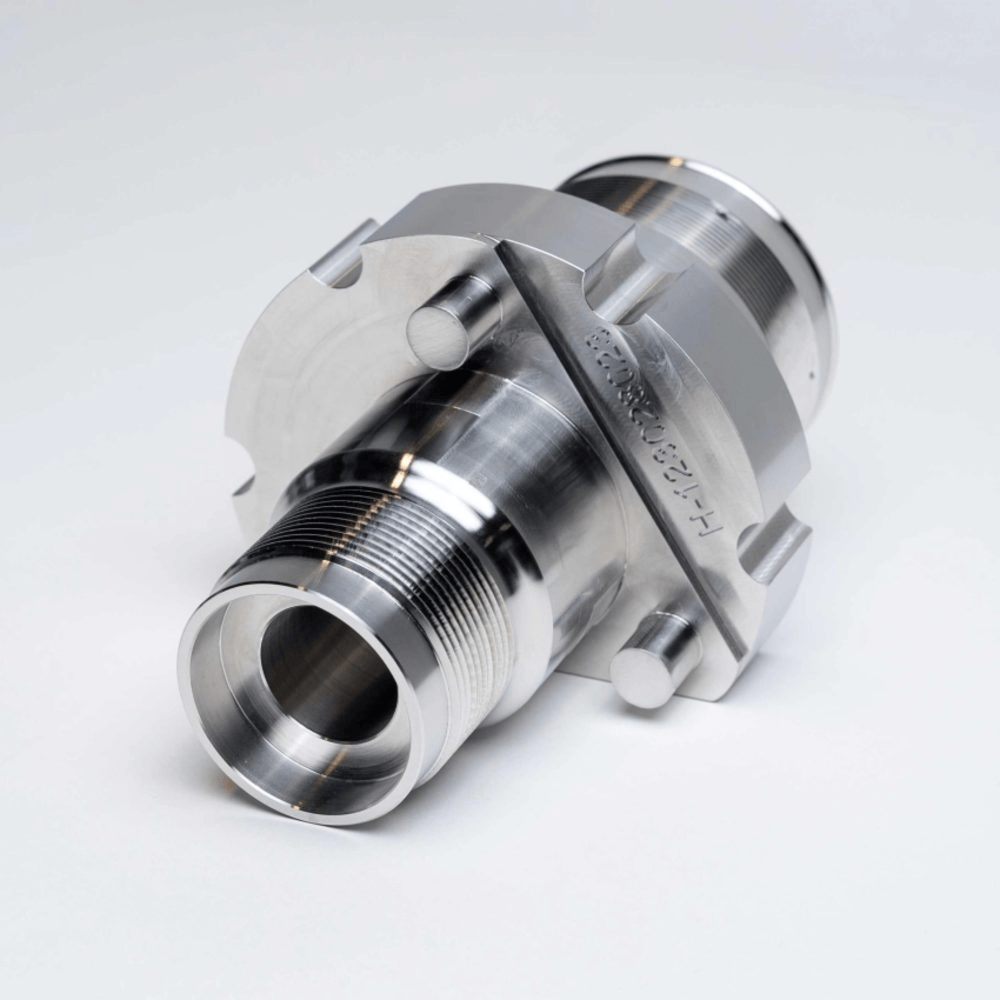
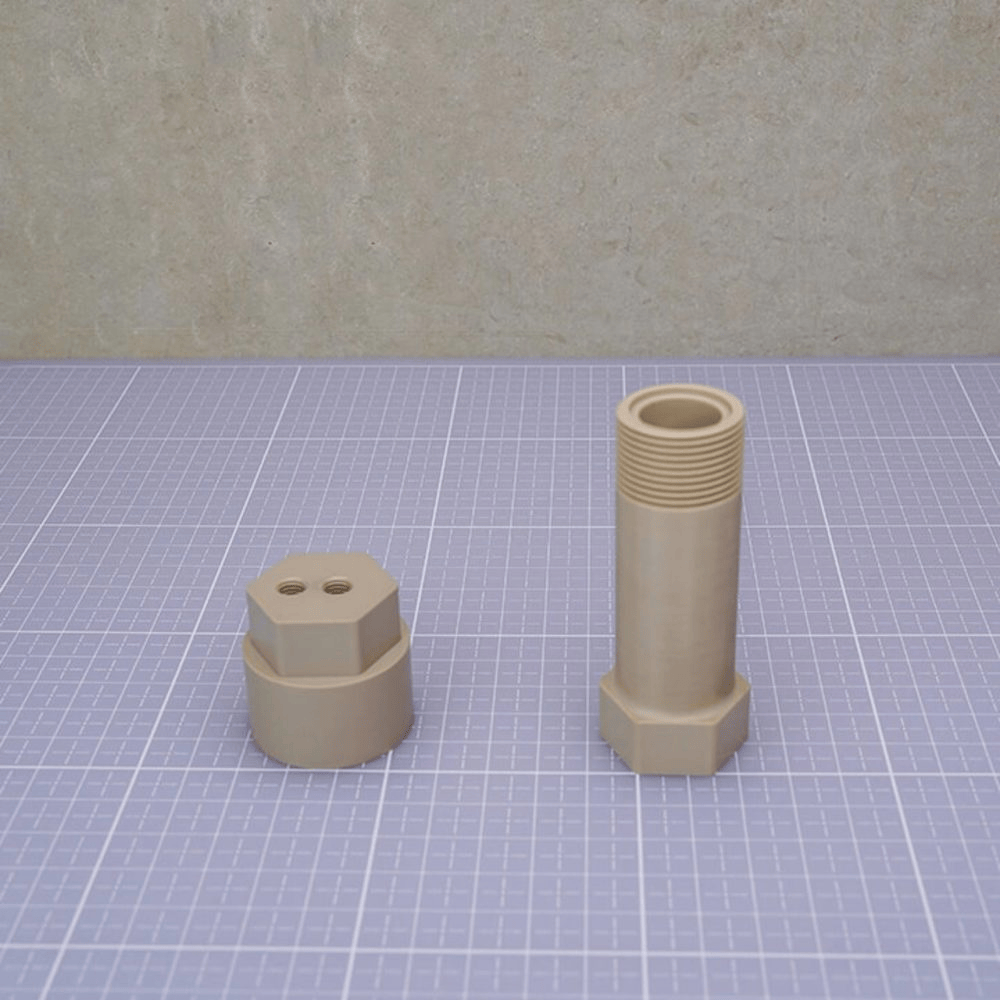
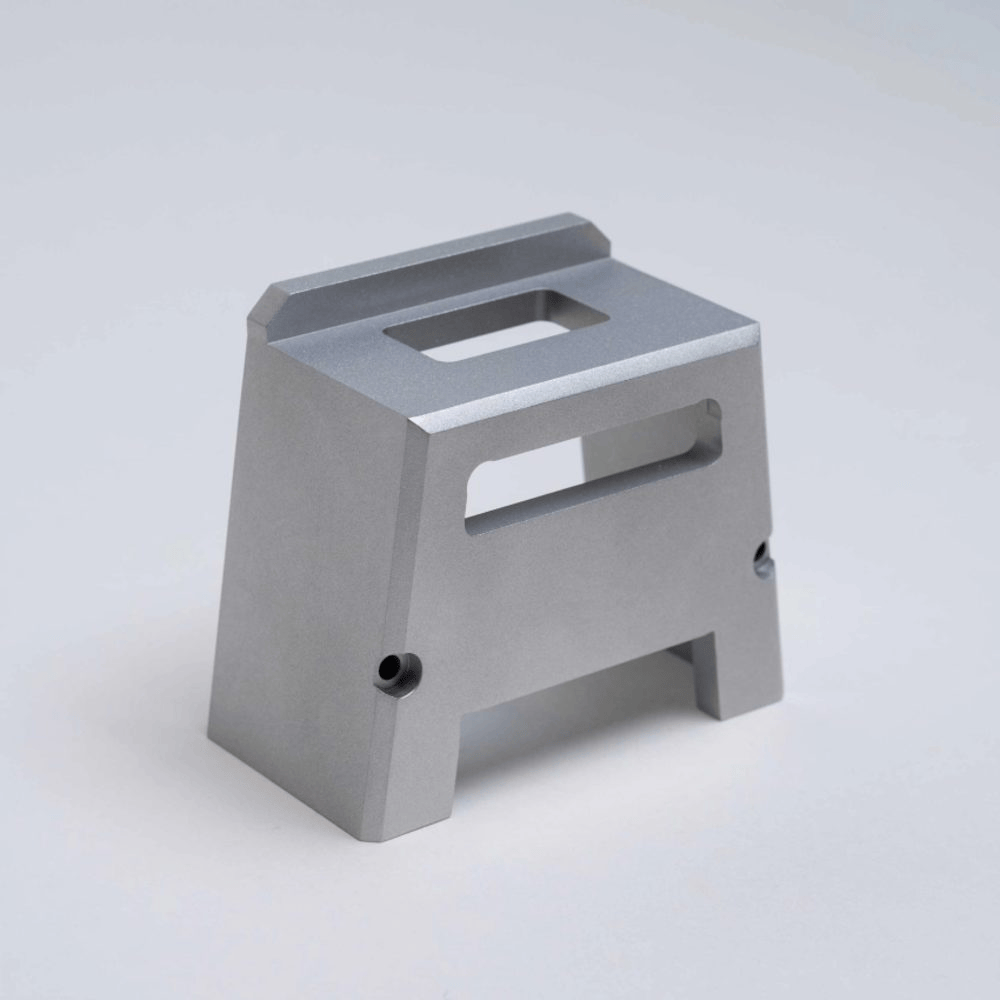
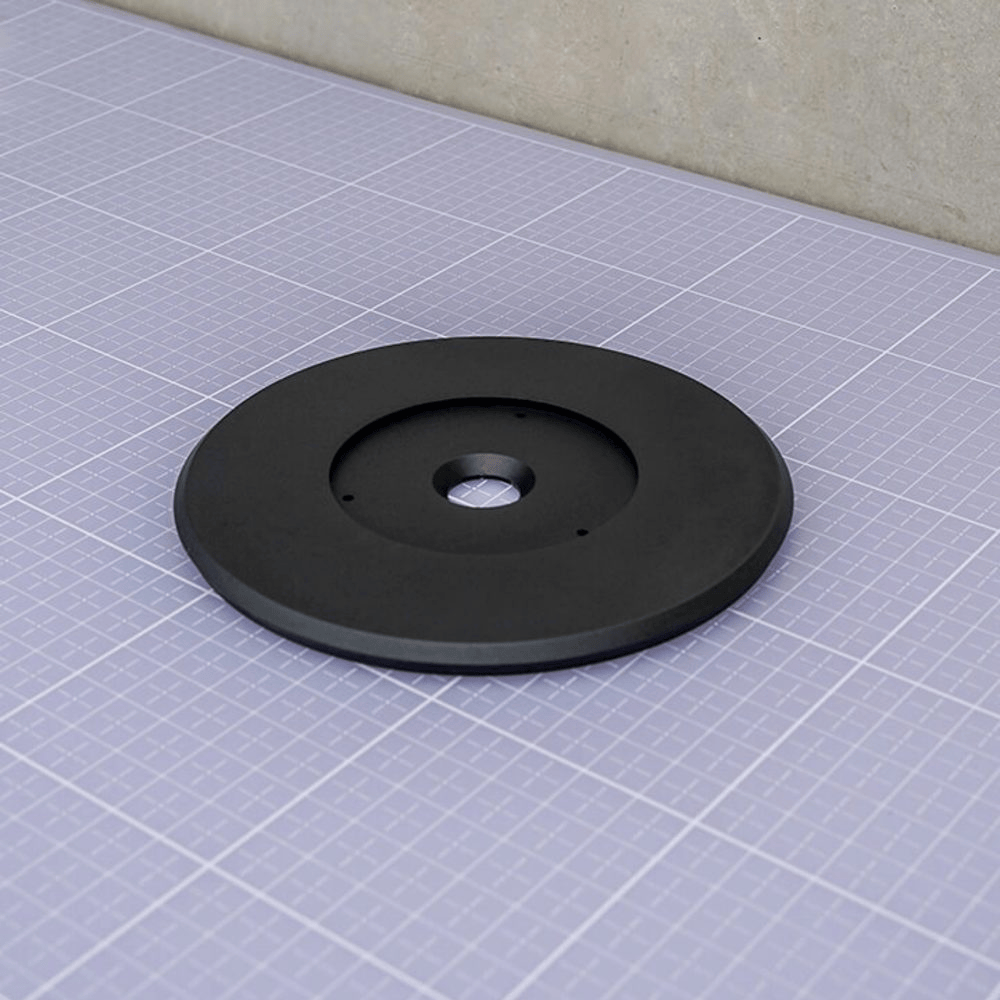
Explore our gallery showcasing high-precision CNC machined parts crafted with accuracy and consistency. Each component reflects OD Precision’s commitment to quality, performance, and detail.

Our Strength

Delivering precision, speed, and reliability is at the core of OD Precision. With advanced facilities, skilled teams, and global reach, we power innovation across industries.

A large-scale facility

0 +

m

A skilled team of engineers
0 +

Employees

Cutting-edge CNC and inspection equipment
0 +

Advanced Machines

Trusted by global businesses
0 +

 Countries Served

Prototyping

Rapid Tooling

Rapid tooling bridges the gap between design and full-scale production by delivering molds and tools with speed, accuracy, and cost efficiency. Whether you’re creating prototypes, testing new designs, or preparing for limited runs, our advanced machining ensures every tool meets your exact specifications.
With high-quality materials and precision grinding, we produce durable tooling that supports consistent part performance. From small-batch projects to larger production needs, our rapid tooling services help you accelerate development, cut lead times, and bring products to market with confidence.

Production

Production Tooling

High-volume production demands more than just speed, it requires consistency, durability, and the confidence that every part will perform as intended. Our production solutions are designed to handle demanding schedules while maintaining the same precision as your very first prototype.
By combining advanced machining technology with certified quality systems, we deliver parts that meet strict industry standards while keeping your costs and lead times under control. From small batches to mass production, we ensure your projects stay on schedule without sacrificing accuracy.

Quality Inspection Process

Thorough evaluation of every raw material guarantees authenticity and a product qualification rate above 99%.

At OD Precision, quality isn’t just a step, it’s the backbone of our production. Every phase is engineered with accuracy, discipline, and uncompromising precision.

Incoming Material Check: Validate material certifications (composition, hardness). Examine raw dimensions and surface integrity.

In-Process Inspection: Track critical dimensions with calibrated tools (micrometers, CMM). Confirm tool condition and machine accuracy.

First-Article Inspection (FAI): Perform complete dimensional and geometric tolerance checks per drawing. Log results in a formal FAI report.

Final Inspection: Conduct 100% visual reviews for surface issues (burrs, scratches). Sample-test features (threads, bores) with gauges or CMM.

Documentation & Release: Attach full QC records and certifications. Only approve parts aligned with ISO 9001, ISO 13485, and IATF 16949 compliance.

Industries Solution

We’ve manufactured millions of parts for all sorts of applications, but we’re especially knowledgeable in these areas.

How CNC Grinding Works?

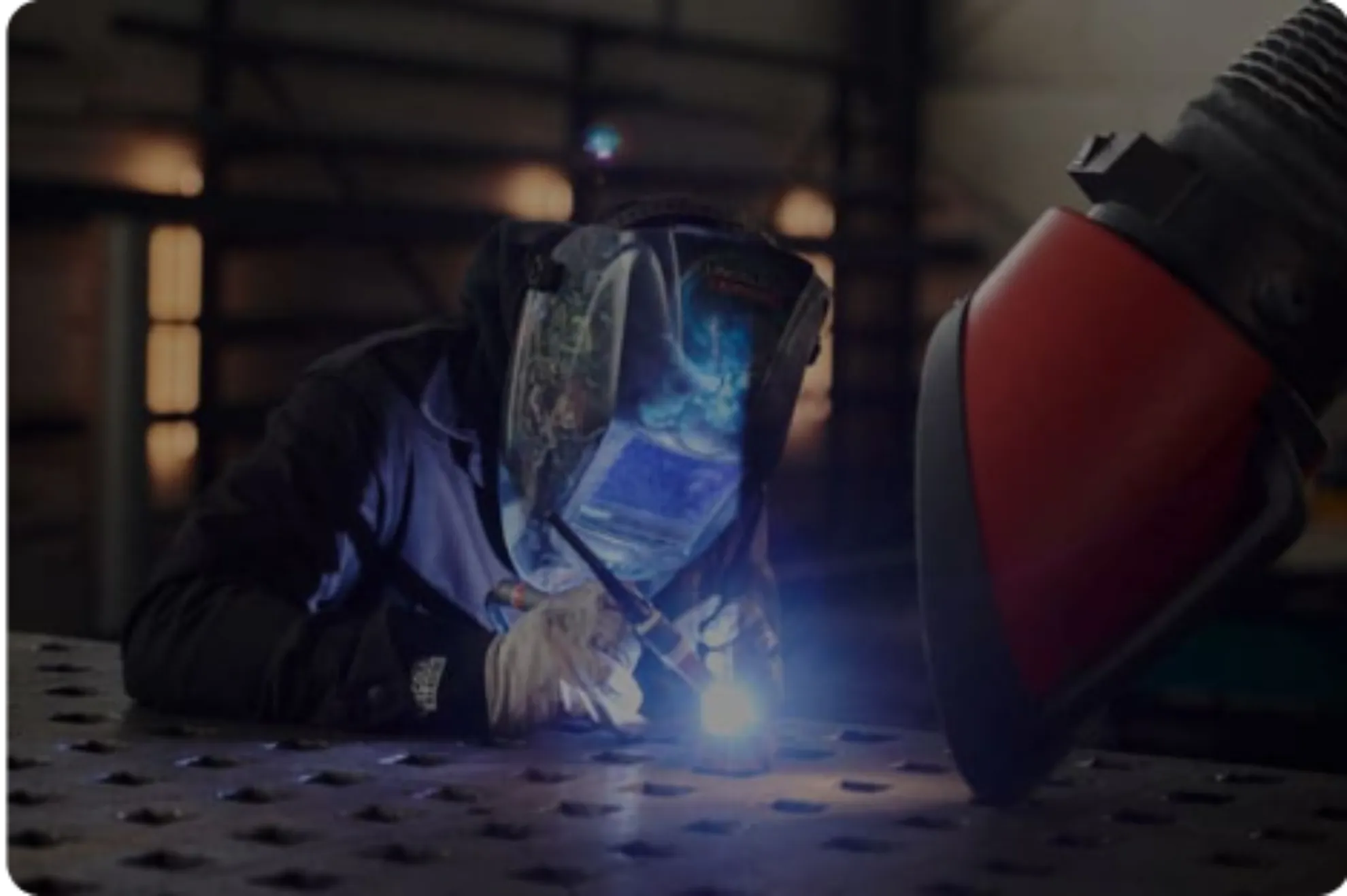
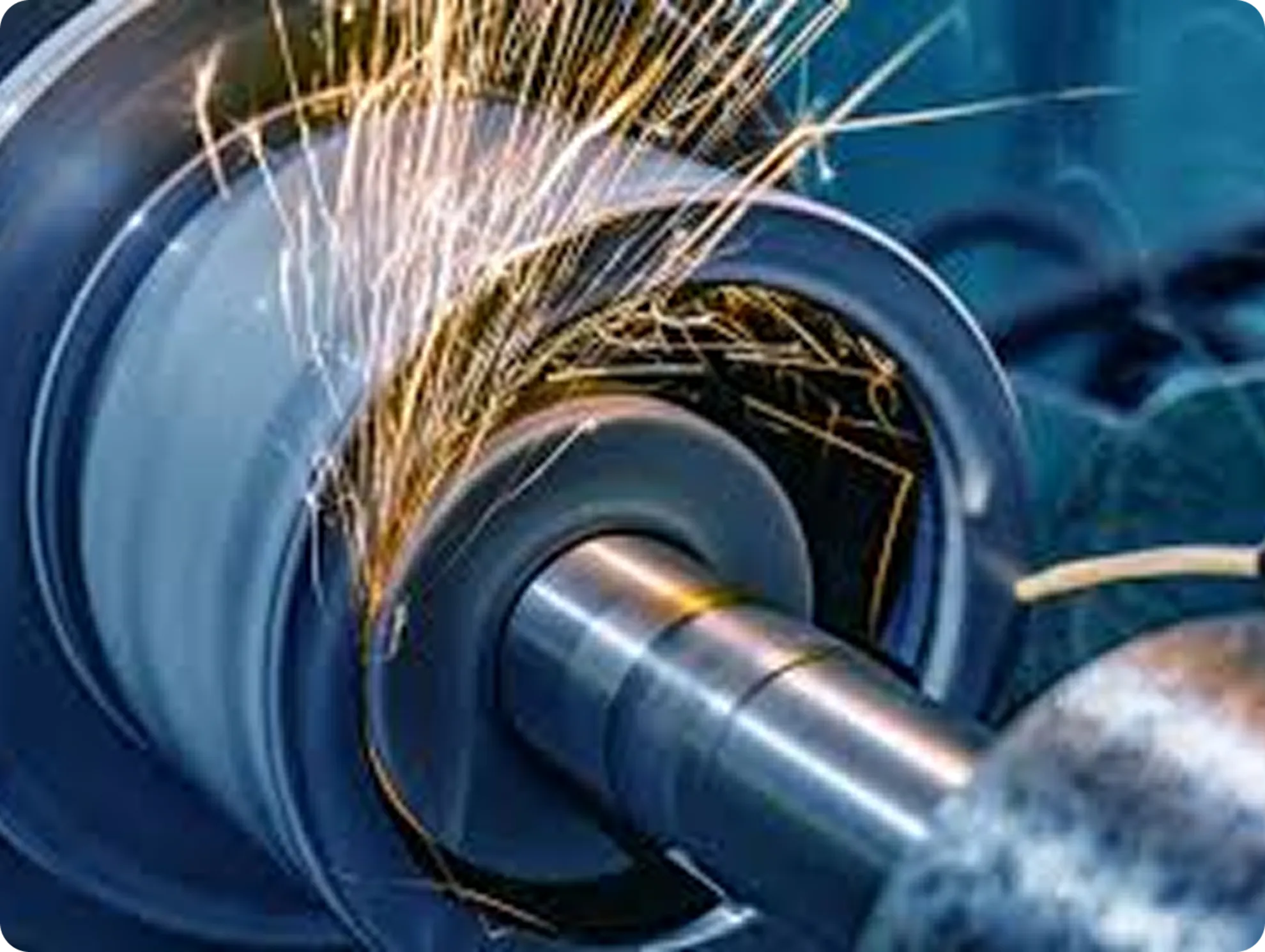
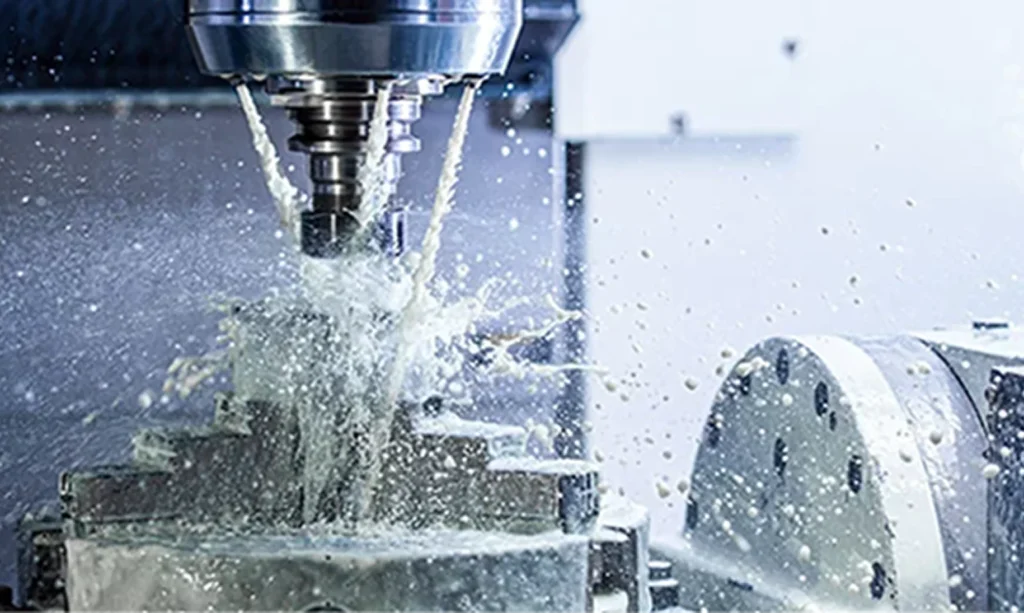
CNC grinding is a computer-controlled machining process that uses a rotating abrasive wheel to remove material from a workpiece with extreme precision. Unlike traditional cutting, the grinding wheel shaves away micro-level layers, allowing for ultra-smooth finishes and incredibly tight tolerances. The process is automated through CNC programming, which directs the machine’s movements across multiple axes, ensuring accuracy and repeatability in every cut.
The workpiece is mounted securely, while the grinding wheel moves at high speed to shape, sharpen, or polish the part according to the programmed design. This technology is capable of handling complex geometries, both external and internal, making it essential for industries where precision is critical, such as aerospace, automotive, medical devices, and tooling. By combining automation with abrasive precision, CNC grinding delivers consistent results at scale while minimizing human error and production waste.

Trusted by Hundreds of Leaders in the World's Most Demanding Industries

Our comprehensive design and manufacturing services are
trusted by the world’s leaders across several industries
because we’ve built a reputation for quality, precision, and
efficiency.
Get in touch with us today to see why we’ve earned their
repeat business time and time again.

Manufactured Using the Latest CNC Grinding Technologies

1. Ultra-Precision Surface Grinding

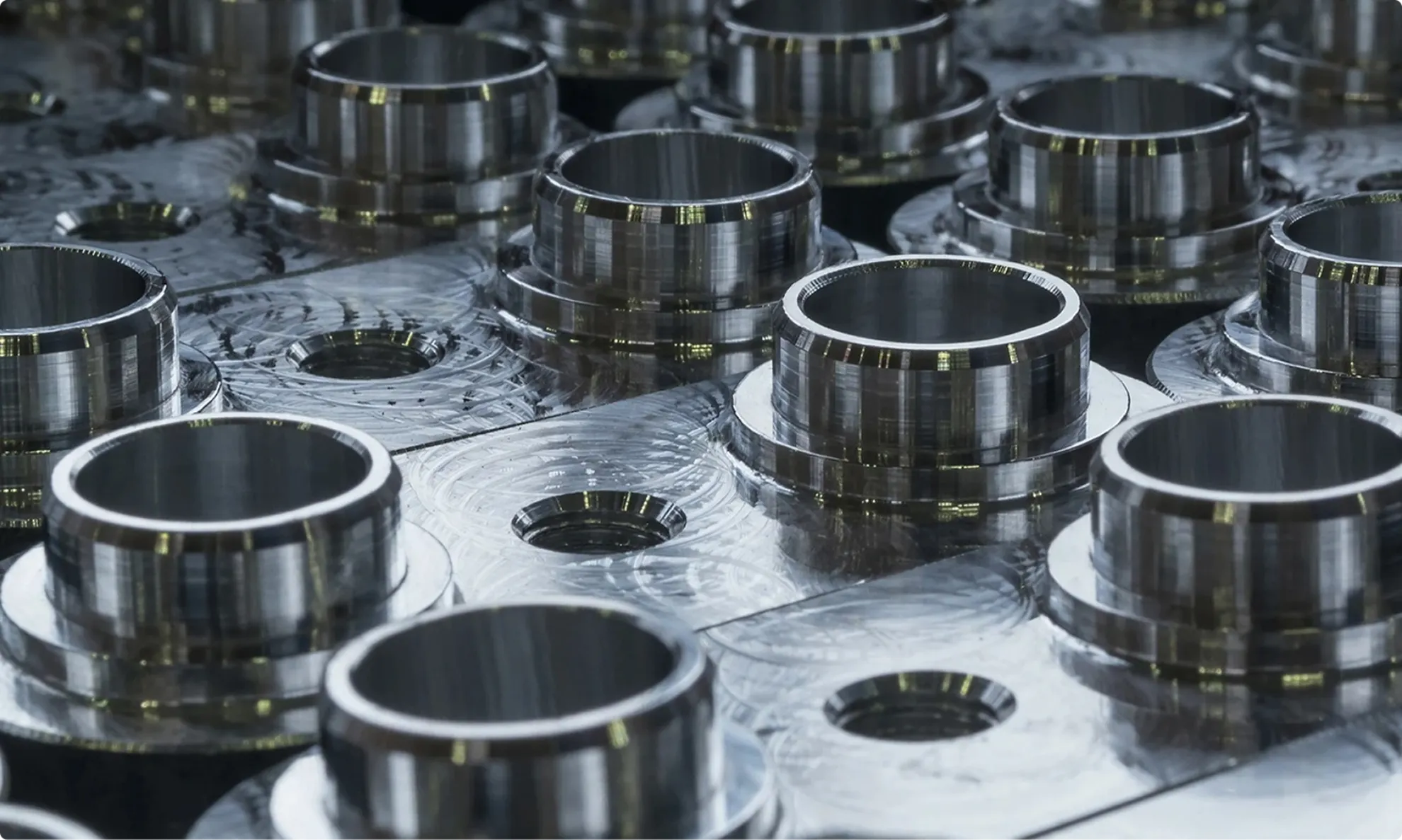
OD Precision’s CNC grinding machines deliver exceptional flatness, parallelism, and surface finish. With micron-level control, we achieve mirror-smooth surfaces ideal for high-performance molds, dies, and precision components.

Our multi-axis CNC grinders enable complex contours and tight-tolerance shapes to be ground with unmatched accuracy. Automated setups reduce human error, ensuring consistent precision across every production cycle.

Equipped with automatic wheel balancing, adaptive speed control, and precision coolant delivery, our grinding systems maintain stability and surface integrity. This technology extends tool life and guarantees superior dimensional accuracy.

Frequently Asked Questions

Explore our frequently asked questions to understand
more about CNC machining services and how we can
help you achieve your project goals.

Frequently Asked Questions

CNC Grinding

  • What is CNC grinding?

    CNC grinding is a machining process that uses computer numerical control to guide a high-speed abrasive wheel against a workpiece with extreme precision. Instead of removing material with a cutting edge like milling or turning, grinding uses abrasives to wear down material in micro layers. This allows the process to achieve incredibly fine finishes and extremely tight tolerances that are difficult to match with traditional machining techniques.

    The real advantage of CNC grinding lies in its ability to combine advanced automation with precision. The machine follows exact programming instructions, ensuring that every surface and feature is produced consistently from part to part. This makes it an essential process for industries that require absolute accuracy, such as aerospace, medical devices, and automotive manufacturing, where even the smallest deviation could affect performance or safety.

     

  • How does CNC grinding differ from conventional machining?

    Conventional machining processes like milling or turning remove material with sharp cutting tools, producing accurate results but often leaving behind tool marks or requiring additional finishing. CNC grinding, on the other hand, removes material using abrasive wheels that can produce surface finishes that are almost mirror-smooth. Because the material is removed gradually, CNC grinding can achieve dimensional tolerances within microns, which far surpasses the capabilities of most cutting processes.

    Another key difference is the ability of CNC grinding to handle hardened materials that would wear down cutting tools quickly. With grinding, even superalloys or heat-treated steels can be shaped and finished with precision. The automated nature of CNC control means every pass of the grinding wheel is repeatable, so the same part can be manufactured over and over with exact accuracy, something that is often harder to achieve with manual or conventional methods.
     

  • What types of CNC grinding processes are available?

    There are several methods of CNC grinding, each designed to handle a specific type of geometry or application. For example, OD grinding focuses on external cylindrical surfaces, while ID grinding is used for internal bores such as those in bearings or bushings. Surface grinding specializes in creating flat surfaces with precise thickness, while centerless grinding eliminates the need for fixtures, making it highly effective for producing cylindrical parts at high volumes. These processes allow manufacturers to select the most efficient method depending on the shape and function of the part being produced.

    Specialized methods such as gear grinding and tool grinding extend the capabilities further. Gear grinding creates accurate tooth profiles for gears that must run smoothly and quietly in mechanical systems, while tool grinding sharpens or shapes cutting tools to maintain their effectiveness. Each process brings unique strengths to the table, and together they make CNC grinding one of the most versatile machining solutions available for industries that require complex parts with precise dimensions.
     

  • What industries benefit the most from CNC grinding?

    CNC grinding is indispensable in industries where precision is a non-negotiable requirement. Aerospace manufacturers depend on it for producing engine shafts, landing gear parts, and turbine components that must withstand extreme stress while maintaining perfect balance. In the automotive industry, grinding is widely used for gears, transmission shafts, pistons, and fuel system components that must fit together seamlessly to ensure performance and reliability.

    In the medical field, CNC grinding plays a crucial role in producing surgical instruments, implants, and prosthetics where accuracy down to the smallest detail can affect patient outcomes. Beyond these sectors, energy, defense, and electronics manufacturers also rely on CNC grinding to produce parts with repeatable consistency and long-term durability. The process is so precise and reliable that it is often chosen for mission-critical applications where even the slightest error is unacceptable.
     

  • What materials can be processed with CNC grinding?

    One of the advantages of CNC grinding is its ability to work with a broad range of materials. Metals such as stainless steel, aluminum, titanium, copper, and brass are commonly ground to achieve smooth finishes and exact tolerances. Heat-treated steels and exotic alloys like Inconel, which are often used in aerospace and defense applications, can also be ground effectively without excessive tool wear. This makes grinding a go-to process for industries working with tough, high-strength materials that are otherwise difficult to machine.

    CNC grinding can also handle certain engineering plastics and composites, depending on the application. For example, high-performance plastics such as PEEK or nylon can be ground to produce precise features for medical or electronic components. The versatility of CNC grinding allows manufacturers to select the best material for their application without being limited by machining restrictions, making it one of the most flexible processes in modern manufacturing.
     

  • How accurate is CNC grinding?

    CNC grinding is known for delivering accuracy that is unmatched by most other machining processes. Depending on the equipment, wheel selection, and setup, tolerances as tight as ±0.0001 inches (2.5 microns) can be achieved. This level of precision makes CNC grinding particularly valuable for producing parts that must meet strict specifications, such as components for jet engines, precision bearings, and medical implants. The ability to work within such narrow tolerances ensures that parts will fit perfectly and perform reliably in their intended applications.

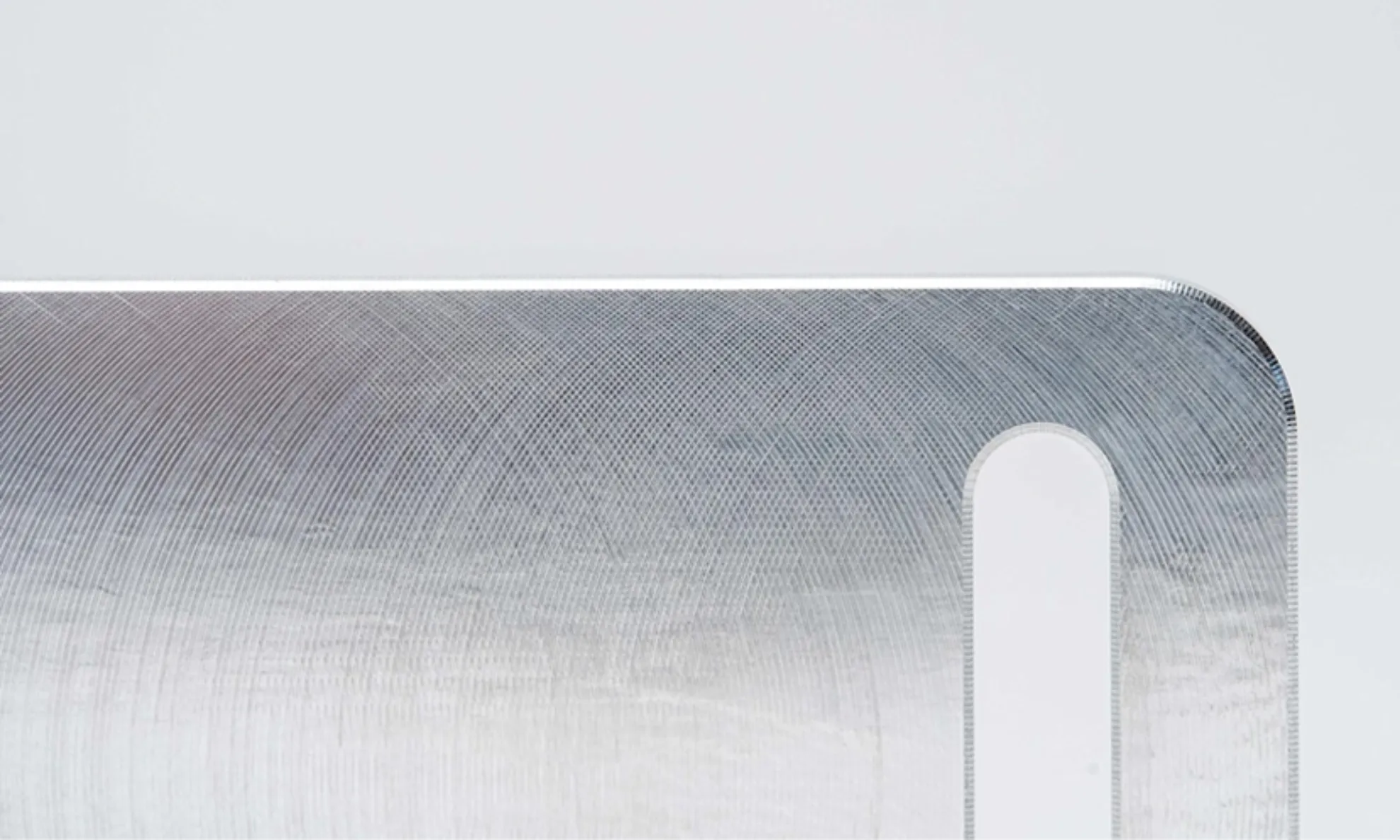
    Surface finishes achieved through grinding are equally impressive. The process can produce surfaces with Ra values as low as 0.1 microns, which is essentially mirror-like. This eliminates the need for secondary finishing in many cases, reducing costs and speeding up production. By combining fine finishes with exceptional dimensional control, CNC grinding ensures that manufacturers can produce parts that meet or exceed the highest industry standards.
     

  • What are the main benefits of CNC grinding?

    The greatest benefit of CNC grinding is the level of precision it offers. Parts can be produced with consistent accuracy, even when working with complex geometries or hardened materials. The process also delivers exceptional surface finishes, reducing the need for additional polishing or secondary machining. With CNC automation, the repeatability is extremely high, which means every part will meet the same exact specifications, even across large production runs.

    Another major advantage is its versatility. CNC grinding is capable of producing a wide variety of shapes and features, from flat surfaces and cylindrical forms to complex profiles. It can also handle a vast range of materials, including metals and high-performance plastics. For industries where reliability, quality, and efficiency are top priorities, CNC grinding stands out as one of the most effective manufacturing solutions available today.
     

  • How does CNC grinding support large-scale production?

    CNC grinding is highly adaptable, making it an excellent choice for both small-batch and large-scale production. In high-volume manufacturing, processes such as centerless grinding allow for rapid and continuous grinding of cylindrical components without the need for time-consuming setups. This makes it possible to produce thousands of identical parts quickly while maintaining accuracy. The automation of CNC controls further streamlines production by minimizing manual adjustments and reducing the risk of errors.

    At the same time, CNC grinding provides flexibility for smaller production runs or custom projects. The programming can be adjusted quickly, enabling manufacturers to switch between different part designs without major downtime. This combination of speed and flexibility makes CNC grinding a valuable resource for industries that need to balance efficiency with the ability to handle diverse projects and fluctuating production demands.
     

  • How does CNC grinding ensure quality and reliability?

    CNC grinding ensures quality through a combination of advanced machine technology, high-performance grinding wheels, and strict quality control processes. Modern CNC grinders are equipped with sensors and monitoring systems that track the process in real time, allowing for adjustments that maintain accuracy and prevent defects. This means that each part produced is consistent, even in demanding high-volume environments.

    In addition, many grinding facilities operate under internationally recognized quality certifications such as ISO 9001 and AS9100. These certifications require stringent inspections, material traceability, and documented processes that guarantee parts meet the required standards. Coordinate Measuring Machines (CMMs), surface testers, and other advanced tools are often used to verify dimensions and finishes before delivery. This level of oversight ensures that CNC grinding delivers parts that are not only precise but also reliable in performance and durability.
     

  • Is CNC grinding cost-effective compared to other machining methods?

    At first glance, CNC grinding may appear more expensive than conventional machining because it involves specialized machines and tooling. However, when you factor in the benefits of precision, reduced waste, and improved part quality, CNC grinding often proves to be more cost-effective in the long term. By producing parts that meet strict specifications the first time, grinding reduces the need for rework, secondary finishing, or rejected parts, which can be costly for manufacturers.

    CNC grinding also extends the lifespan of components by ensuring that they are manufactured to exact tolerances and surface finishes. This improves performance and reduces maintenance needs, especially in industries where parts are exposed to high stress. For companies that value reliability and long-term savings, CNC grinding provides a strong return on investment by combining accuracy with efficiency and durability.
     

Where Power Meets Precision

Every great product starts with the perfect balance of strength and accuracy. OD Precision combines advanced machinery with skilled expertise to deliver flawless parts that perform under the toughest conditions. From heavy-duty industrial components to high-precision prototypes, our team ensures every detail is measured, tested, and executed with confidence. With the right technology and a commitment to excellence, we give you manufacturing power you can trust. Partner with us and experience precision manufacturing that keeps your business moving forward.

How to work with US?

Upload a CAD File

Share your XT file & CAD drawings or part designs with us. Our engineers will carefully review your files to understand dimensions, tolerances, ensuring everything is ready for accurate production.

Get Quote 12 Hours

We’ll provide a detailed quote along with a free DFM (Design for Manufacturing) analysis. This helps optimize your design and guarantee high-quality results before moving to production.

Start Production

Once you approve the quote, our expert machinists and technicians start manufacturing your parts using advanced CNC equipment and strict quality control for precision and reliability.

Parts are Shipped!

After inspection and finishing, your custom parts are securely packaged and shipped straight to your doorstep, delivered on time and ready for use, no matter where you are.

Start Custom Parts Manufacturing

OD Precision is your trusted partner for high-quality prototypes and production-ready machined parts, no matter how simple or complex. Backed by ISO 9001 certification and years of expertise, we guarantee accuracy, consistency, and reliability in every project.

Full-Scale Production Manufacturing

OD Precision brings production-grade efficiency to precision grinding. Our CNC grinding systems are built for consistency, enabling high-volume production without sacrificing the ultra-fine accuracy required for demanding industries. Each part is ground to perfection, smooth surfaces, precise tolerances, and flawless finishes every time. Using automated multi-axis grinders, computerized wheel balancing, and real-time process monitoring, we deliver repeatable precision across every production batch. Whether it’s aerospace components, tooling dies, or precision shafts, our process ensures stability, uniformity, and long-lasting performance. From prototype validation to full-scale mass manufacturing, OD Precision guarantees quality at scale, combining automation, and control to keep your production running seamlessly.

End To End Solutions

Rapid Prototyping

Accelerate innovation with our rapid prototyping services. From concept models to functional prototypes, we deliver high-precision parts fast, helping you validate designs and move quickly to market.

Low Volume Production

Bridge the gap between prototyping and mass production with low-volume manufacturing. Get consistent, reliable parts with fast lead times and full quality control, ideal for testing and pilot runs.

End-to-End Solutions

From design and material selection to full-scale production, we provide complete manufacturing solutions. Our integrated approach ensures efficiency, cost savings, and quality at every stage.

Get In Touch With Us!​

Prompt response guaranteed within 12 hours​

  • 🔐 All uploads are secure and confidential