










Which Trends Will Shape Manufacturing in 2026? Read Our 2026 Manufacturing Outlook.

CNC Turning Services

Power your projects with precision CNC turning built for performance and speed. At OD Precision, we transform your designs into flawless parts, whether you need prototypes, custom shafts, or complex cylindrical components. Our advanced machines and expert team ensure every detail meets your exact requirements, with rapid lead times that get your parts in hand faster.

Get instant pricing, project lead times, and DFM feedback.

STEP | STP | SLDPRT | STL | DXF | IPT | X_T | X_B | 3DXML | CATPART | PRT | SAT | 3MF | JT files

 Our Instant Quoting Engine is covered by U.S. Pat. Nos. 11,086,292, 11,347,201, 11,693,388, 11,698,623, 12,099,341, and 12,189,361. Other patents pending.

What is CNC Turning?

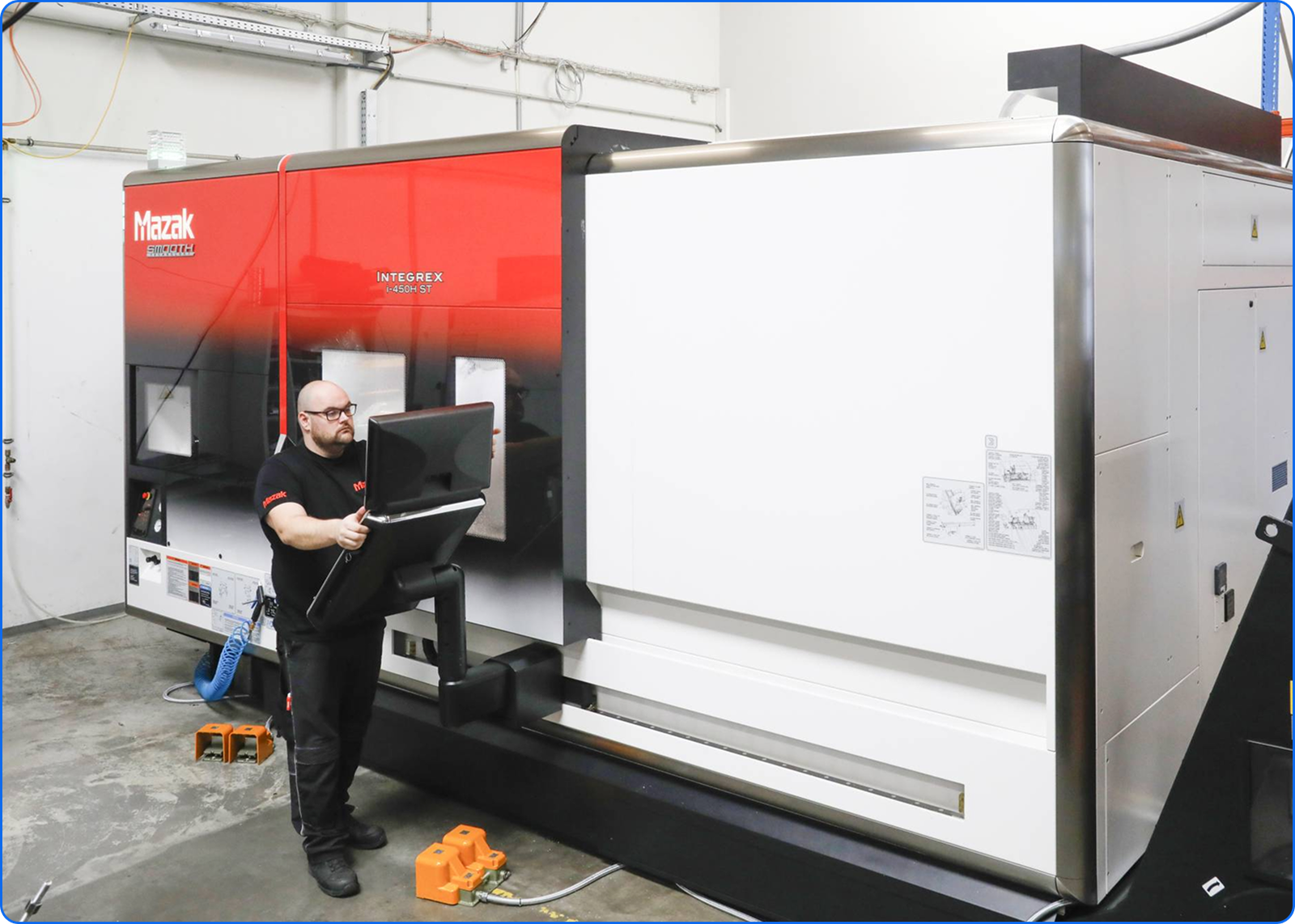
CNC turning is a precision manufacturing process used to create round, cylindrical, and complex components by rotating the workpiece against a cutting tool. It is ideal for producing shafts, bushings, pulleys, and other parts that demand tight tolerances and smooth surface finishes. OD Precision’s advanced CNC turning machines handle everything from simple prototypes to intricate, high-volume production runs. By combining automation with skilled expertise, we deliver consistent accuracy, faster turnaround times, and parts that are built to perform. Whether for aerospace, automotive, medical, or industrial applications, CNC turning ensures superior quality, efficiency, and reliability in every component.

CNC Turning materials

We can generate instant machining quotes for 50+ metals and plastics.

Metals

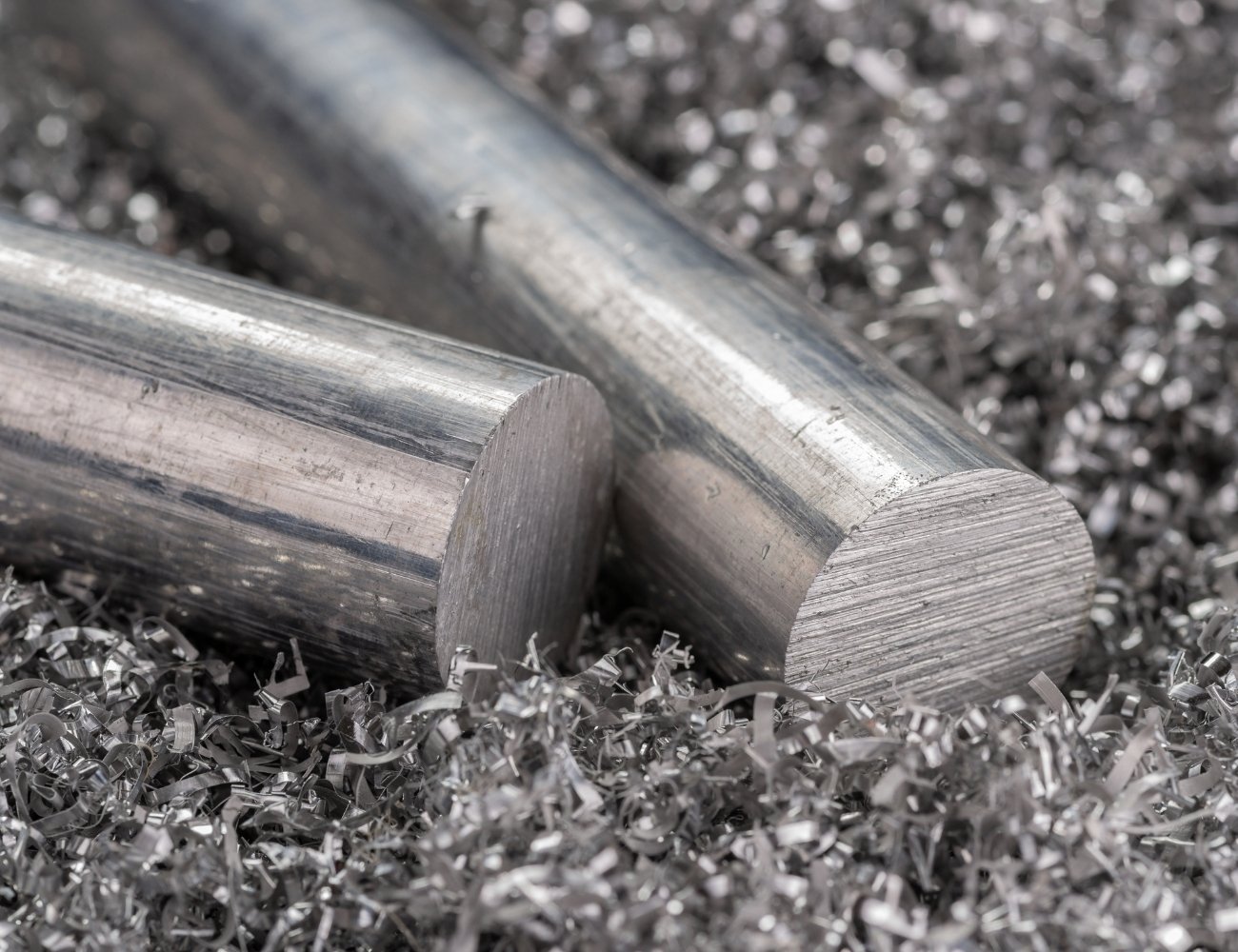
Aluminum

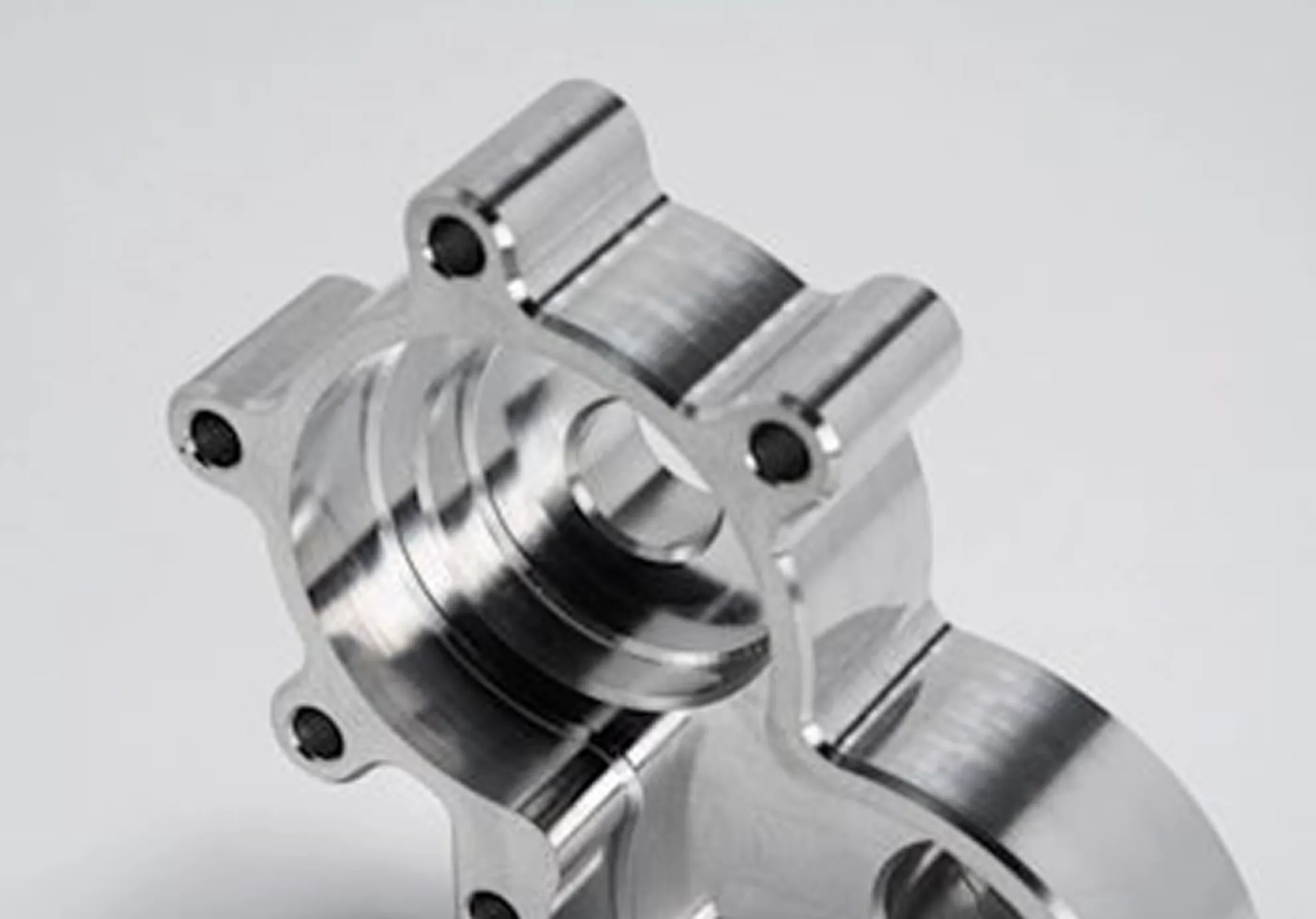
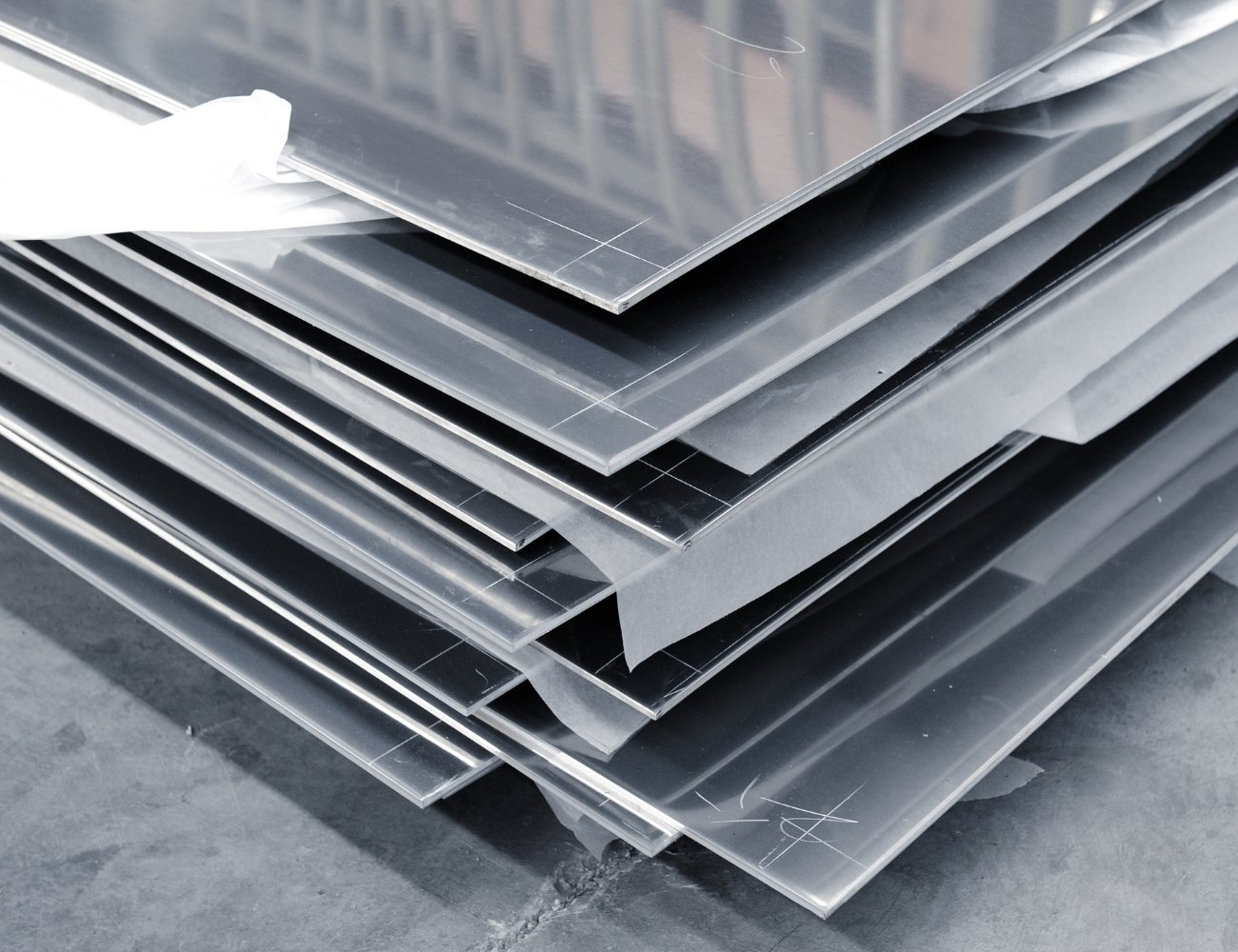
Aluminum alloys offer an excellent strength-to-weight ratio, high thermal and electrical conductivity, low density, and natural corrosion resistance. They are lightweight, versatile, and can be anodized for improved surface durability.

Alloys

Aluminum 7075-T7351 | 3.4365 | 76528 | AlZn5.5MgCu Aluminum 7075-T651 | 3.4365 | 76528 | AlZn5.5MgCu Aluminum 6061-T651 | 3.3211 | 65028 | AlMg1SiCu Aluminum 6082-T651 | 3.2315 | 64430 | AlSi1MgMn

Stainless Steel

Stainless steels provide high corrosion resistance, good mechanical strength, excellent toughness, and stability in demanding environments. Ideal for food-grade, medical, and structural applications.

Alloys

Stainless Steel 304 | 1.4301 | X5CrNi18-10 Stainless Steel 316 | 1.4401 | X5CrNiMo17-12-2 Stainless Steel 316L | 1.4404 | X2CrNiMo17-12-2 Stainless Steel 303 | 1.4305 | X10CrNiS18-9 Stainless Steel 17-4 PH | 1.4542 | X5CrNiCuNb16-4

Mild Steel

Mild steels offer excellent machinability, weldability, and cost-effectiveness. They provide good strength and ductility, making them suitable for general structural and mechanical applications.

Alloys

Mild Steel 1018 | 1.0301 | C15 Mild Steel 1020 | 1.0402 | C22 Mild Steel 1045 | 1.1191 | C45 Mild Steel A36 | – | Structural Carbon Steel Mild Steel S235JR | 1.0038 | Fe360B

Brass

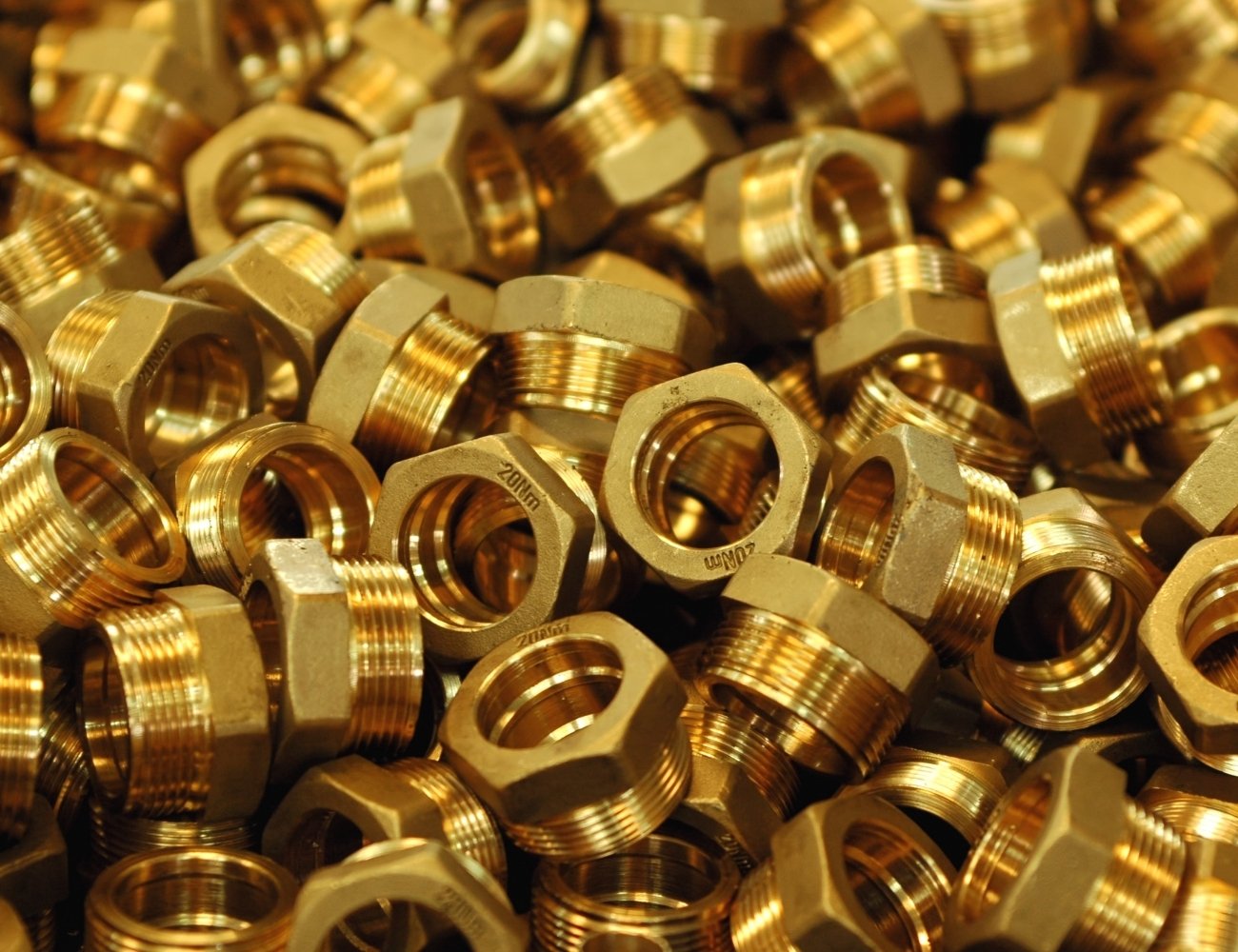
Brass alloys provide excellent machinability, natural corrosion resistance, good electrical conductivity, and a visually appealing gold-like finish. Widely used for fittings, valves, gears, and decorative components.

Alloys

Brass C3604 | C36000 | Free-Cutting Brass Brass C2600 | C26000 | Cartridge Brass Brass C2680 | C26800 | Yellow Brass Brass CZ121 | CW614N | Free-Cutting Brass Brass CZ108 | CW508L | Alpha Brass

Copper

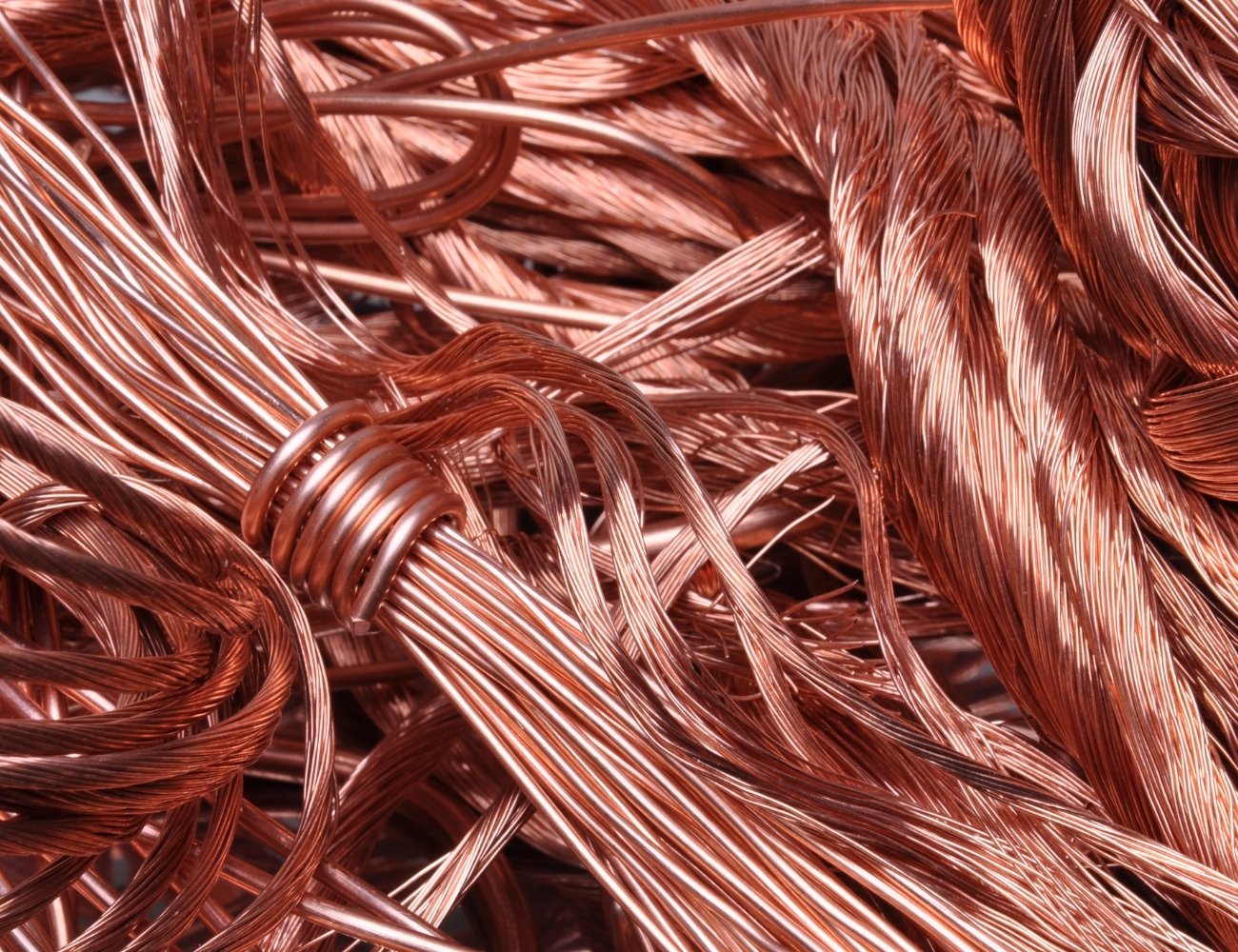
Copper offers unmatched electrical and thermal conductivity, excellent corrosion resistance, and stable mechanical performance. Ideal for electronics, heat exchangers, and electrical components.

Alloys

Copper C101 | CW004A | Oxygen-Free Copper Copper C102 | CW008A | OFHC Copper Copper C110 | CW009A | Electrolytic Tough Pitch Copper C103 | – | Oxygen-Free High Conductivity Beryllium Copper C17200 | 2.1247 | CuBe2

Alloy Steels

Alloy steels provide high strength, toughness, hardness, and wear resistance due to alloying elements such as chromium, molybdenum, and nickel. Excellent for high-stress and load-bearing applications.

Alloys

Alloy Steel 4140 | 1.7225 | 42CrMo4 Alloy Steel 4130 | 1.7218 | 25CrMo4 Alloy Steel 4340 | 1.6511 | 36CrNiMo4 Alloy Steel 5140 | 1.7035 | 41Cr4 Alloy Steel 8620 | 1.6523 | 21NiCrMo2

Tool Steel

Tool steels offer exceptional hardness, strength, wear resistance, and heat resistance perfect for cutting tools, dies, molds, and industrial tooling.

Alloys

Tool Steel D2 | 1.2379 | X153CrMoV12 Tool Steel O1 | 1.2510 | 100MnCrW4 Tool Steel A2 | 1.2363 | X100CrMoV5 Tool Steel H13 | 1.2344 | X40CrMoV5-1 Tool Steel SKD11 | – | Cold Work Die Steel

Titanium

Titanium alloys combine high strength, low density, excellent corrosion resistance, and biocompatibility ideal for aerospace, medical, and high-performance engineering.

Alloys

Titanium Grade 2 | 3.7035 | Pure Titanium Titanium Grade 5 | 3.7165 | Ti-6Al-4V Titanium TA1 | – | Commercially Pure Titanium TA2 | – | Commercially Pure Titanium TC4 | – | Ti-6Al-4V Equivalent

Inconel

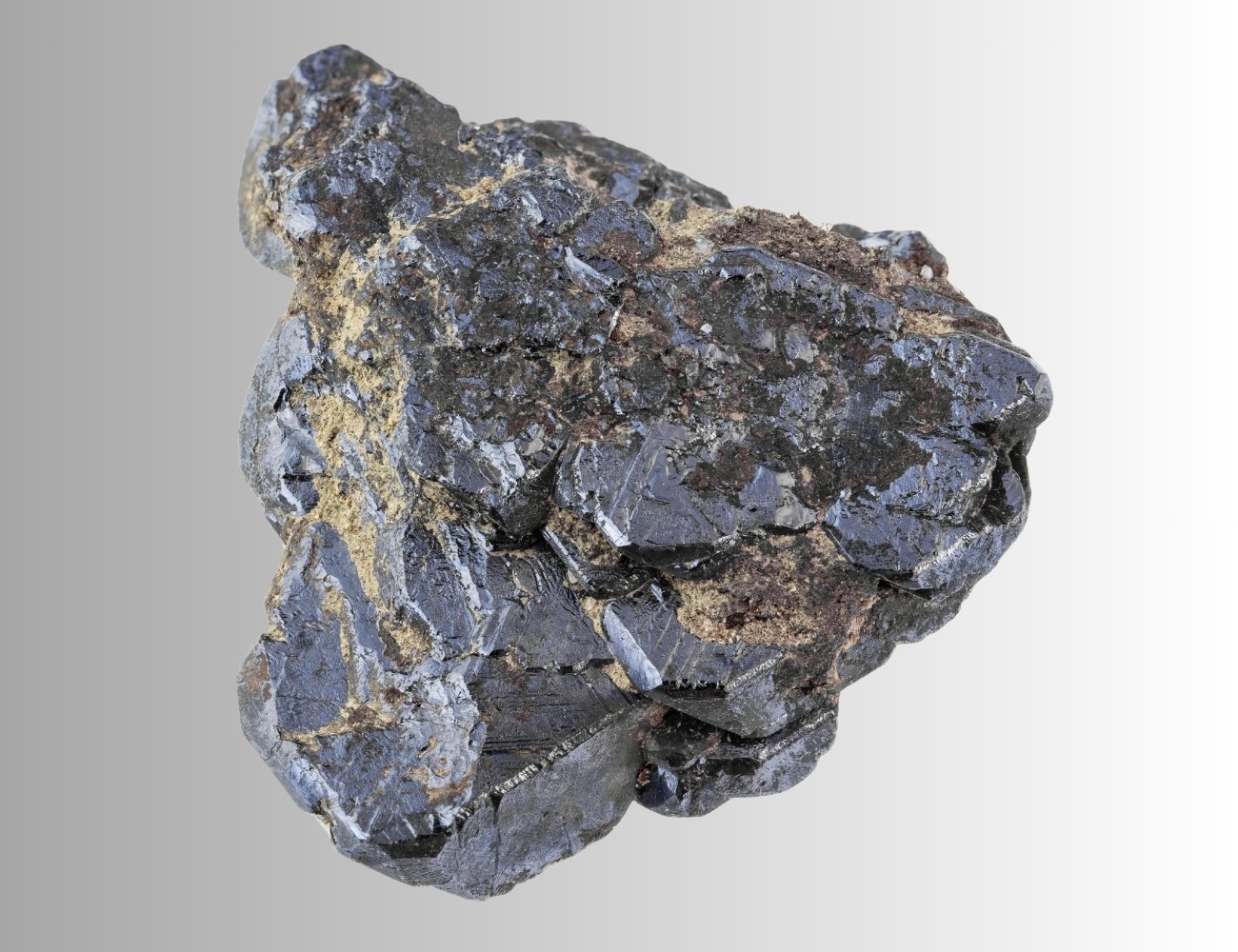
Inconel is a nickel-chromium superalloy engineered to withstand extreme heat, corrosion, and mechanical stress. It is perfect for aerospace turbines, chemical processing, and high-temperature industrial uses.

Alloys

Inconel 718 | 2.4668 | NiCr19FeNbMo Inconel 625 | 2.4856 | NiCr22Mo9Nb Inconel 600 | 2.4816 | NiCr15Fe Inconel 601 | 2.4851 | NiCr23Fe Inconel X-750 | 2.4669 | NiCr15FeTiAl

Invar 36

Invar 36 alloys have good strength-to-weight ratio, high thermal and electrical conductivity, low density and natural corrosion resistance. Can be anodized.

Alloys

Aluminum 7075-T7351 | 3.4365 | 76528 | AlZn5.5MgCu Aluminum 7075-T7351 | 3.4365 | 76528 | AlZn5.5MgCu Aluminum 6061-T651 | 3.3211 | 65028 | AlMg1SiCu Aluminum 7075-T651 | 3.4365 | 76528 | AlZn5.5MgCu Aluminum 6082-T651 | 3.2315 | 64430 | AlSi1MgMn

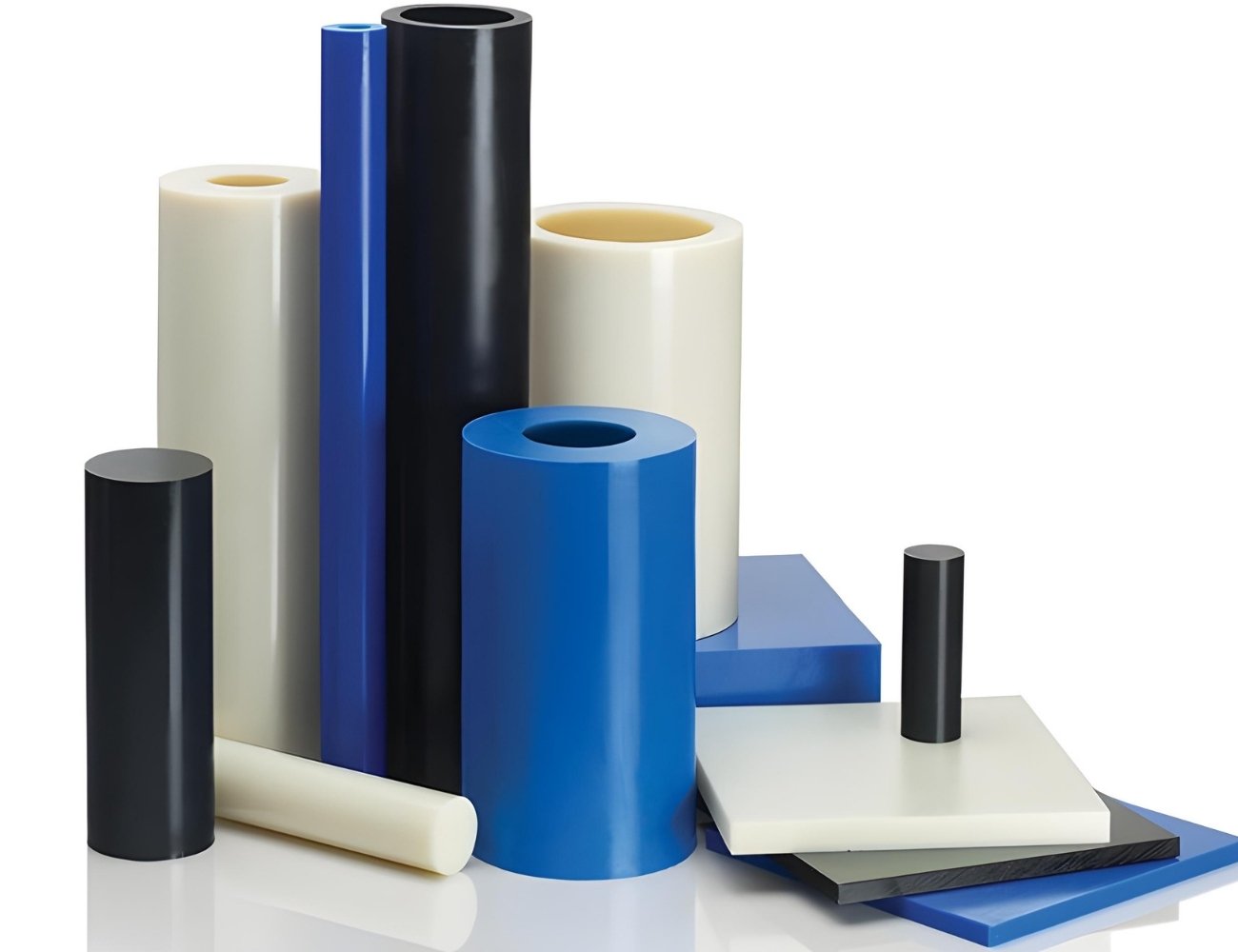
Plastics

POM (Delrin / Acetal)

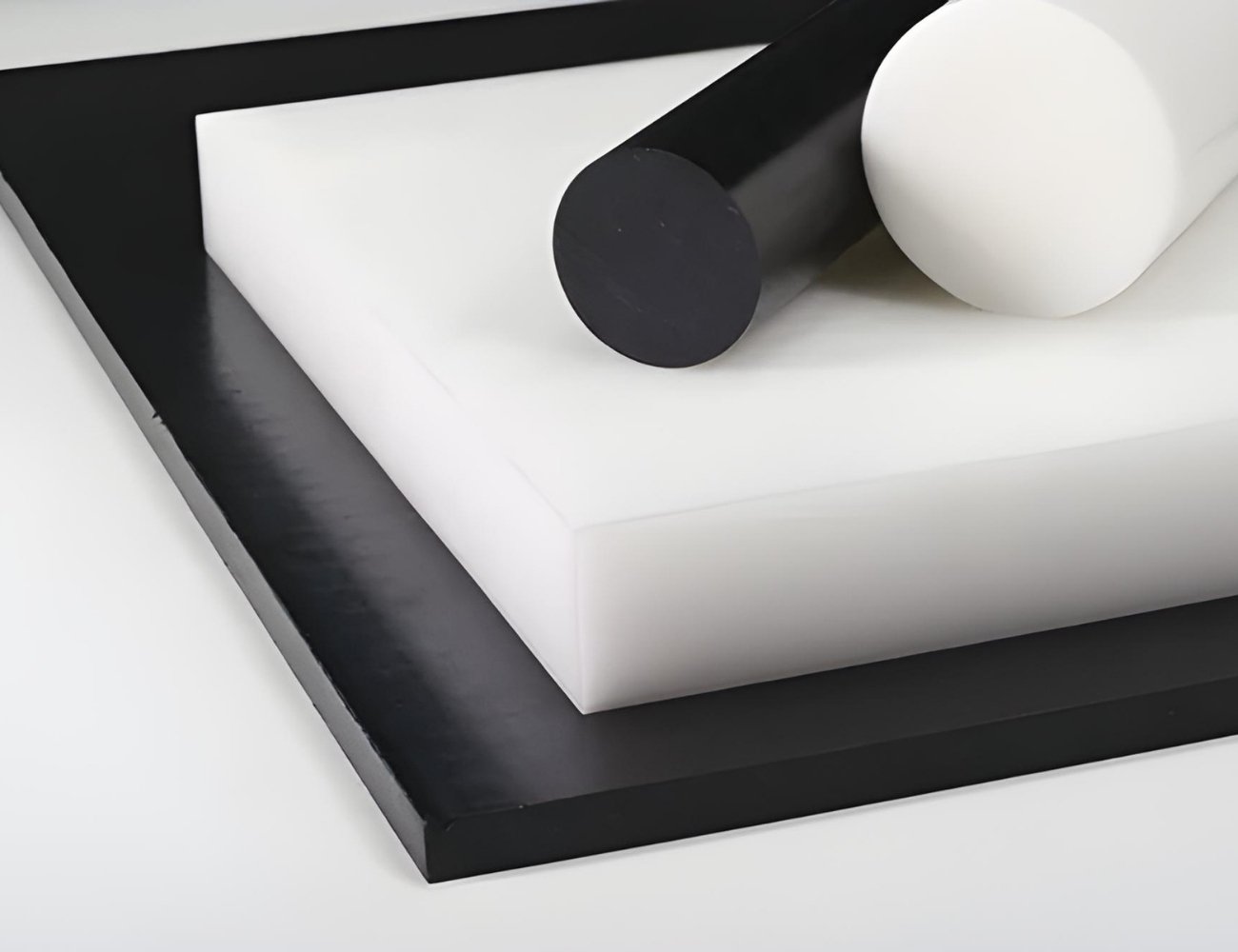
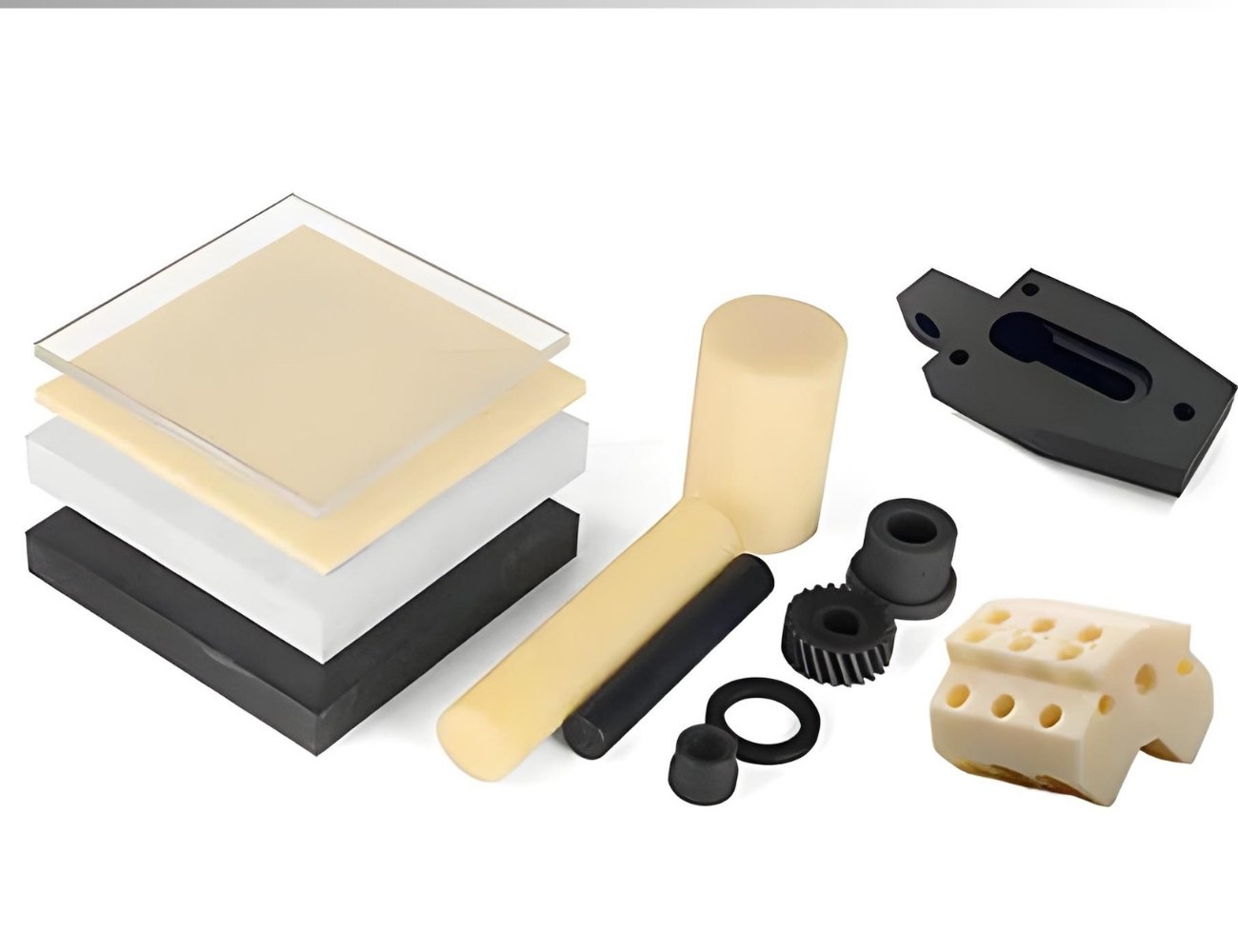
POM is a strong, low-friction engineering plastic known for its excellent dimensional stability, stiffness, and smooth sliding performance. Commonly used for gears, bearings, rollers, and precision mechanical components requiring repeatable accuracy.

Alloys

POM-C | Acetal Copolymer POM-H | Acetal Homopolymer POM (100AF) | PTFE-filled Acetal POM Black | Standard POM White | Standard

Nylon

Nylon (Polyamide) offers high toughness, wear resistance, and excellent performance under continuous friction. It is widely used for bushings, rollers, gears, guides, and structural moving components. Nylon (Polyamide) offers high toughness, wear resistance, and excellent performance under continuous friction. It is widely used for bushings, rollers, gears, guides, and structural moving components.

Alloys

PA6 | Polyamide 6 PA66 | Polyamide 66 PA6 + GF15 | Glass-Filled 15% PA6 + GF30 | Glass-Filled 30% PA66 Natural | Unfilled

PPSU

PPSU provides exceptional heat resistance, hydrolysis resistance, and impact strength. It performs reliably in medical, food-grade, and high-temperature environments where continuous sterilization or steam exposure is required.

Alloys

PPSU Natural PPSU Black PPSU Radel R-5000 PPSU Radel R-5500

ABS

ABS is a tough, lightweight, and impact-resistant plastic used for housings, enclosures, automotive interiors, and functional prototypes. It machines cleanly and provides a smooth surface finish.

Alloys

ABS Natural (Beige) ABS Black ABS Antistatic ABS+PC Black ABS+PC White

PEEK

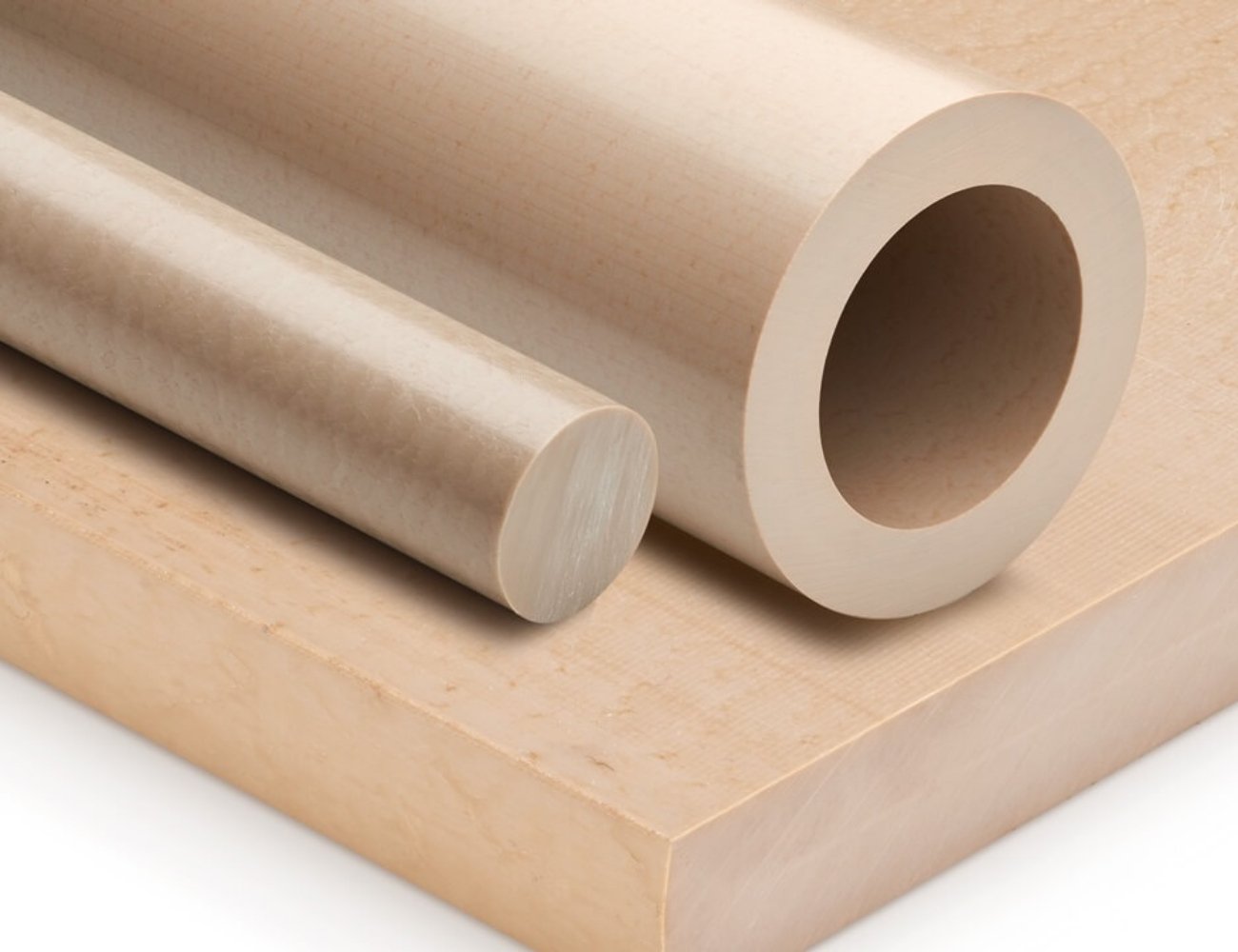
PEEK is a high-performance thermoplastic offering exceptional strength, chemical resistance, and high-temperature stability. Frequently used in aerospace, medical implants, semiconductor equipment, and precision mechanical systems.

Alloys

PEEK Natural (Beige) PEEK Black PEEK GF30 | 30% Glass-Filled PEEK CF30 | 30% Carbon Fiber Filled PEEK Medical Grade

PTFE (Teflon)

PTFE is a self-lubricating, chemically inert, non-stick plastic with extremely low friction and excellent temperature resistance. Ideal for seals, bushings, gaskets, insulation parts, and anti-friction components.

Alloys

PTFE Filled Glass PTFE Filled Carbon PTFE Filled Bronze PTFE Modified (Enhanced Creep Resistance)

Polycarbonate (PC)

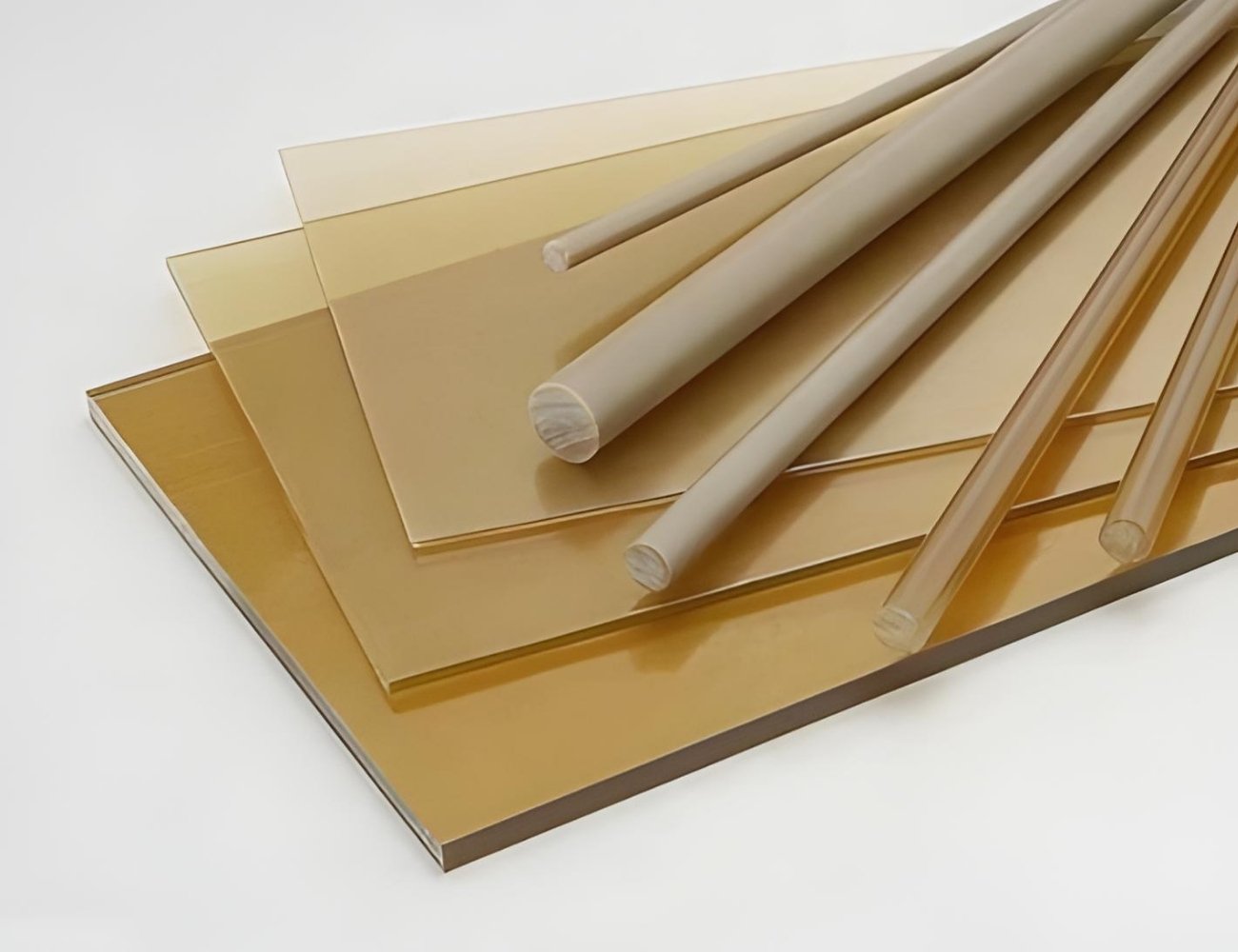
Polycarbonate is a tough, impact-resistant engineering plastic with excellent clarity and high dimensional stability. Common for protective covers, lighting components, shields, and durable housings.

Alloys

PC Transparent PC Black PC White PC Yellowish White PC+GF30 | 30% Glass-Filled

Polyethylene (PE)

Polyethylene is a durable, lightweight, and abrasion-resistant plastic commonly used for wear components, guides, bumpers, fluid containers, and industrial linings.

Alloys

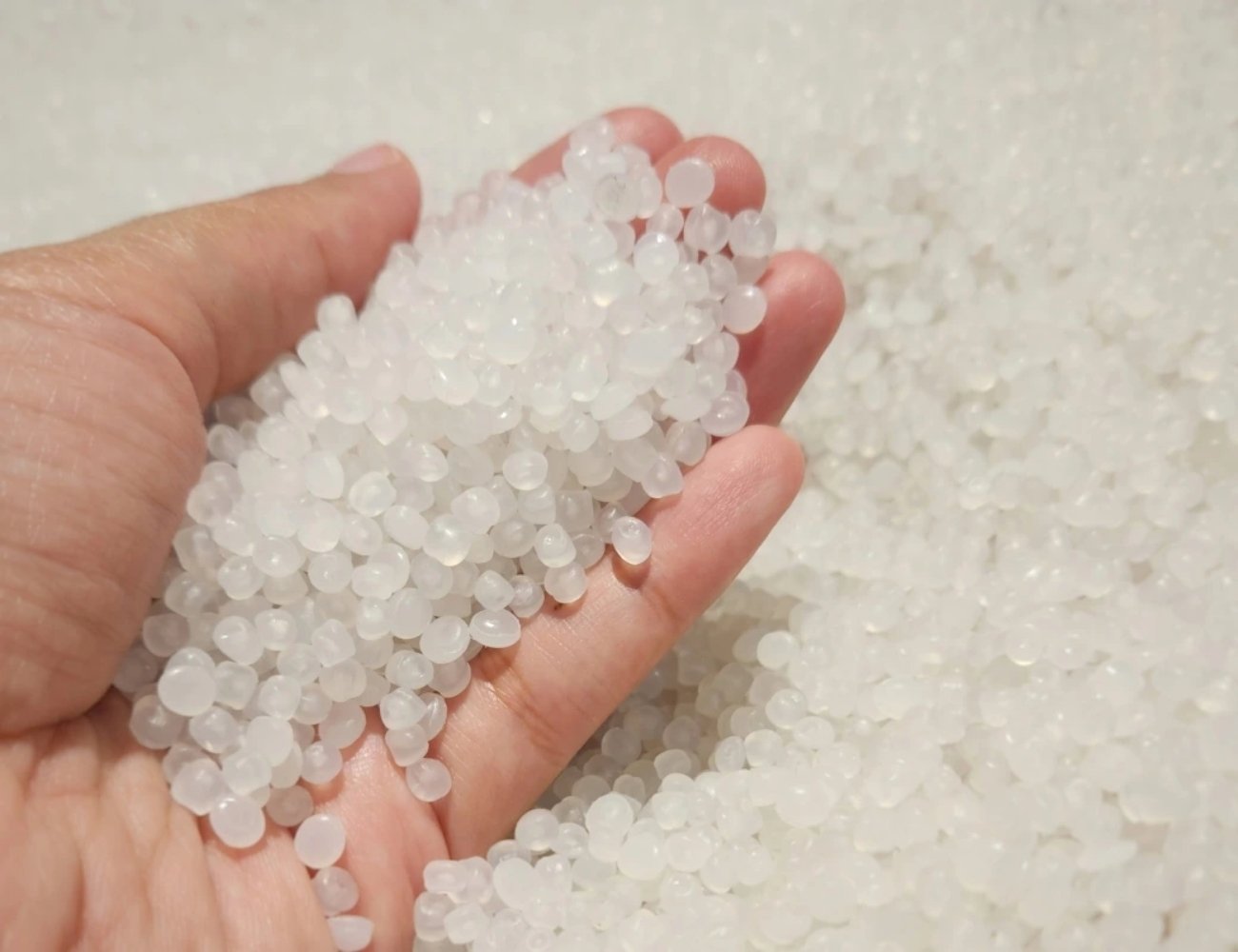
HDPE | High-Density Polyethylene LDPE | Low-Density Polyethylene UHMW-PE | Ultra-High Molecular Weight PE PE Black PE White

PVC

PVC is a durable, chemically resistant, and flame-retardant thermoplastic widely used for fluid-handling components, electrical insulation, industrial housings, and structural prototypes. It machines cleanly and maintains excellent dimensional stability.

Alloys

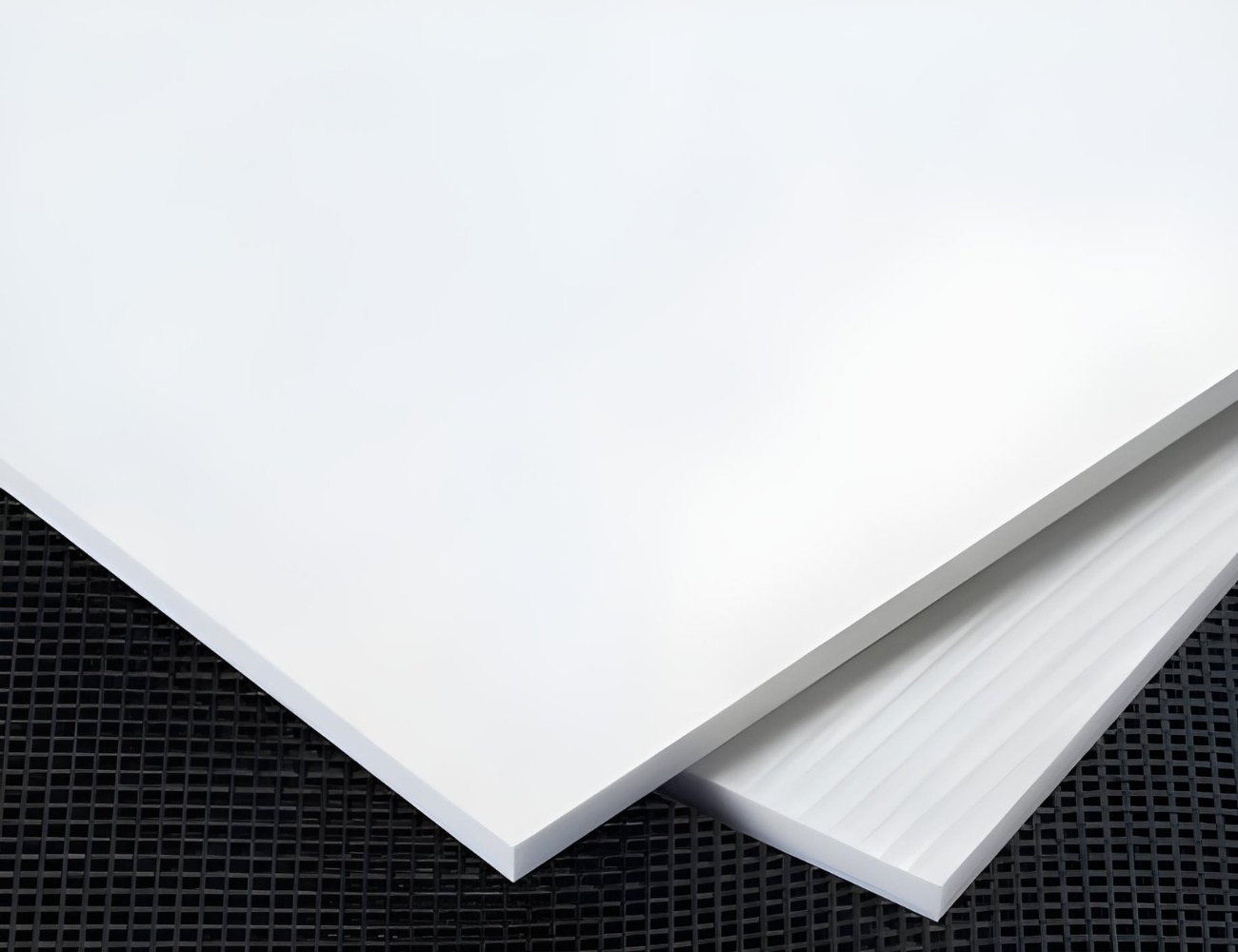
Grades PVC Black PVC Grey PVC White Rigid PVC (RPVC) PVC-U | Unplasticized PVC

PMMA (Acrylic)

PMMA is a lightweight, optically clear plastic offering excellent weather resistance and a glass-like appearance. It is ideal for light covers, displays, signage, lenses, and cosmetic-grade prototypes.

Alloys

PMMA Transparent PMMA White PMMA Black Cast Acrylic Extruded Acrylic

PET

PET is a strong, low-moisture-absorption material with excellent wear resistance and dimensional stability. It is used for gears, mechanical parts, food-safe components, and precision industrial applications.

Alloys

PET Black PET White PET-GF30 | 30% Glass-Filled Black PET-GF30 | 30% Glass-Filled White PET Clear (Bottle-Grade)

Polypropylene (PP)

PP is a tough, fatigue-resistant, and lightweight plastic with excellent chemical and temperature resistance. It is popular for automotive components, housings, containers, and industrial parts.

Alloys

PP Black PP White PP-GF30 | 30% Glass-Filled PP-H | Homopolymer PP-C | Copolymer

G-10

G-10 is a high-strength fiberglass laminate known for its rigidity, machinability, and moisture resistance. Common in electrical insulation, mechanical spacers, jigs, and high-strength structural plates.

Alloys

G-10 Standard G-10 FR (Flame Retardant) G-10 Black G-10 Natural Green G-10 Epoxy Glass Sheet

FR4

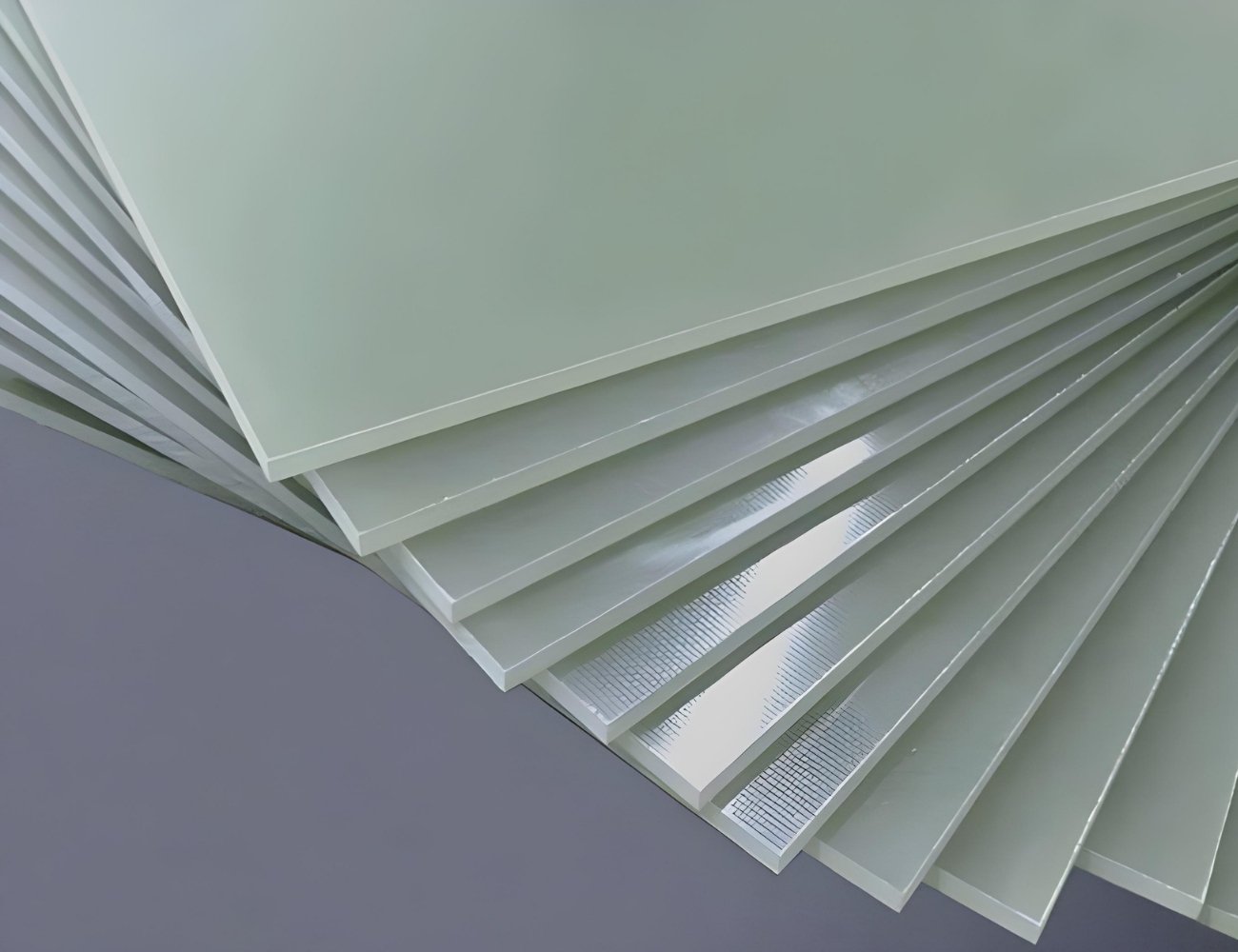
FR4 is a flame-resistant fiberglass epoxy composite used extensively for electrical insulation, PCB substrates, tooling plates, and heat-resistant structural parts.

Alloys

FR4 Yellow FR4 Green FR4 Glass-Epoxy Sheet FR4 PCB Grade FR4 Flame-Retardant Standard

PEI (Ultem)

PEI is a high-performance thermoplastic offering outstanding heat resistance, strength, dimensional stability, and chemical resistance. Used in aerospace, medical, semiconductor, and engineering applications requiring premium performance.

Alloys

Grades PEI Ultem 1000 (Unfilled) PEI Ultem 2300 (30% Glass-Filled) PEI Natural PEI Black PEI Medical Grade

CNC Turning surface finishes

We provide instant quotes for multiple post-machining surface finishes.

As Turned

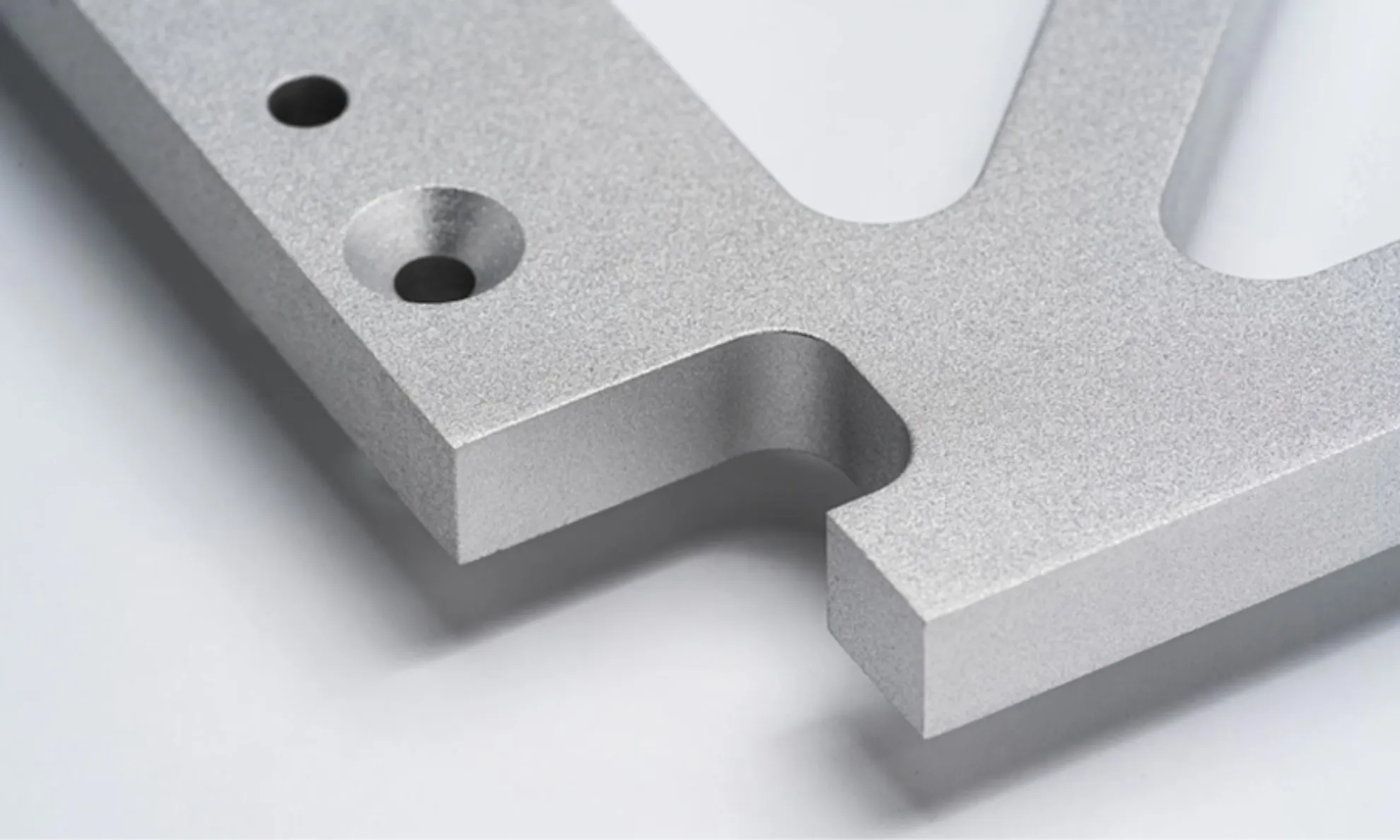
As turned finish leaves the surface directly from the lathe, offering a quick and economical option with tool marks visible.

Polishing

Polishing finish smooths the turned surface, enhancing its appearance and reducing roughness while improving shine and quality.

Anodizing

Anodizing Type II finish adds corrosion resistance to aluminum parts, with optional decorative colors while keeping durability and strength intact.

Anodizing (Type III – Hardcoat)

Hardcoat anodizing provides a thicker, stronger protective layer, increasing wear resistance and extending part life in harsh conditions.

Powder Coating

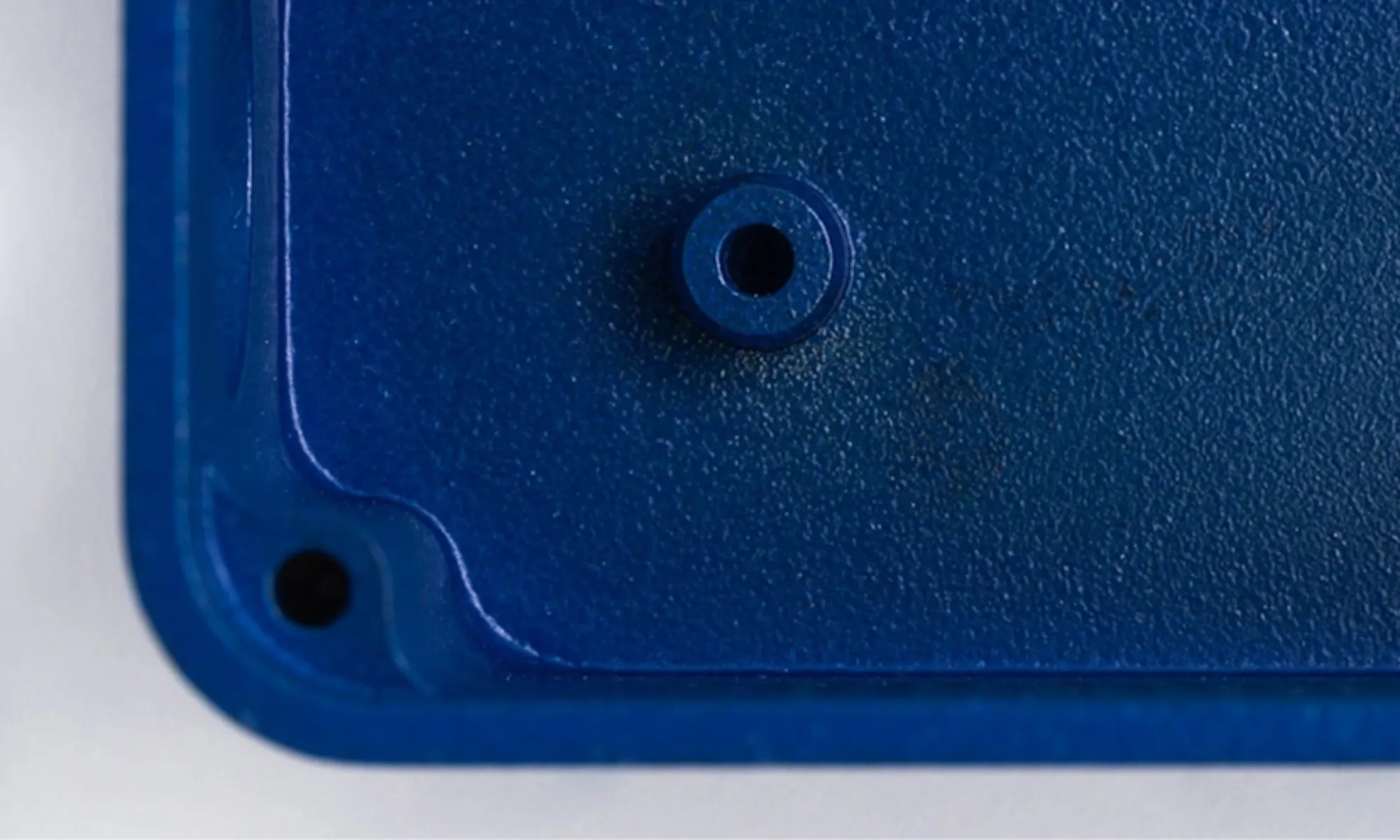
Powder coating applies a durable protective layer, delivering a smooth or textured colored finish with strong resistance to scratches.

Electroplating

Electroplating deposits a thin metallic layer like nickel or chrome, enhancing surface hardness, wear resistance, and aesthetic appearance.

Bead Blasting

Bead blasting uses fine media to create a matte surface, removing imperfections while leaving a uniform, consistent, and clean finish.

Passivation

Passivation finish chemically removes contaminants from stainless steel, improving corrosion resistance, strength, and extending overall part durability.

Tolerances for CNC Turning

As an ISO 9001 certified manufacturer, OD Precision delivers CNC turned parts that meet strict tolerance requirements. Depending on your design, our CNC lathes can achieve tolerances as tight as ±0.005”. Standard tolerances follow ISO 2768-m for metals and ISO 2768-c for plastics.

Description

Specification

Maximum Part Size

Up to 500 mm in diameter and 1500 mm in length. Larger sizes possible with specialized equipment.

Minimum Part Size

As small as 1 mm in diameter, depending on material and setup.

General Tolerances

Standard ±0.01 mm; precision up to ±0.005 mm achievable based on material and part complexity.

Lead Time

Standard 3–7 days for small batches. Expedited options available, with delivery in 24–48 hours depending on design and material.

Gallery of CNC machined parts

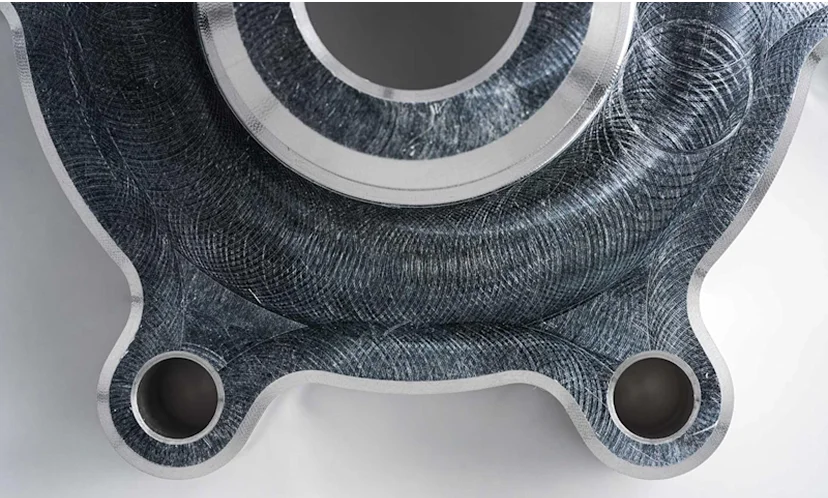
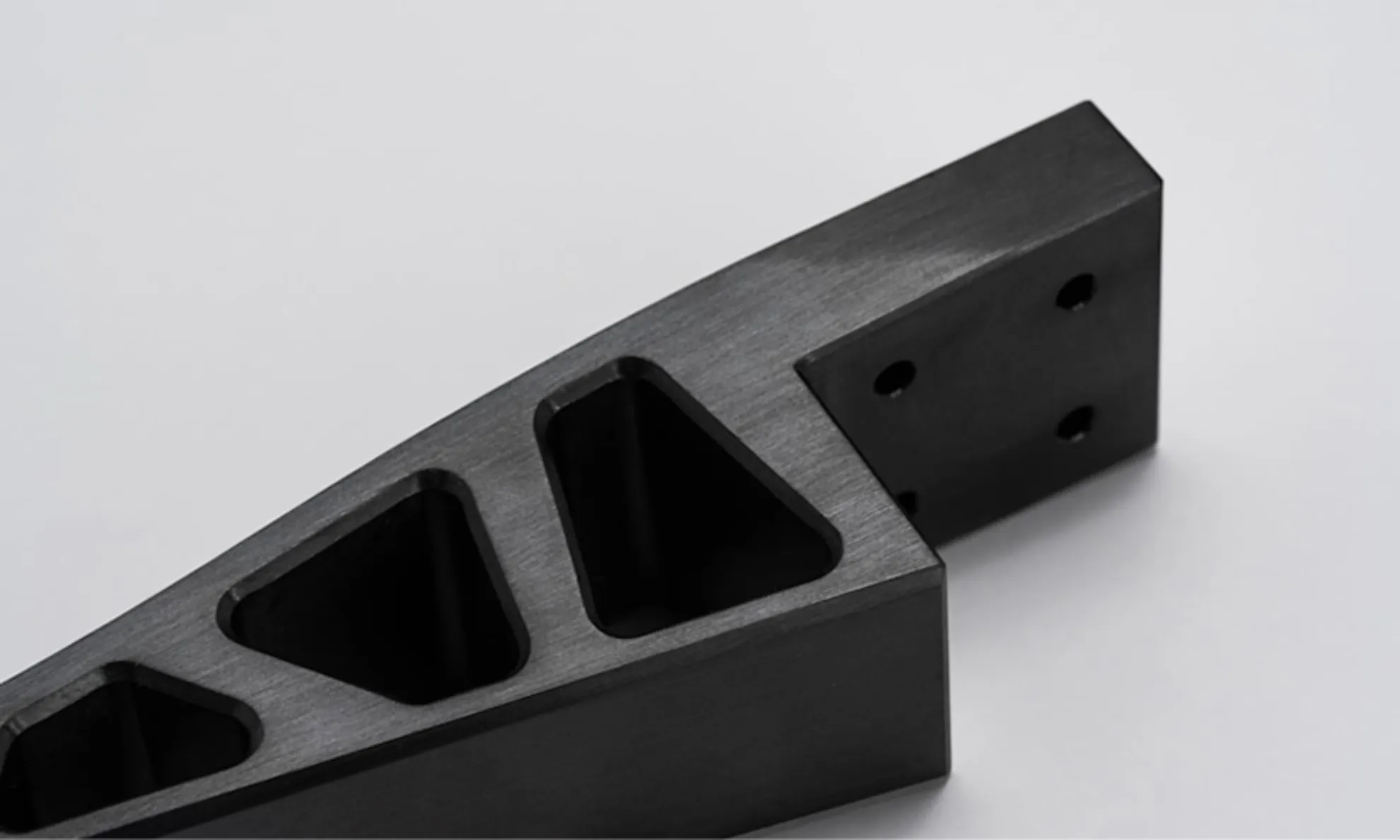
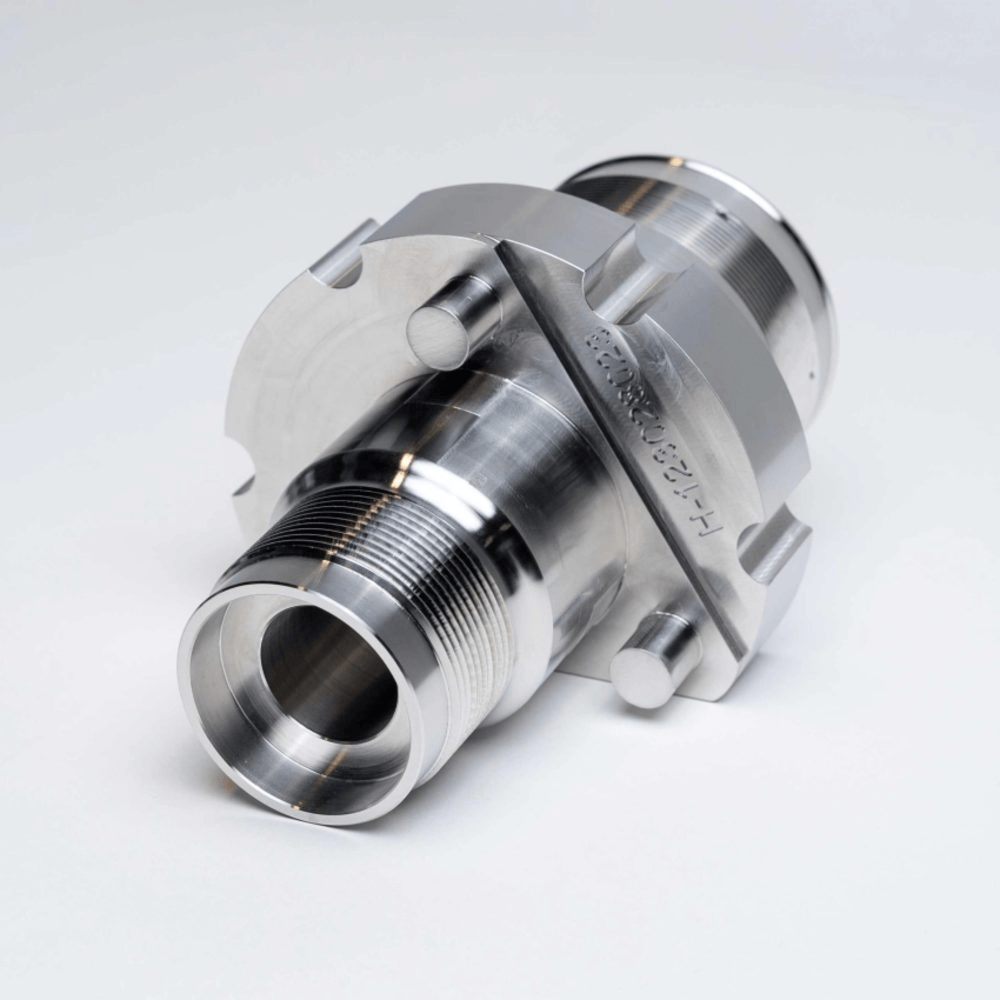
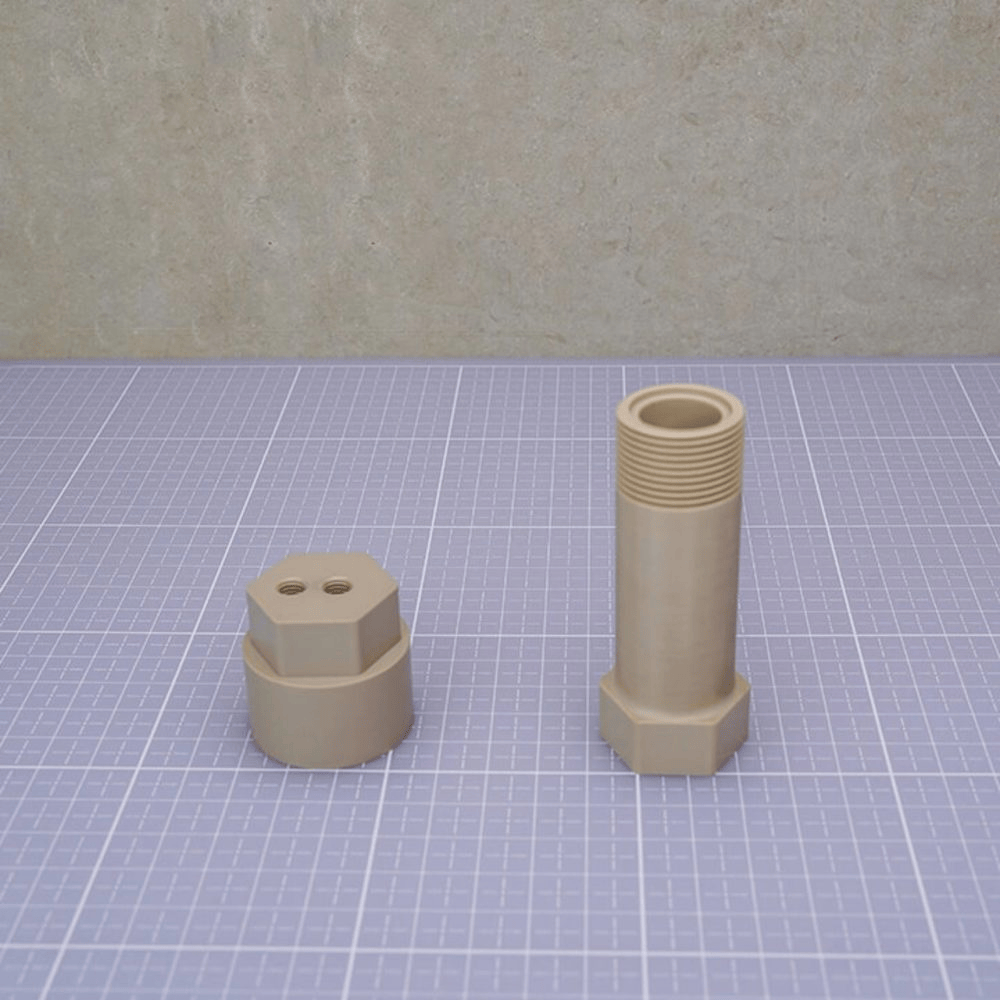
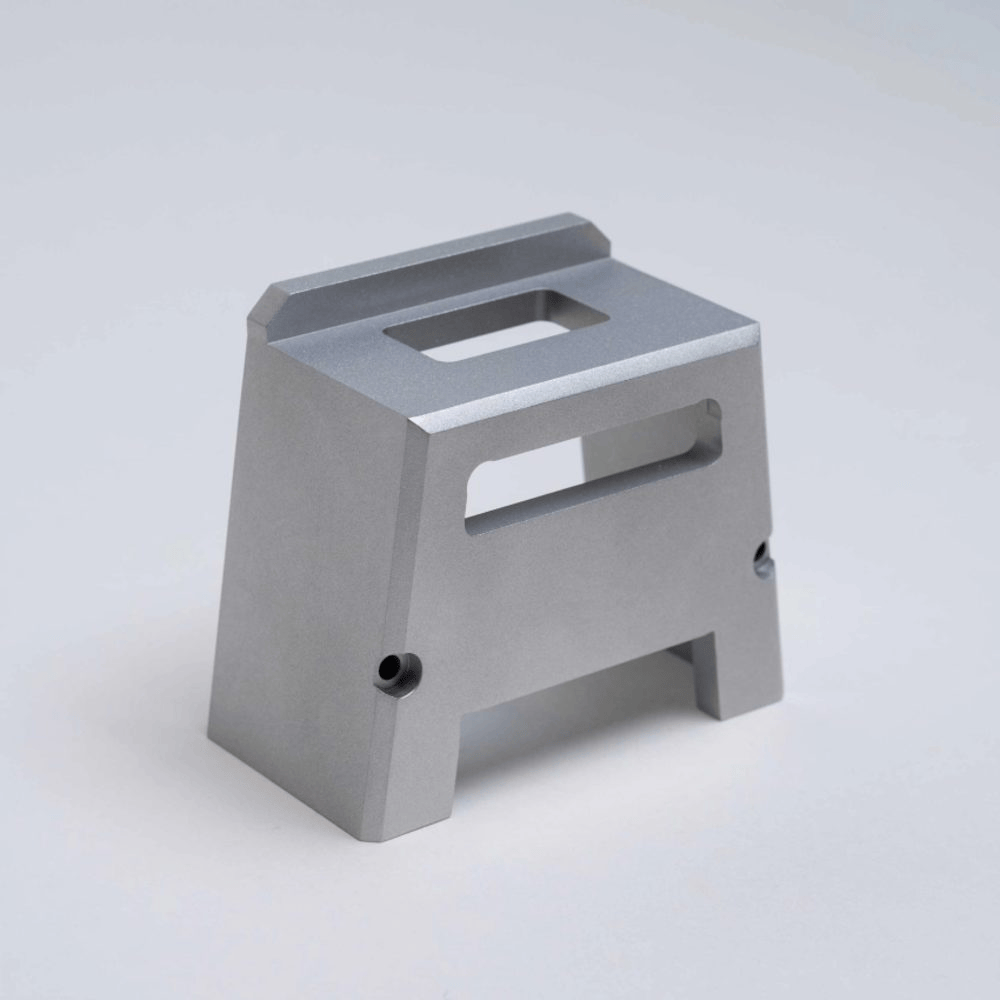
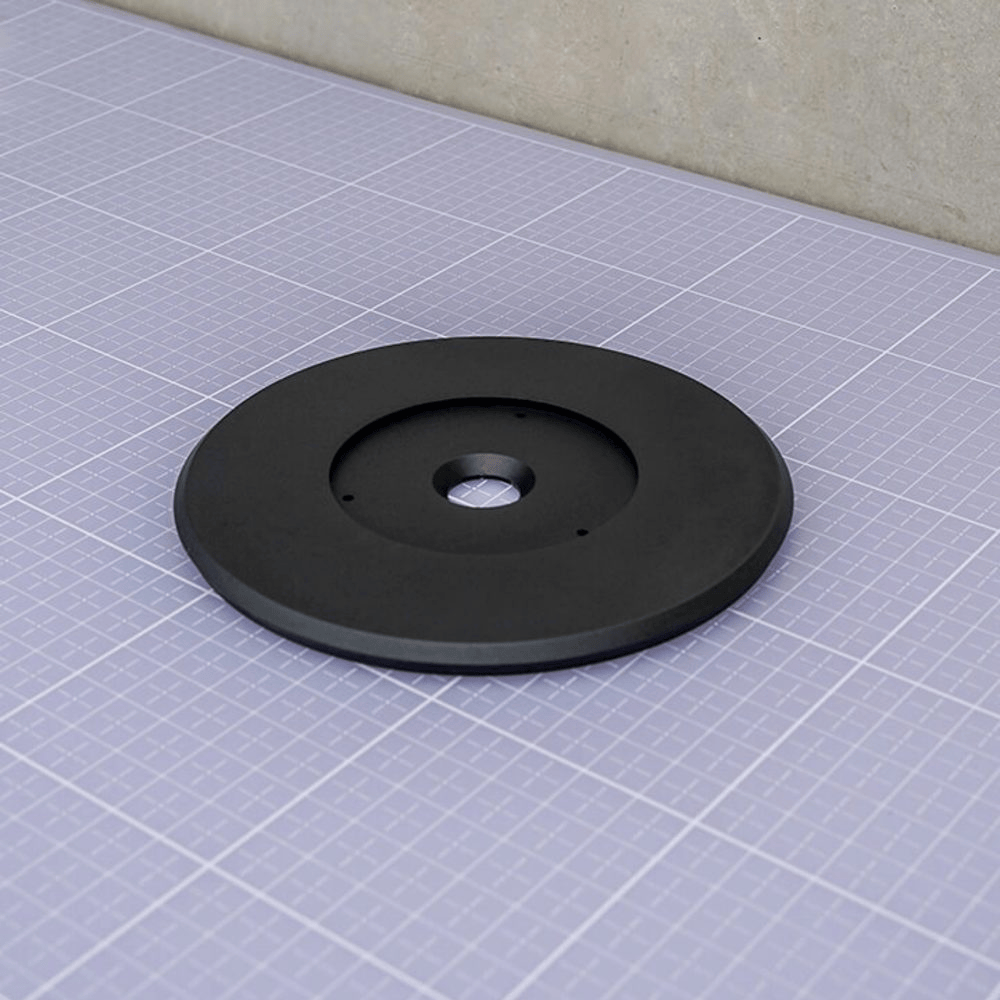
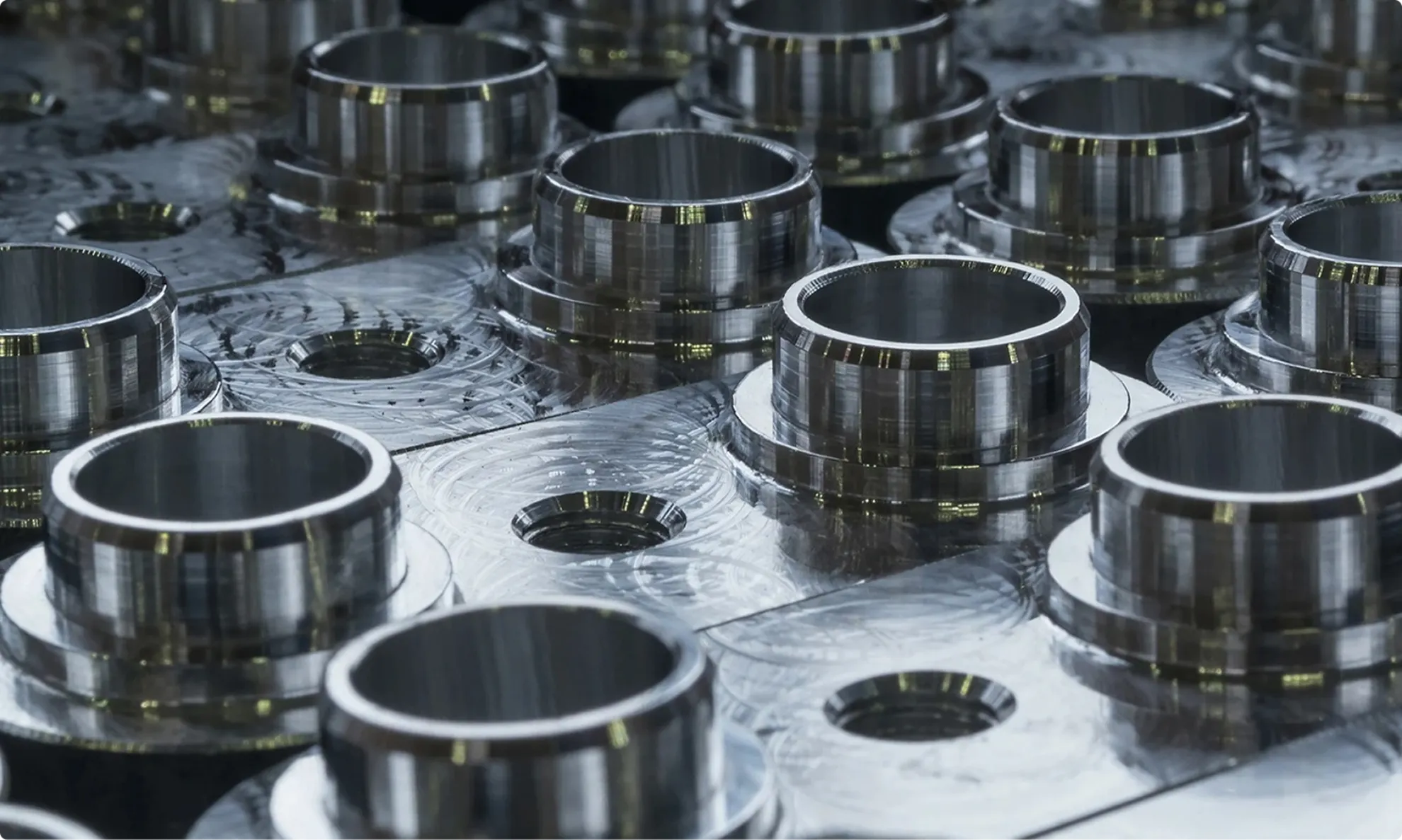
Explore our gallery showcasing high-precision CNC machined parts crafted with accuracy and consistency. Each component reflects OD Precision’s commitment to quality, performance, and detail.

CNC Turning Design Guidelines

Feature

Guideline

Radii

Minimum internal radius of 0.5 mm recommended. Larger radii (up to 3 mm or more) improve tool access and reduce stress concentrations.

Threads & Tapped Holes

External and internal threads can be cut with precision. Standard thread sizes from M1.6 and above are supported. Minimum thread length should be 1.5× the diameter for stability.

Minimum Wall Thickness

0.8 mm for metals and 1.5 mm for plastics, ensuring structural integrity without affecting machinability.

Text & Engraving

Recommended minimum character height of 2 mm with a depth of at least 0.5 mm for clear legibility after machining.

Holes

Minimum hole diameter of 0.5 mm. For deep holes, maintain a 1:10 diameter-to-depth ratio to prevent tool deflection and ensure quality.

Prototyping

Custom Rapid Tooling

Bring your product ideas to life faster than ever. Our rapid tooling solutions combine speed, precision, and cost-effectiveness to help you move from prototype to production with confidence. Whether you need bridge tooling for small runs or durable molds for long-term use, we deliver tools engineered for accuracy and repeatability. With advanced CNC machining, premium materials, and strict quality standards, we ensure your parts are production-ready in record time, without compromising quality.

Production

Complex Cylindrical Components

OD Precision specializes in CNC turning solutions that deliver unmatched accuracy, consistency, and speed. Whether you need prototypes, one-off parts, or full-scale production, our turning capabilities are designed to meet the most demanding requirements. From shafts and bushings to intricate cylindrical geometries, we create parts that align perfectly with your specifications. Our advanced CNC lathes allow us to achieve tight tolerances, smooth surface finishes, and repeatable results across every production run. With the ability to handle a wide range of materials and complex designs, we provide solutions that not only meet but exceed industry standards.

Industries Solution

We’ve manufactured millions of parts for all sorts of applications, but we’re especially knowledgeable in these areas.

How CNC Turning Works?

  • Exceptional Precision → Achieves accuracy down to ±0.0008″, ideal for complex designs with tight specifications.
  • Superior Surface Quality → Produces smooth finishes with multiple post-machining surface options.
  • Versatile Material Options → Works with a wide range of metals and plastics, from aluminum and steel to PEEK and ABS.
  • High Repeatability → Delivers consistent results across prototypes, small batches, and mass production.
  • Fast Turnaround → Automated programming and multi-axis setups enable shorter lead times.
  • Scalability → Supports everything from one-off prototypes to large-scale production runs.

Proven by the World’s Toughest Industries

From aerospace to automotive, our manufacturing expertise is trusted by some of the world’s most demanding industries. We’ve built long-term partnerships by consistently delivering quality, precision, and efficiency on time, every time. That’s why leading companies return to us again and again. That’s why global leaders continue to rely on us for every critical project.

Manufactured Using the Latest CNC Turning Technologies

1. Automated Multi-Axis Turning Systems

OD Precision employs multi-axis CNC turning centers capable of simultaneous machining from multiple angles. This advanced setup minimizes setups, boosts productivity, and ensures perfectly concentric, high-precision components with every cycle.

Our CNC lathes are equipped with live tooling technology, allowing milling, drilling, and tapping operations within the same machine. This innovation eliminates secondary processes, shortens lead times, and guarantees superior surface quality and dimensional accuracy.

With smart sensor technology and digital feedback systems, we continuously monitor cutting conditions, spindle loads, and tool wear. This real-time insight enhances consistency, reduces downtime, and delivers reliable, flawless parts across every production run.

Frequently Asked Questions

Explore our frequently asked questions to understand
more about CNC machining services and how we can
help you achieve your project goals.

Frequently Asked Questions

CNC Turning

  • How does CNC turning reduce manufacturing costs?

    CNC turning reduces manufacturing costs by minimizing waste, improving efficiency, and reducing labor requirements. Because the process is automated, parts are produced with minimal human intervention, lowering the risk of costly errors and rework. Tool paths are optimized to maximize material usage, and unfused materials, especially in plastics, can often be recycled. Additionally, advanced multi-axis turning centers reduce the need for multiple setups by handling complex geometries in a single pass, cutting down on machining time and associated overhead costs. While the initial investment in CNC technology can be high, the long-term savings in repeatability, reduced scrap rates, and increased throughput make it a cost-effective choice for businesses seeking to remain competitive in global markets. 

  • Why is CNC turning important for industries like aerospace and automotive?

    Industries such as aerospace and automotive rely heavily on CNC turning because it delivers the precision and reliability required for mission-critical components. Aerospace components like turbine shafts, fasteners, and housings must withstand extreme forces while maintaining tight tolerances for safety. Similarly, automotive parts such as engine valves, drive shafts, and bushings require exact fits to ensure performance, fuel efficiency, and durability. CNC turning enables manufacturers to consistently produce these parts with accuracy that manual processes cannot match. Its ability to scale production without sacrificing quality ensures that even high-volume demands are met with consistent excellence, supporting both innovation and regulatory compliance in these industries. 

  • How fast can CNC turning parts be produced?

    The production speed of CNC turning depends on part complexity, material type, and the number of operations required. Simple cylindrical components can often be completed within hours, while more intricate designs involving threading, grooves, or multiple features may take longer. Advanced CNC turning centers streamline production by performing multiple operations in a single setup, which greatly reduces overall cycle times. Many manufacturers also offer expedited services, delivering small batches of precision-turned parts within 24 to 48 hours. This speed, combined with high repeatability, makes CNC turning a cost-effective option for both rapid prototyping and large-scale production runs where time to market is critical. 

  • What materials can be machined with CNC turning?

    CNC turning supports a broad range of materials, making it suitable for diverse industry needs. Metals such as aluminum, steel, brass, titanium, and stainless steel are commonly used due to their strength and durability. Plastics like nylon, PEEK, acetal, and PTFE are also widely machined, especially for lightweight or corrosion-resistant applications. Each material requires specific cutting speeds, tool geometries, and coolant strategies to ensure accuracy and prevent deformation. For example, stainless steel demands slower feed rates to avoid tool wear, while plastics require heat-resistant techniques to avoid melting. This versatility allows CNC turning to serve industries ranging from aerospace and automotive to medical and consumer electronics with tailored material solutions. 

  • Can CNC turning produce complex geometries?

    While CNC turning is best suited for symmetrical parts, it is not limited to simple cylindrical shapes. With the help of live tooling and multi-axis turning centers, complex geometries such as contoured surfaces, grooves, knurls, tapers, and internal threading can be achieved with exceptional detail. When combined with secondary processes like milling or drilling, turned parts can incorporate advanced features that would otherwise require multiple setups. This ability to handle complexity in a single operation reduces manufacturing time, lowers production costs, and minimizes error, making CNC turning highly valuable for components like automotive camshafts, aerospace housings, and medical implants where both precision and intricate features are critical. 

  • How does CNC turning achieve such high precision?

    CNC turning achieves precision by combining computer-controlled tool paths with rigid machine setups that minimize vibration and movement. The digital program ensures that the cutting tool follows exact coordinates down to microns, while the rotating spindle maintains consistent speeds throughout the operation. Tool offsets are carefully calibrated to account for tool length and diameter, preventing dimensional errors during machining. This level of control allows tolerances as tight as ±0.005 mm to be achieved, depending on the machine and material. Additionally, real-time monitoring systems and feedback loops detect tool wear and thermal expansion, enabling machinists to make corrections without halting production. The result is repeatable accuracy that meets the demanding requirements of aerospace, defense, and medical industries. 

  • What is a CNC turning center and what types of parts can it produce?

    A CNC turning center is an advanced, computer-controlled lathe that allows for high-precision machining of round or cylindrical components. Unlike conventional manual lathes, CNC turning centers can perform a wide variety of operations in a single setup, including facing, drilling, threading, grooving, contouring, and boring. These machines are designed to produce parts such as bushings, valves, screws, fittings, and pins with consistent accuracy across multiple production runs. Because they are automated, CNC turning centers reduce the chance of human error and deliver repeatable results, making them especially suited for industries that require large quantities of identical components. Furthermore, they can be adapted for both prototyping and full-scale production, offering manufacturers flexibility to scale without compromising quality. 

  • What is the difference between CNC turning and CNC milling?

    Although CNC turning and CNC milling are both subtractive manufacturing processes, they differ significantly in the way material is removed. In CNC turning, the workpiece itself rotates while a stationary tool removes material, making it most effective for cylindrical parts like rings, shafts, and threaded components. Milling, on the other hand, keeps the workpiece fixed while the cutting tool moves across multiple axes to remove material and form features such as slots, pockets, or contours. Turning is typically faster and more efficient for producing round geometries, while milling excels at producing complex three-dimensional shapes. Many manufacturers combine both processes within a project to achieve components with mixed features that require both cylindrical precision and multi-axis detailing. 

  • Can CNC turning handle plastic parts?

    Yes, CNC turning is not limited to metals and can effectively produce precision components from a wide range of plastics. Materials such as ABS, Polycarbonate, PTFE (Teflon), Nylon, and Acetal are commonly used, each bringing unique benefits to the process. For example, Nylon is valued for its strength and wear resistance, making it ideal for components that undergo repeated mechanical stress, while Acetal is favored for its dimensional stability and machinability, ensuring tight tolerance parts even under varying conditions. Producing plastic parts requires careful control of cutting parameters because plastics respond differently than metals, particularly with heat. By using optimized tool geometries and controlled spindle speeds, CNC turning produces flawless plastic components for applications in consumer electronics, automotive interiors, and medical devices. 

  • What parts can CNC turning produce?

    CNC turning is primarily used to manufacture cylindrical and symmetrical components by rotating the workpiece against a fixed cutting tool. It is widely applied in producing precision parts such as shafts, pins, rods, bushings, pulleys, and fasteners, all of which require accuracy and consistent roundness. The process also supports threading, boring, and contouring, which means it can create external threads, internal bores, and intricate curved surfaces on cylindrical objects. Because CNC turning achieves tight tolerances and superior surface finishes, it is highly reliable for applications where dimensional accuracy and durability are critical. This makes it indispensable in industries like aerospace, automotive, robotics, and industrial machinery, where even the smallest deviations can impact performance. 

Precision You Can Rely On

At OD Precision, every part we produce is a promise of accuracy, reliability, and performance. Our state-of-the-art CNC technology ensures that every cut, turn, and finish is executed with unmatched precision. Whether you need prototypes or high-volume production, we deliver consistent results that meet the most demanding industry standards. With skilled engineers and advanced machines working hand-in-hand, we guarantee parts that not only fit your design but also exceed your expectations in durability and quality.

How to work with US?

Upload a CAD File

Share your XT file & CAD drawings or part designs with us. Our engineers will carefully review your files to understand dimensions, tolerances, ensuring everything is ready for accurate production.

Get Quote 12 Hours

We’ll provide a detailed quote along with a free DFM (Design for Manufacturing) analysis. This helps optimize your design and guarantee high-quality results before moving to production.

Start Production

Once you approve the quote, our expert machinists and technicians start manufacturing your parts using advanced CNC equipment and strict quality control for precision and reliability.

Parts are Shipped!

After inspection and finishing, your custom parts are securely packaged and shipped straight to your doorstep, delivered on time and ready for use, no matter where you are.

Start Custom Parts Manufacturing

OD Precision is your trusted partner for high-quality prototypes and production-ready machined parts, no matter how simple or complex. Backed by ISO 9001 certification and years of expertise, we guarantee accuracy, consistency, and reliability in every project.

Scale Smarter, Manufacture Faster

Take your production to the next level with OD Precision’s full-scale manufacturing solutions. From prototypes to mass production, we deliver consistent, high-quality parts designed for performance and cost efficiency. Our advanced CNC capabilities and expert engineering teams ensure every component meets strict quality standards while keeping lead times competitive. Whether you’re scaling up for high-volume output or optimizing existing processes, we provide the flexibility, precision, and reliability needed to keep your business moving forward.

End To End Solutions

Rapid Prototyping

Accelerate innovation with our rapid prototyping services. From concept models to functional prototypes, we deliver high-precision parts fast, helping you validate designs and move quickly to market.

Low Volume Production

Bridge the gap between prototyping and mass production with low-volume manufacturing. Get consistent, reliable parts with fast lead times and full quality control, ideal for testing and pilot runs.

End-to-End Solutions

From design and material selection to full-scale production, we provide complete manufacturing solutions. Our integrated approach ensures efficiency, cost savings, and quality at every stage.

Get In Touch With Us!​

Prompt response guaranteed within 12 hours​

  • 🔐 All uploads are secure and confidential