








CNC machining brings powerful benefits but also has certain limitations depending on project size and requirements. Here’s a detailed look:
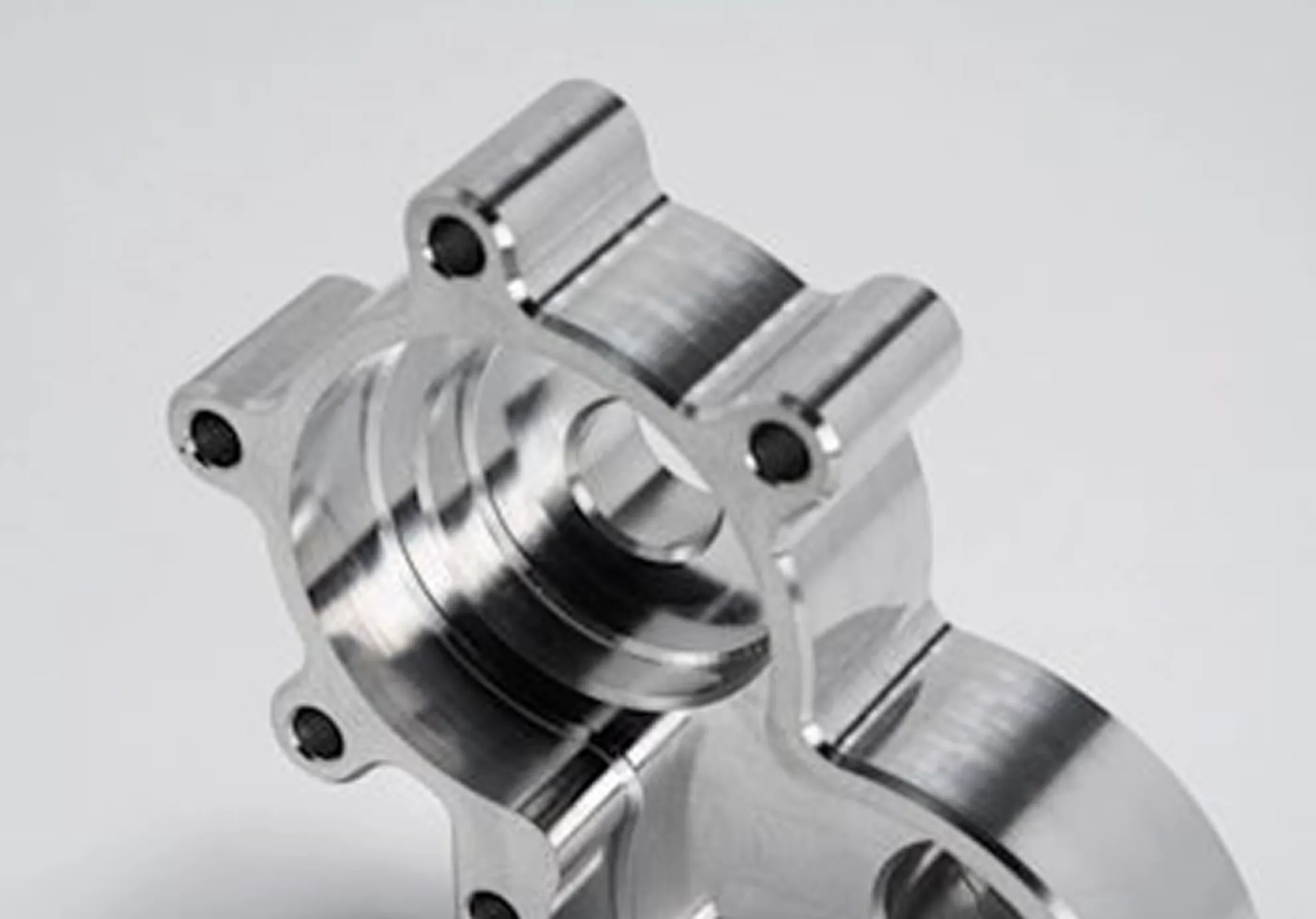
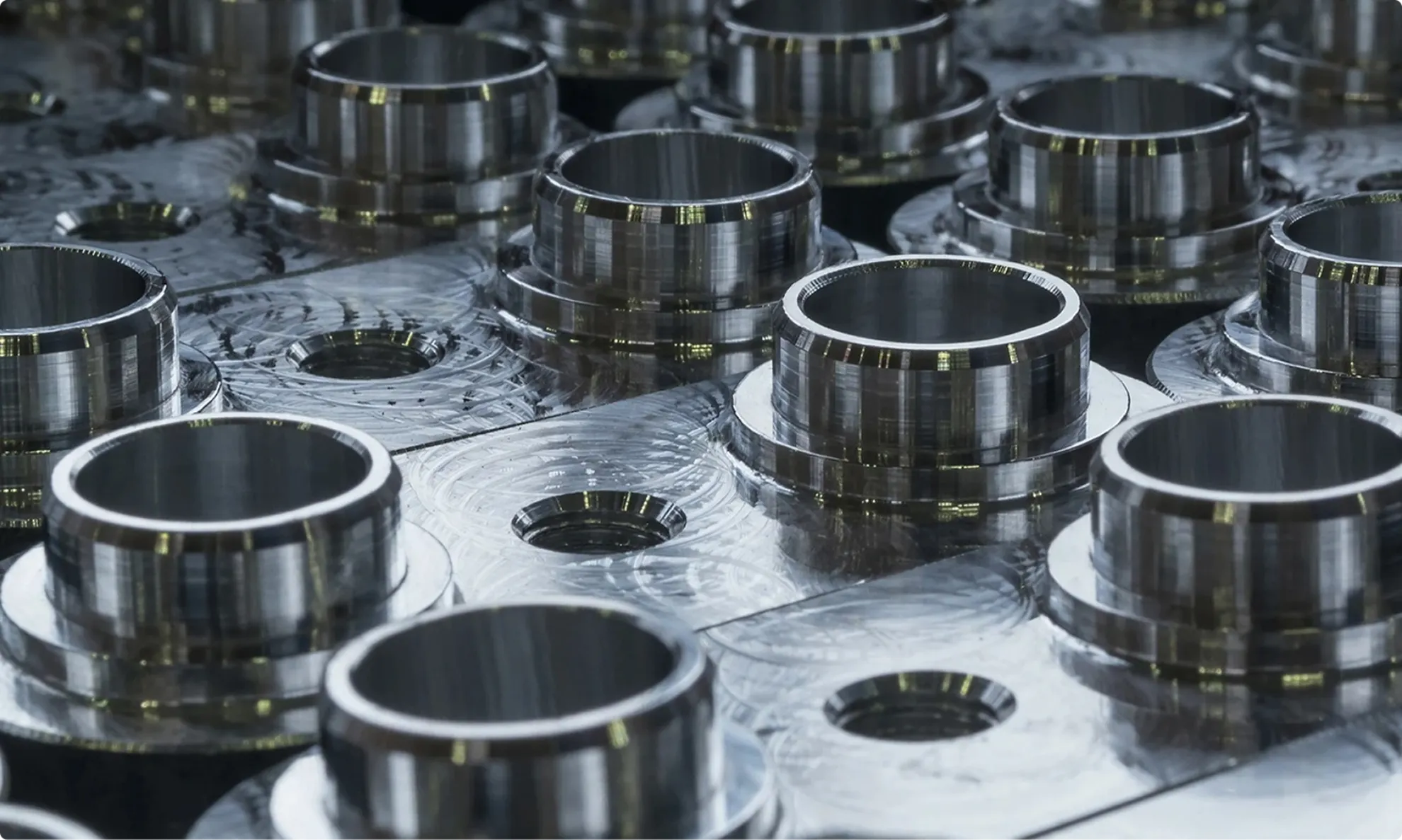
CNC machining is highly valued for its precision and repeatability. It consistently produces parts with tight tolerances, which is crucial for industries like aerospace, automotive, and medical where accuracy cannot be compromised. Automation minimizes human error, leading to higher quality output and more reliable production cycles. Efficiency is another advantage, CNC machines can operate continuously, producing parts at faster speeds compared to manual processes. The technology is also flexible, capable of machining metals, plastics, and composites, making it suitable for a wide range of applications. Software integration allows for quick design modifications and rapid prototyping, helping businesses move from idea to product faster. Finally, while setup costs can be high, CNC machining becomes cost-effective for medium and large production runs because the per-unit cost decreases significantly at scale.
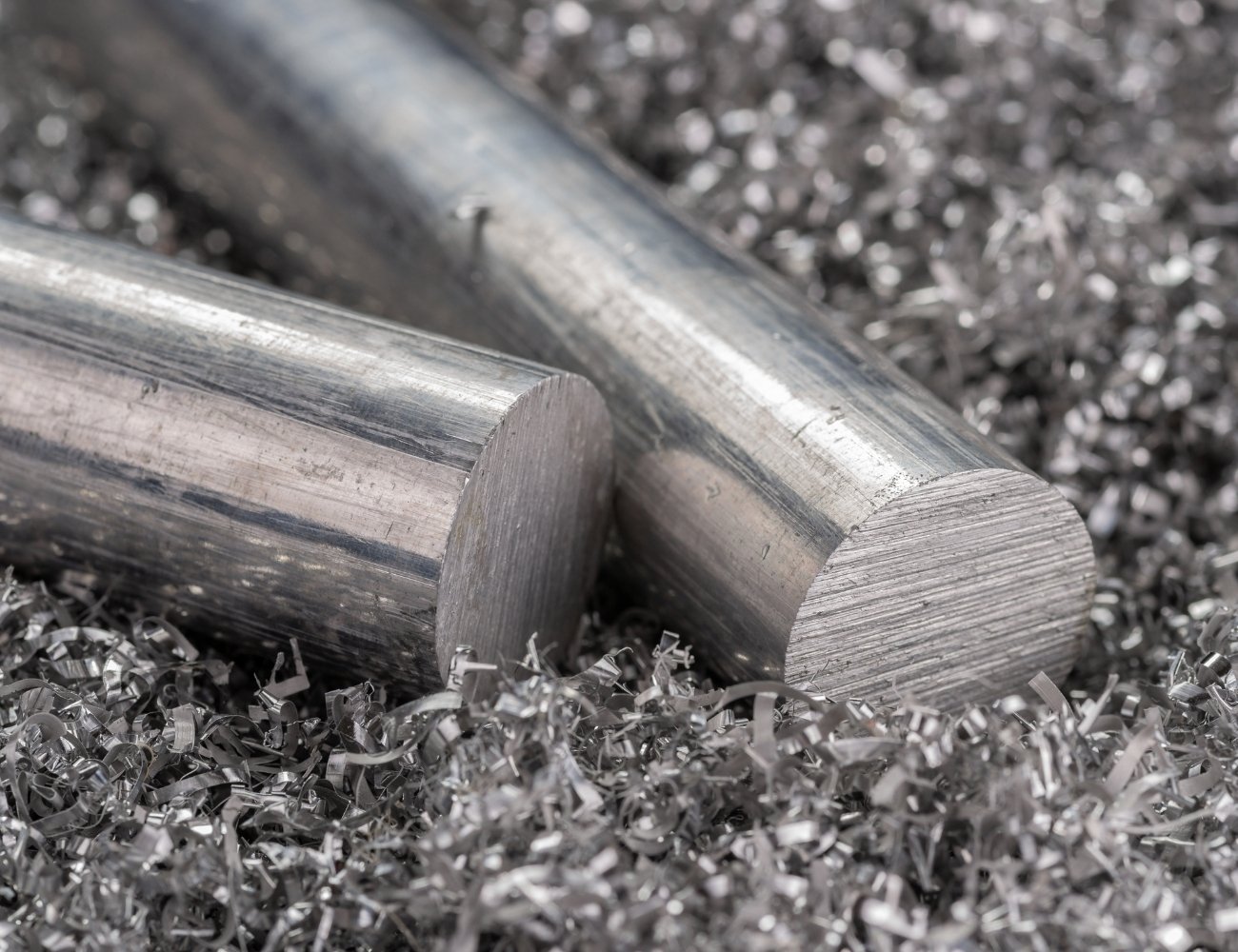
Despite its benefits, CNC machining has challenges. The initial investment in machines, software, and maintenance can be costly, especially for smaller businesses. Skilled operators and programmers are required to run the systems effectively, which may add to training or labor expenses. For very small production runs, CNC machining may not be cost-efficient due to the programming and setup time involved. Additionally, CNC is a subtractive process, which means more material waste compared to additive methods like 3D printing. Extremely hard materials can also increase tool wear, leading to higher replacement and maintenance costs. While these limitations exist, they are often outweighed by the quality, speed, and scalability that CNC machining delivers.